30 Minimalist Living Room Ideas for a Simple, Clean & Calm Home
Minimalist living rooms focus on simplicity, balance, and intentional design that feels calm rather than cold. By choosing clean lines, neutral colors, and thoughtful decor, you can create a space that feels open, peaceful, and effortlessly stylish. Whether you live in a small apartment or a spacious home, these minimalist living room ideas by The Interior Bloom will help you design a clutter-free environment that supports comfort and everyday living.
1. Stick to a Neutral Color Palette
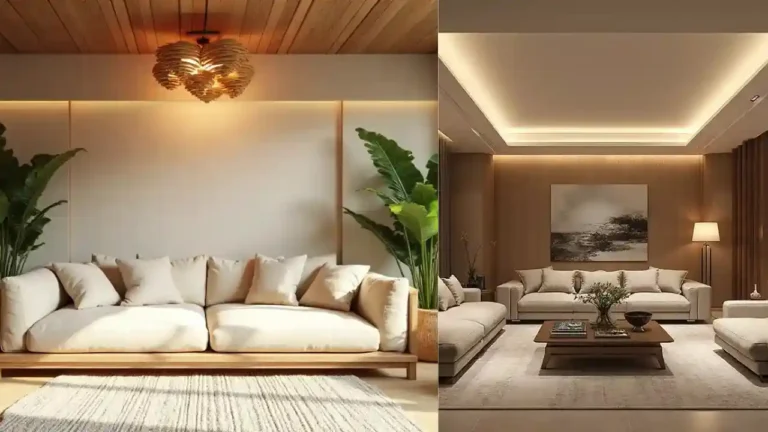
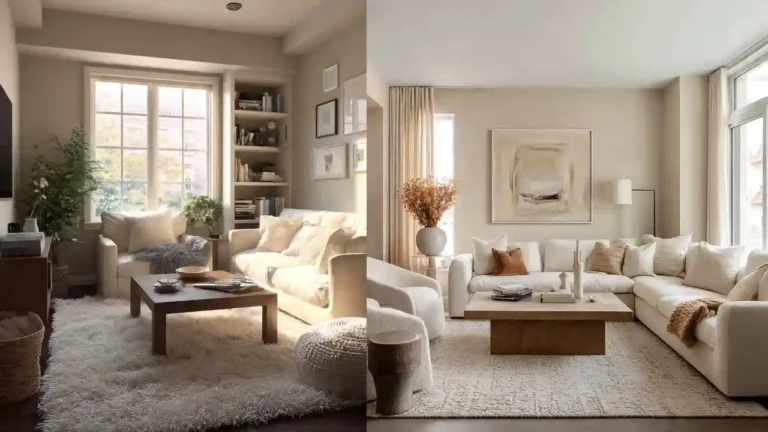
Neutral shades like white, beige, and soft gray create a calm foundation for minimalist living rooms. These tones reflect light beautifully and make spaces feel open. Layering similar shades adds warmth without visual clutter.
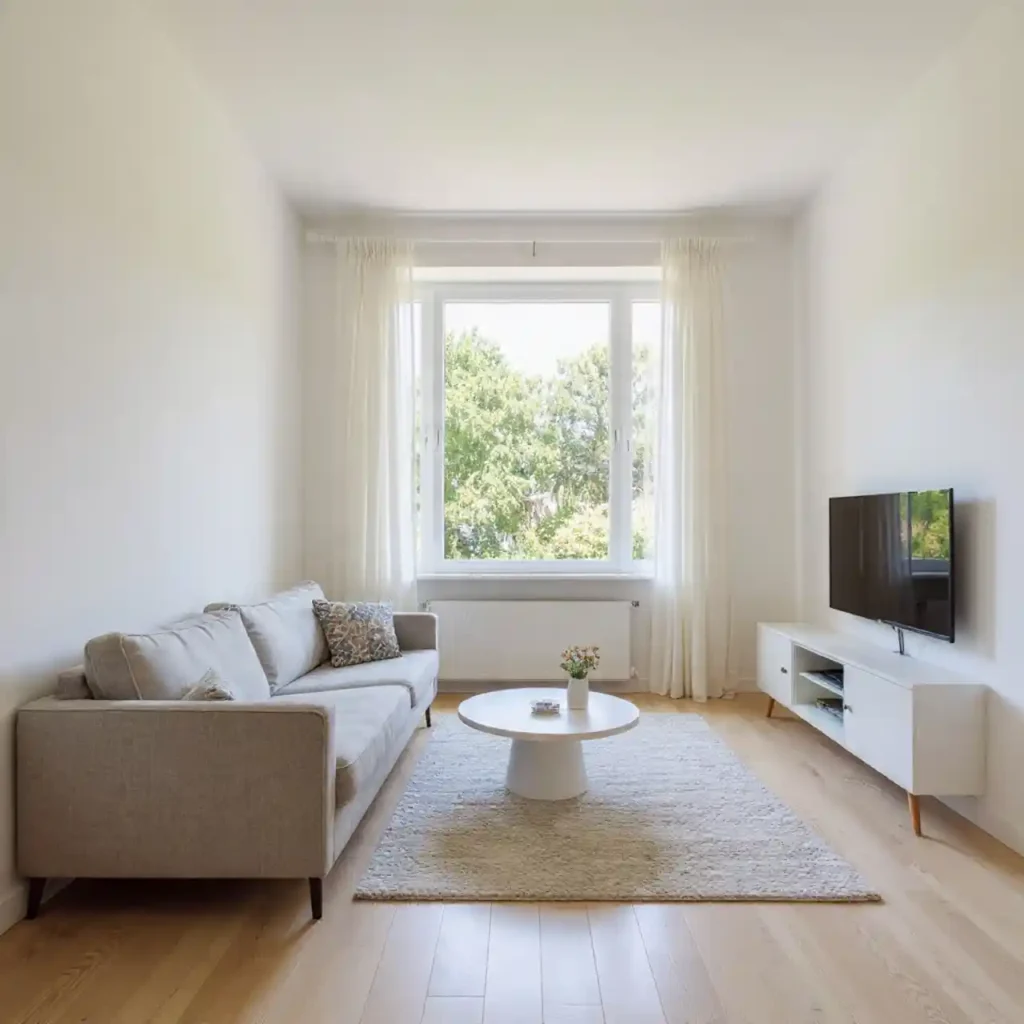
2. Choose Clean-Lined Furniture
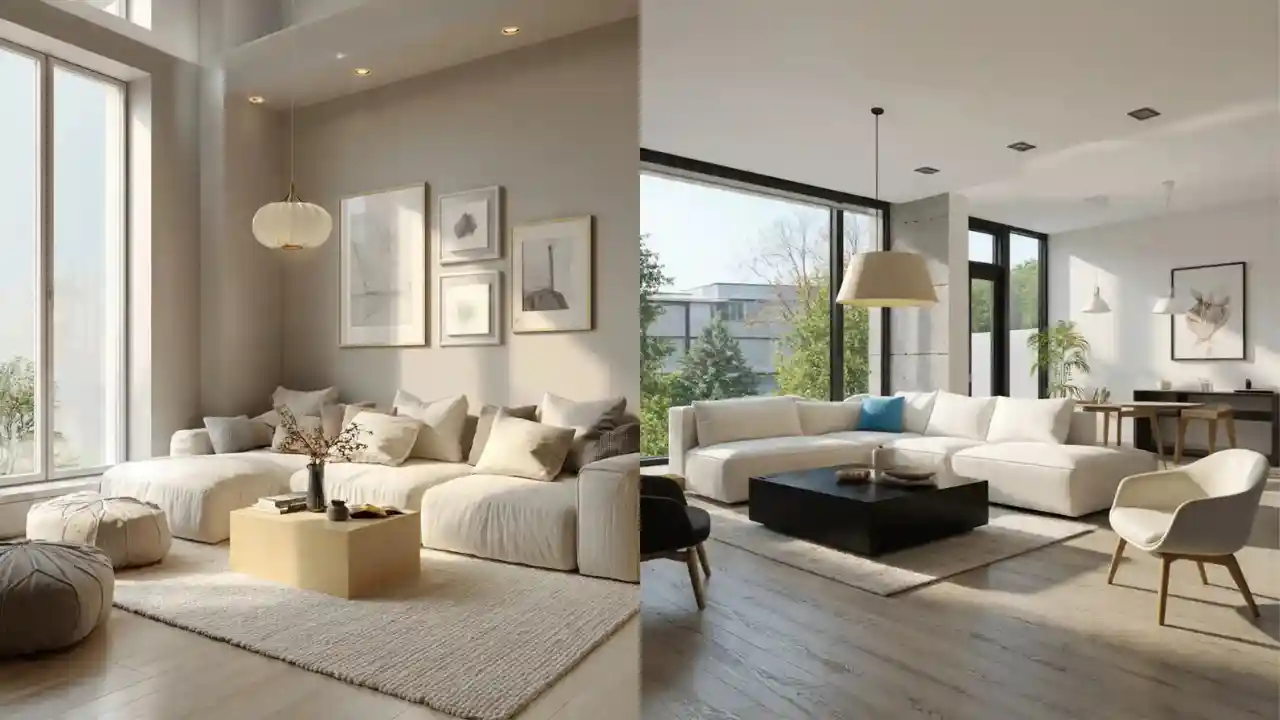
Furniture with simple silhouettes keeps the room visually light. Avoid ornate details and focus on sleek shapes that feel intentional. This approach enhances the minimalist aesthetic while maintaining comfort.
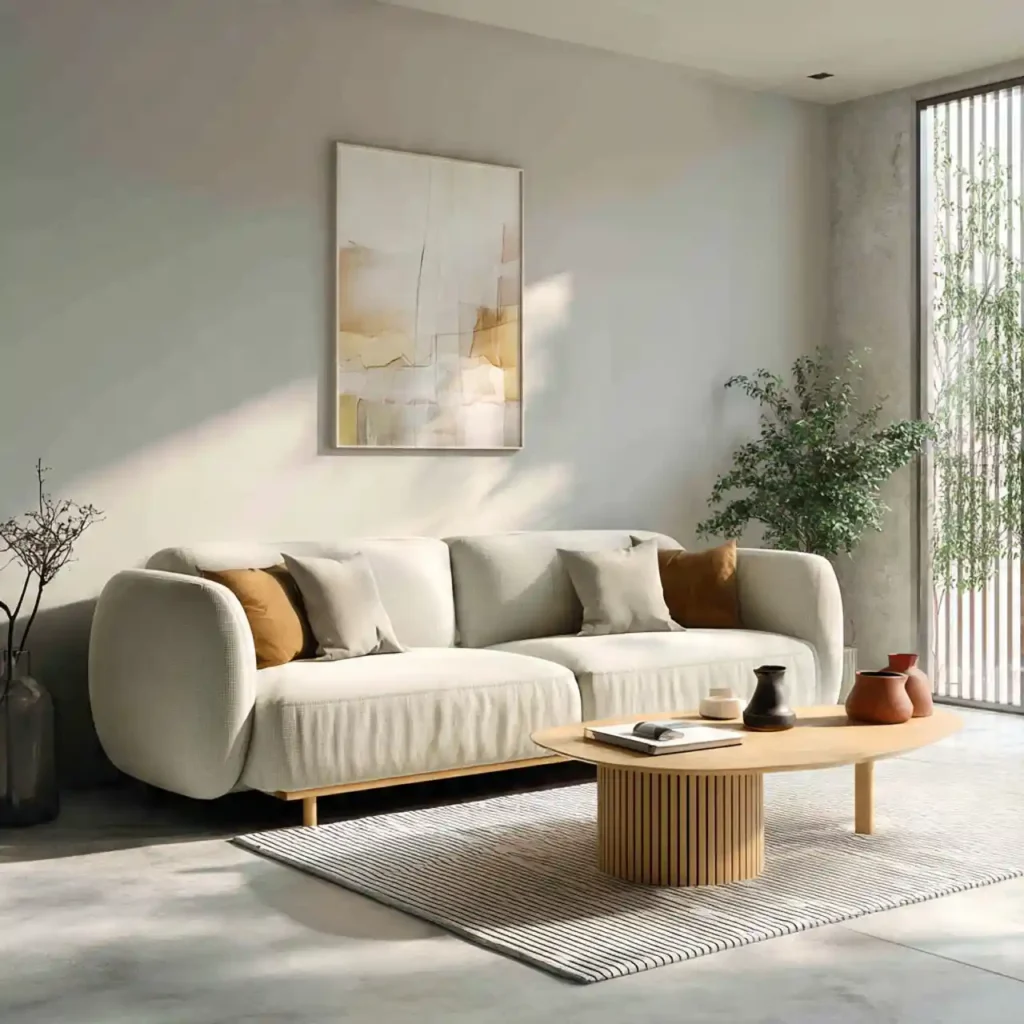
3. Keep Décor Intentional
Minimalism is not about empty spaces, but about meaningful choices. Select a few decorative pieces that add value and purpose. This keeps the room balanced and calm.
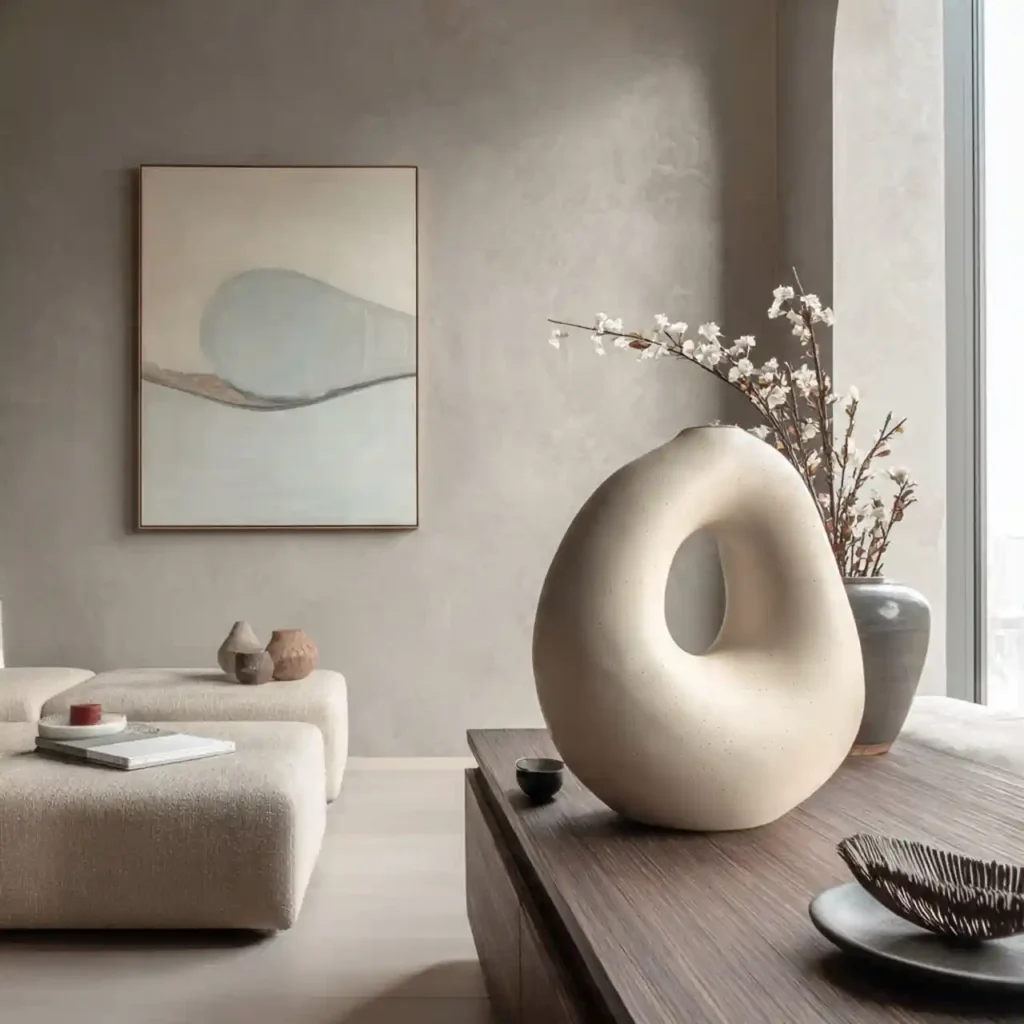
4. Use Natural Light as a Feature
Maximize windows and avoid heavy window treatments. Natural light enhances openness and creates a serene environment. Sheer curtains help soften the light while keeping the space bright.
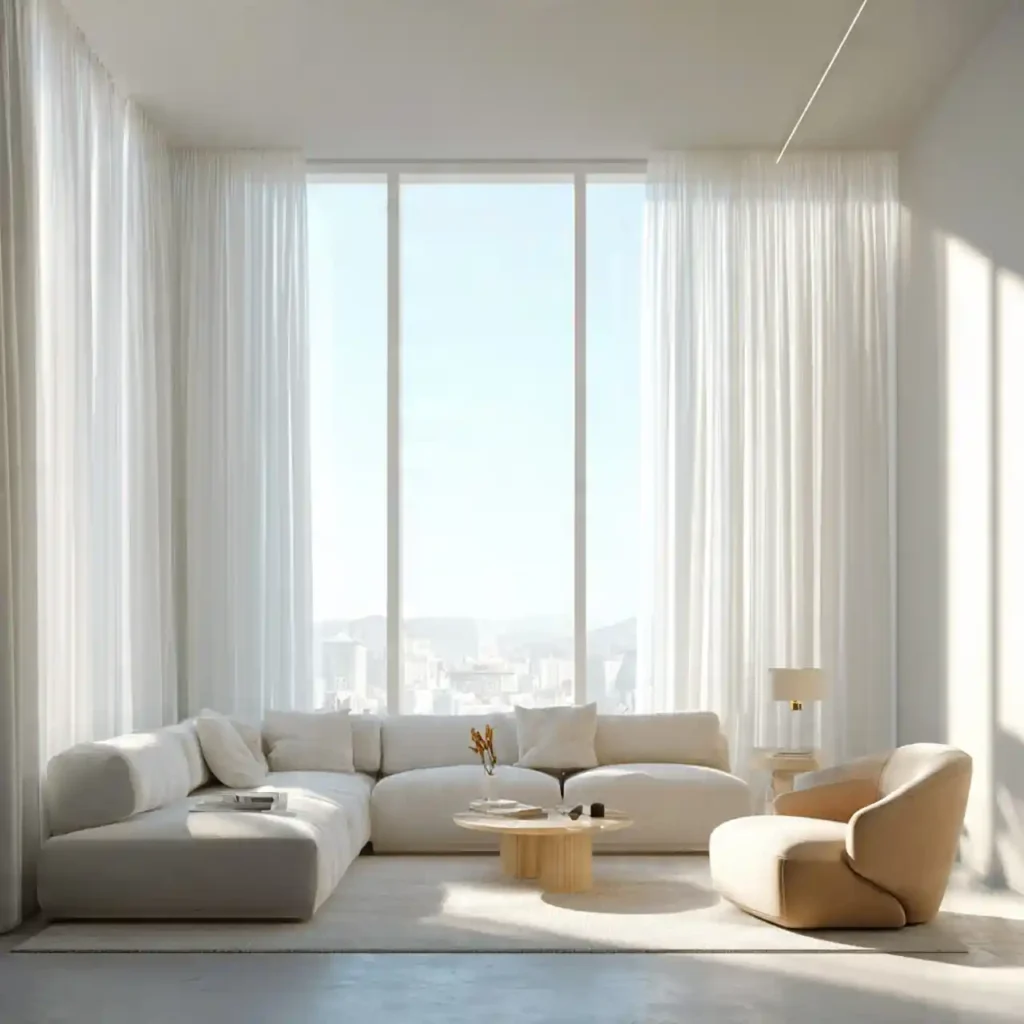
5. Add Texture Instead of Color
When color is minimal, texture becomes essential. Use linen, wool, wood, or stone to create depth. This keeps the space from feeling flat or sterile.
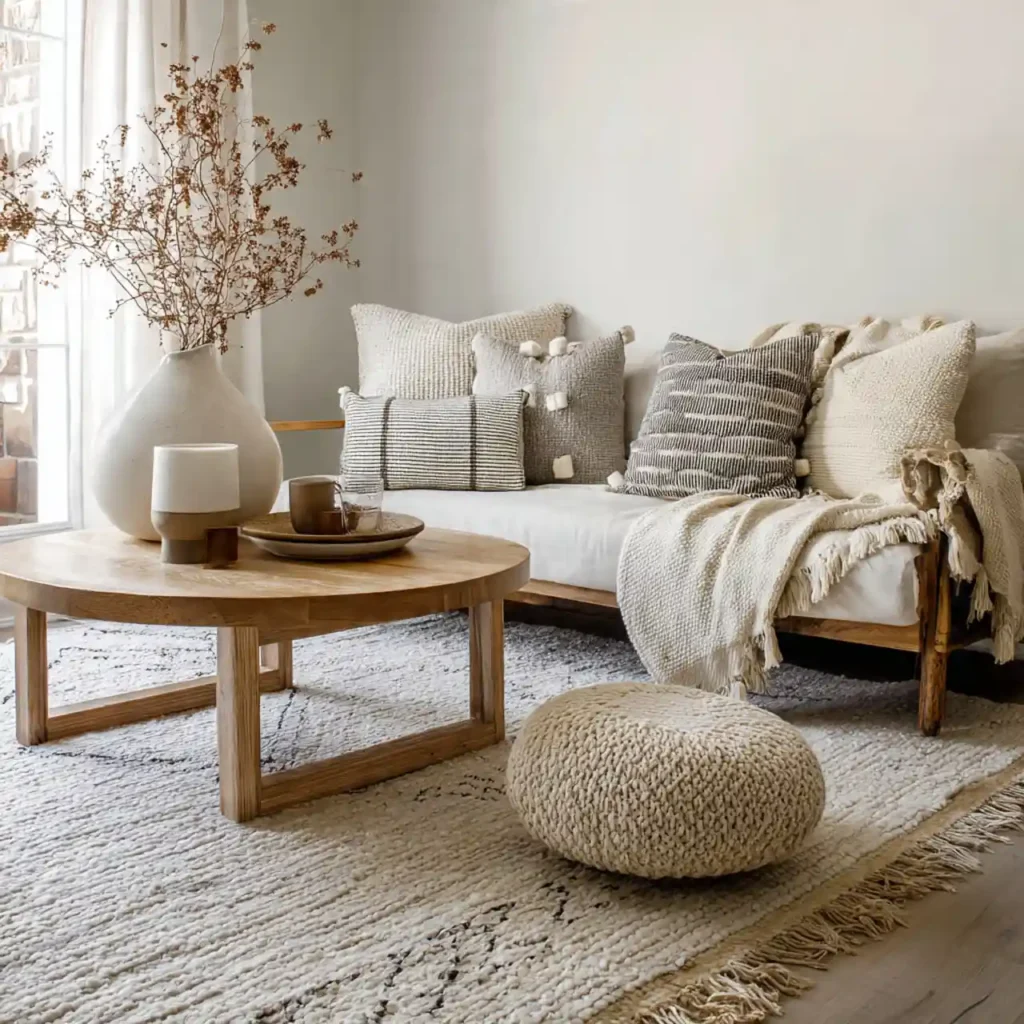
6. Opt for Low-Profile Seating
Low seating makes the room feel grounded and spacious. It enhances the relaxed, modern feel of minimalist design. Choose pieces that feel comfortable yet visually light.
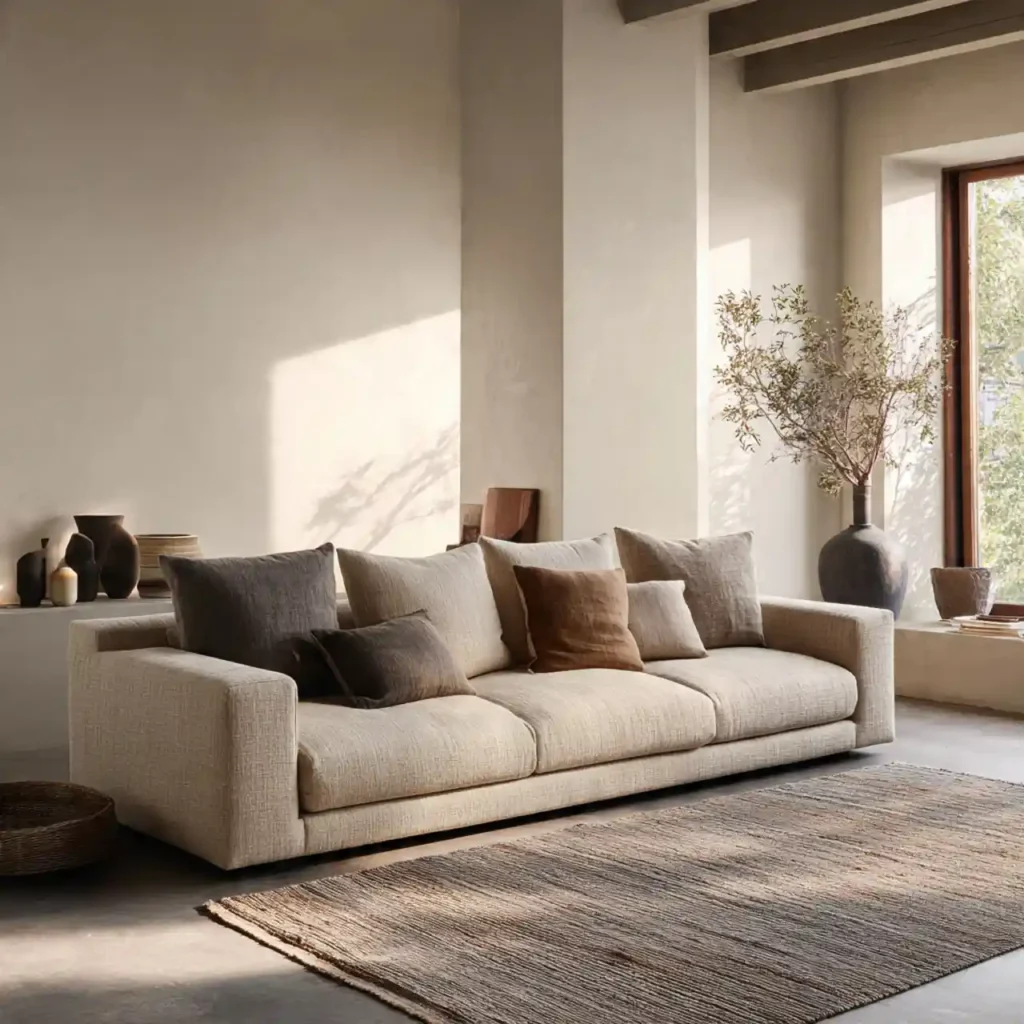
7. Choose a Simple Coffee Table
A clean, uncluttered coffee table supports the minimalist layout. Opt for wood, stone, or matte finishes. Keep styling minimal with one or two objects.
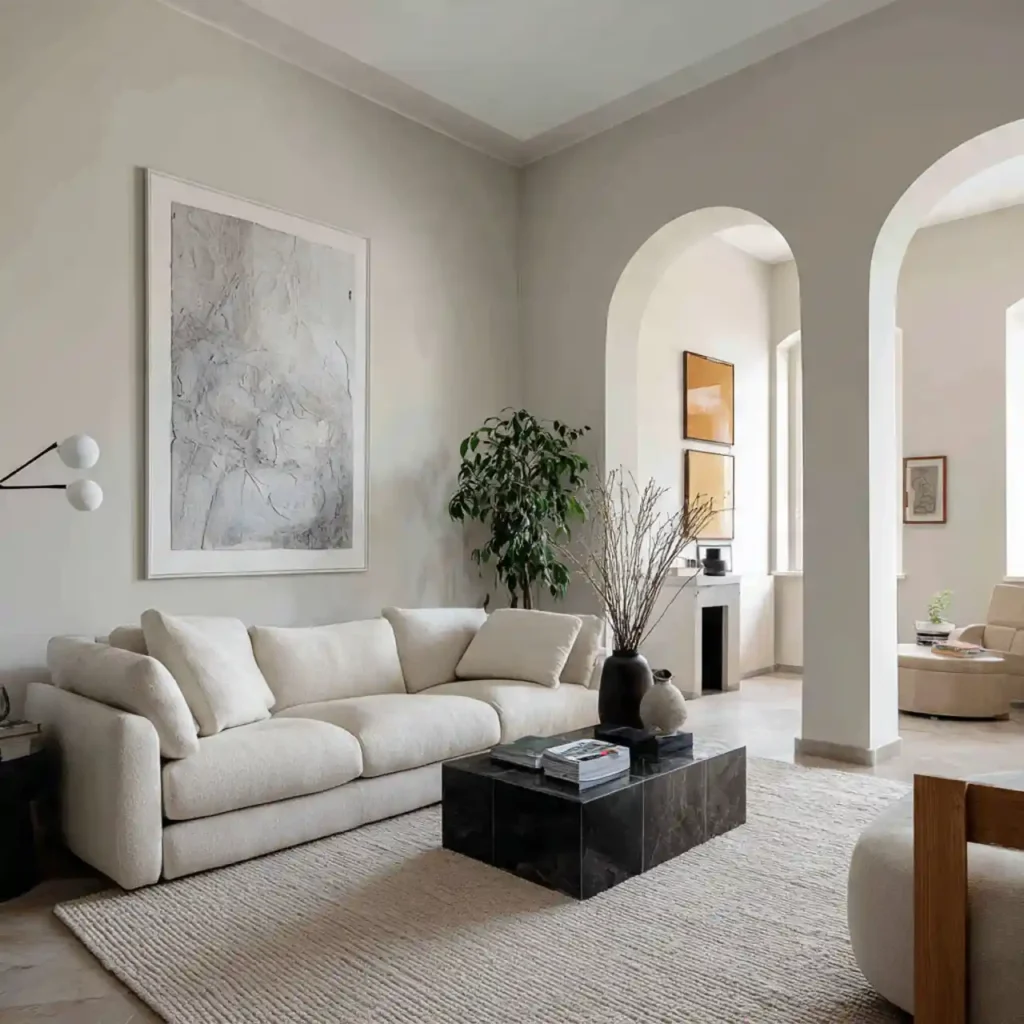
8. Keep Walls Mostly Bare
Open walls enhance the feeling of calm and spaciousness. If you add art, choose one large piece rather than multiple small ones. This creates focus without clutter.
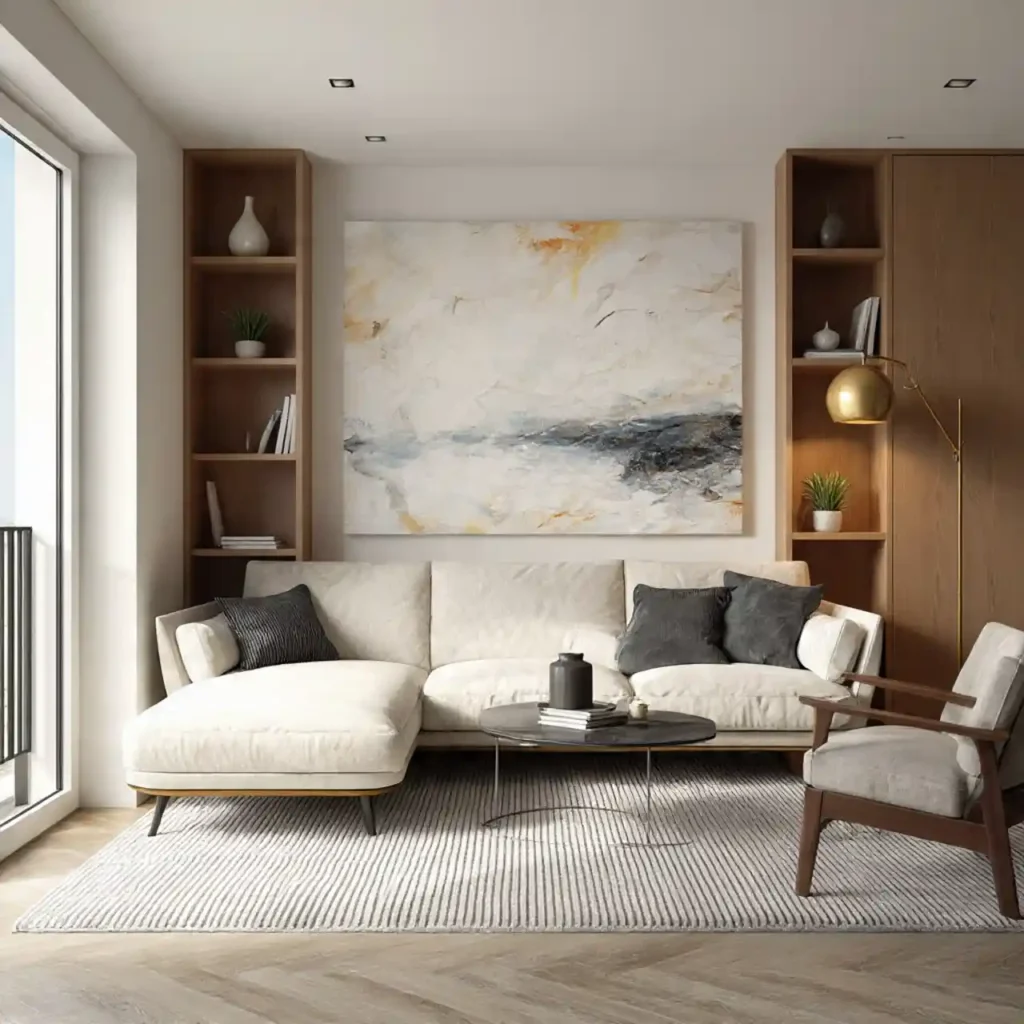
9. Use Built-In Storage
Hidden storage helps maintain a clutter-free environment. Built-ins keep everyday items out of sight while preserving clean lines. This is ideal for minimalist living rooms.
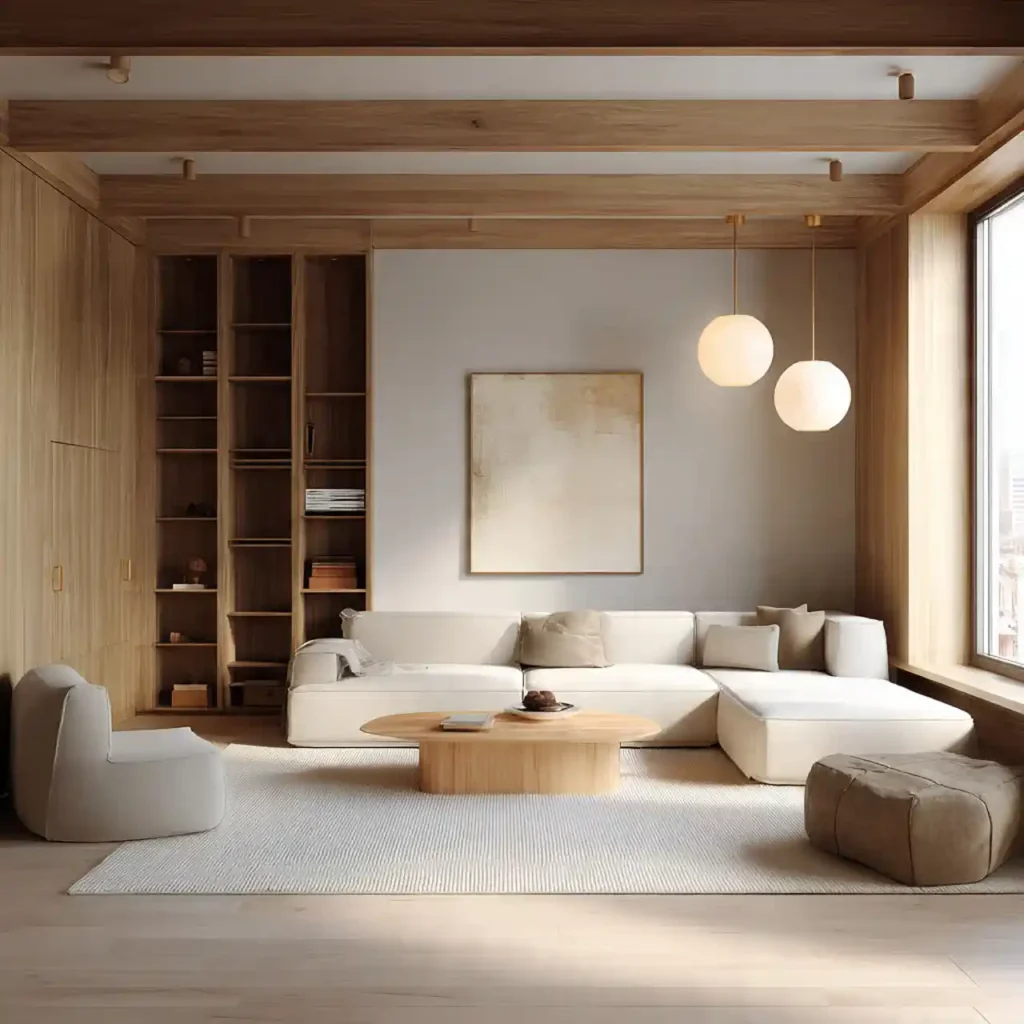
10. Incorporate Natural Wood Accents
Wood adds warmth and balance to minimalist interiors. Light or medium wood tones work best for calm, modern spaces. Keep finishes natural and simple.
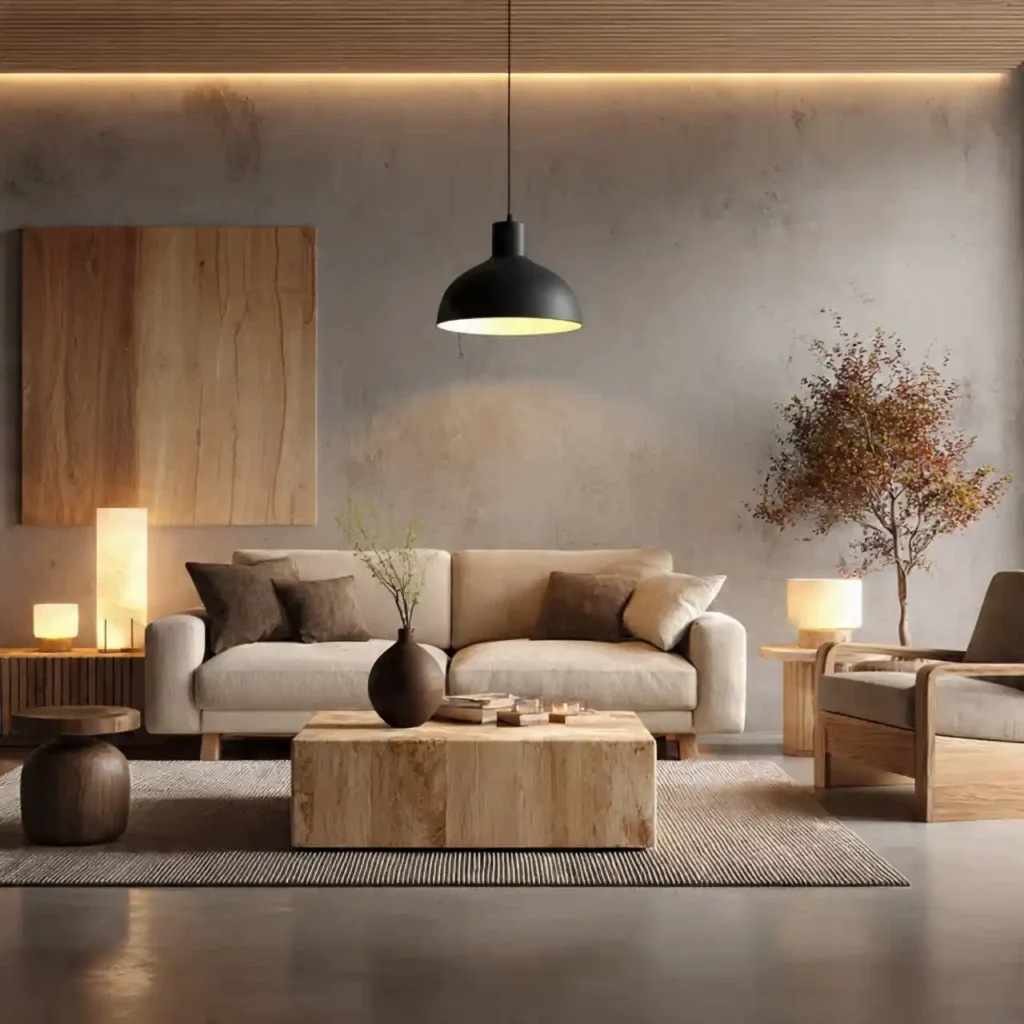
11. Limit Color to One Accent
If you add color, keep it subtle and intentional. A single muted accent like sage, clay, or soft blue adds personality. This maintains the minimalist feel.
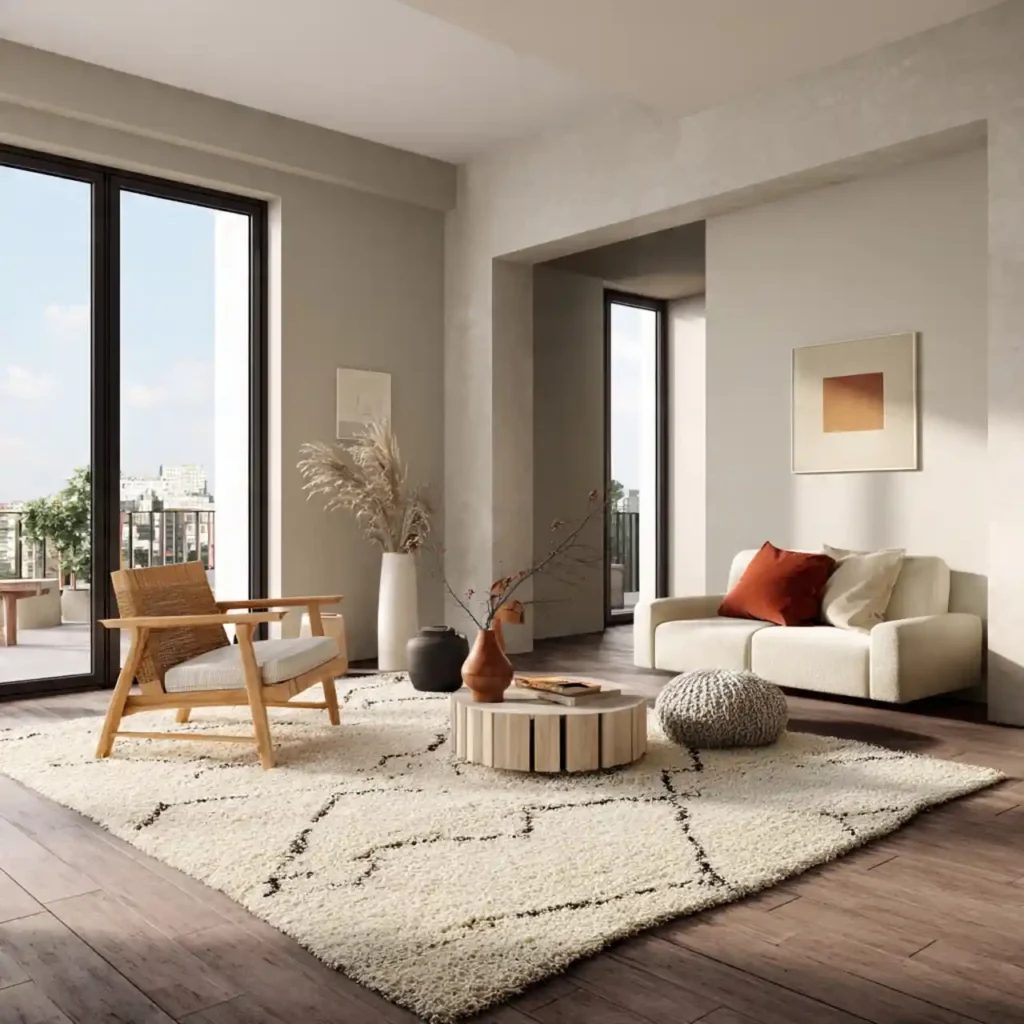
12. Choose Simple Lighting Fixtures
Minimalist lighting focuses on form and function. Opt for clean pendant lights or sleek floor lamps. Soft lighting enhances the calming atmosphere.
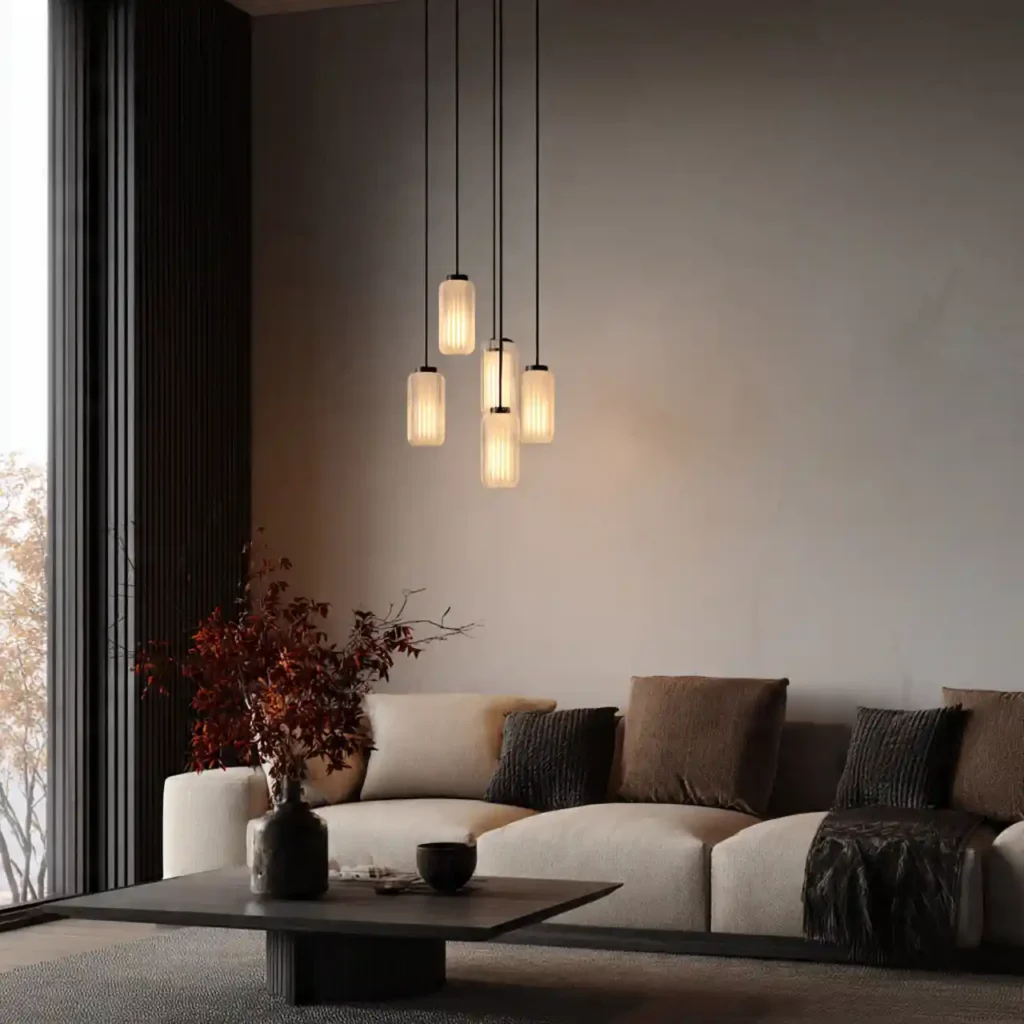
13. Add a Soft Area Rug
A neutral rug anchors the seating area while adding comfort. Choose simple patterns or solid textures. This defines space without visual noise.
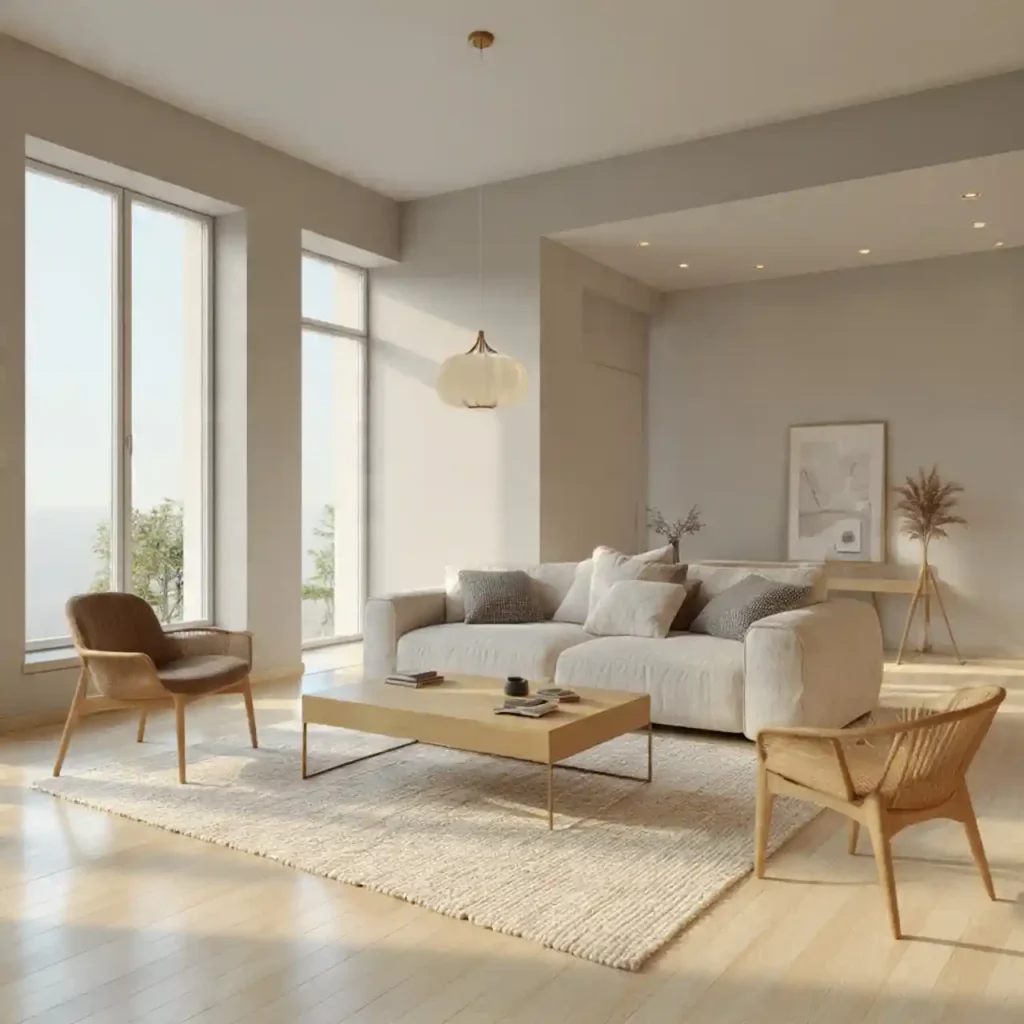
14. Keep Furniture Spacing Open
Avoid crowding furniture together. Allow breathing room between pieces. This improves flow and reinforces a clean, minimalist layout.
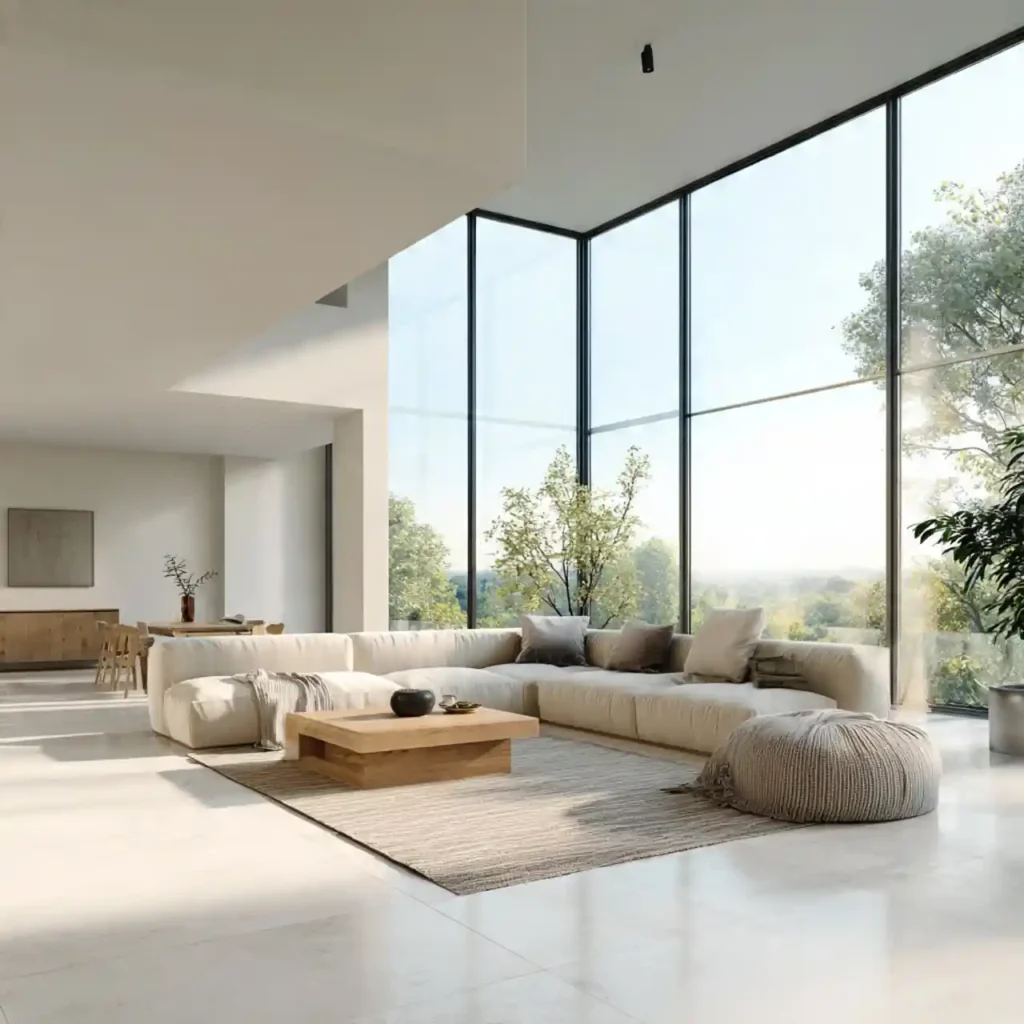
15. Use Minimal Window Treatments
Simple blinds or sheer curtains keep windows light and unobtrusive. This supports natural brightness and uncluttered design.
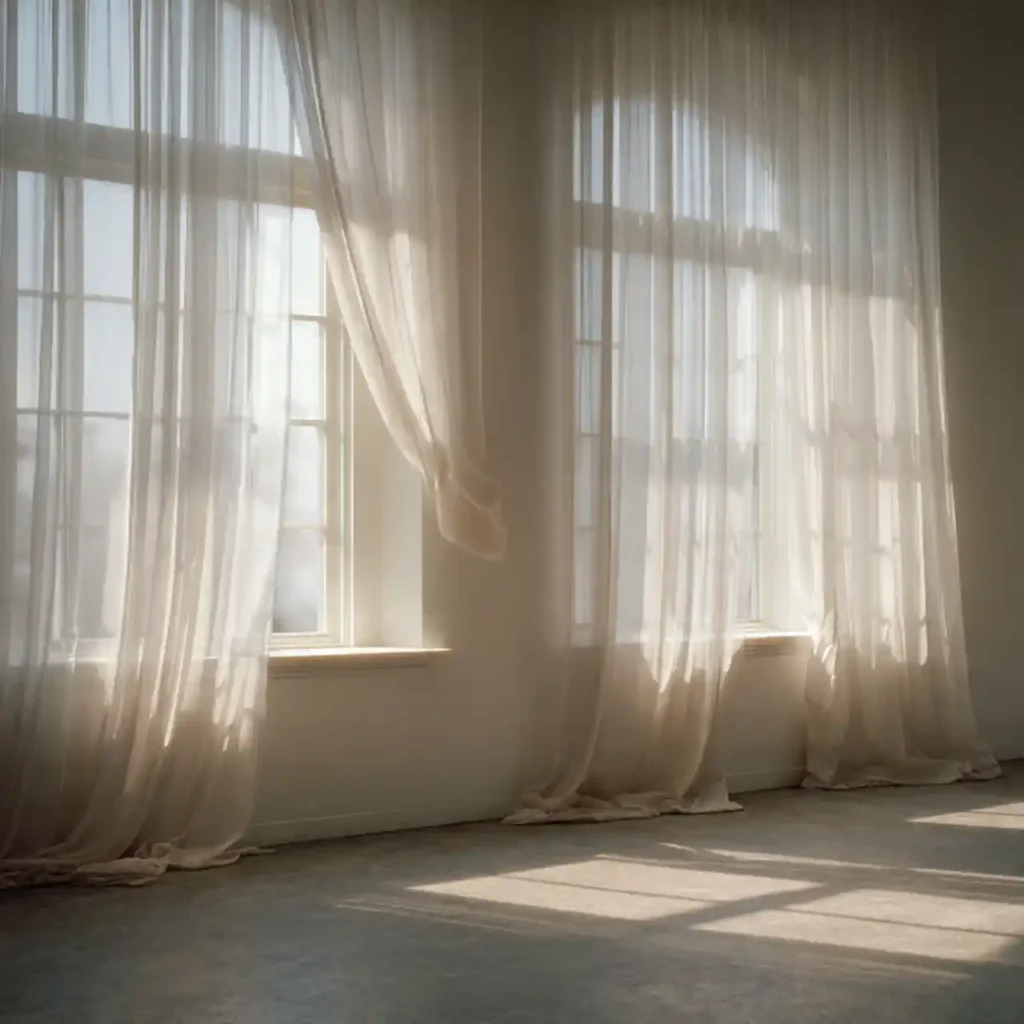
16. Add Greenery Sparingly
One or two plants bring life into minimalist spaces. Choose simple planters and natural greenery. Avoid over-decorating.
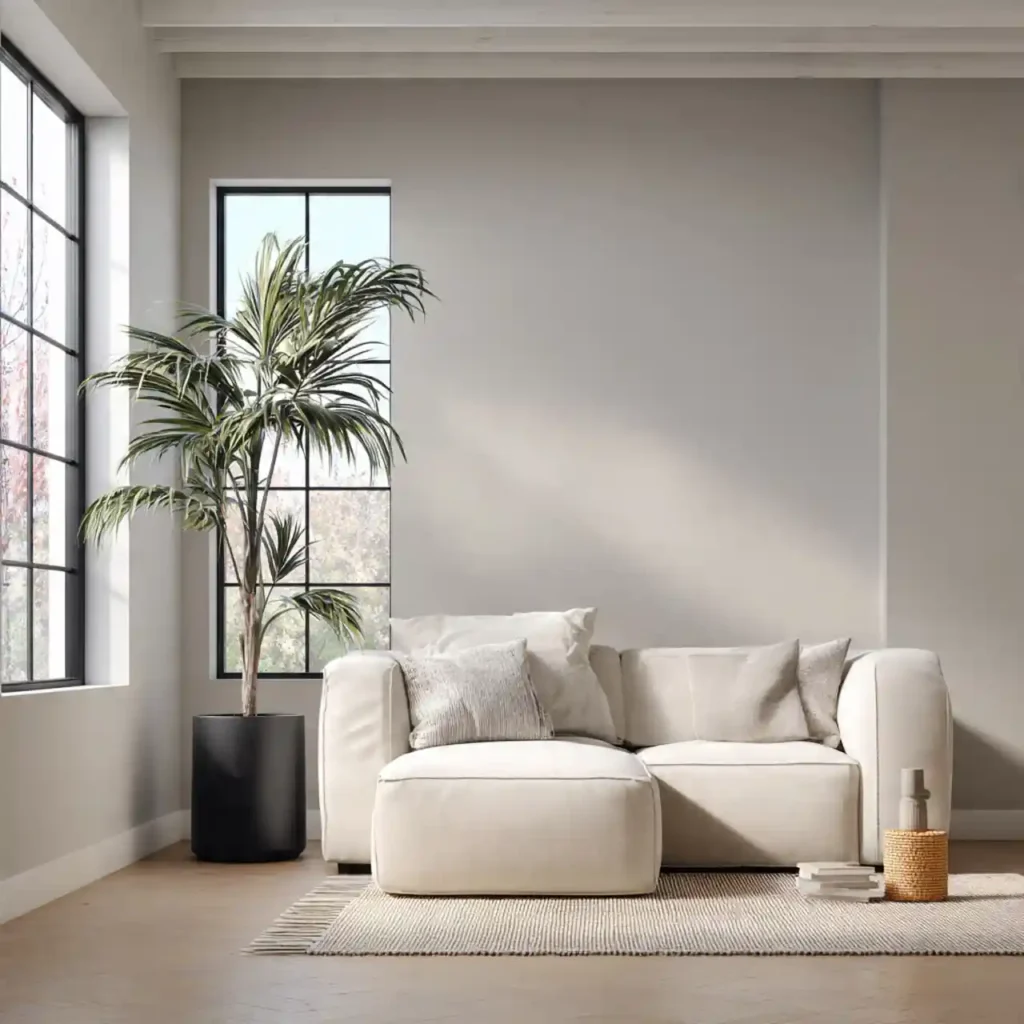
17. Choose a Calm Color Temperature
Warm whites and soft neutrals create a welcoming feel. Avoid harsh or overly cool tones. Balance is key for a calm home.
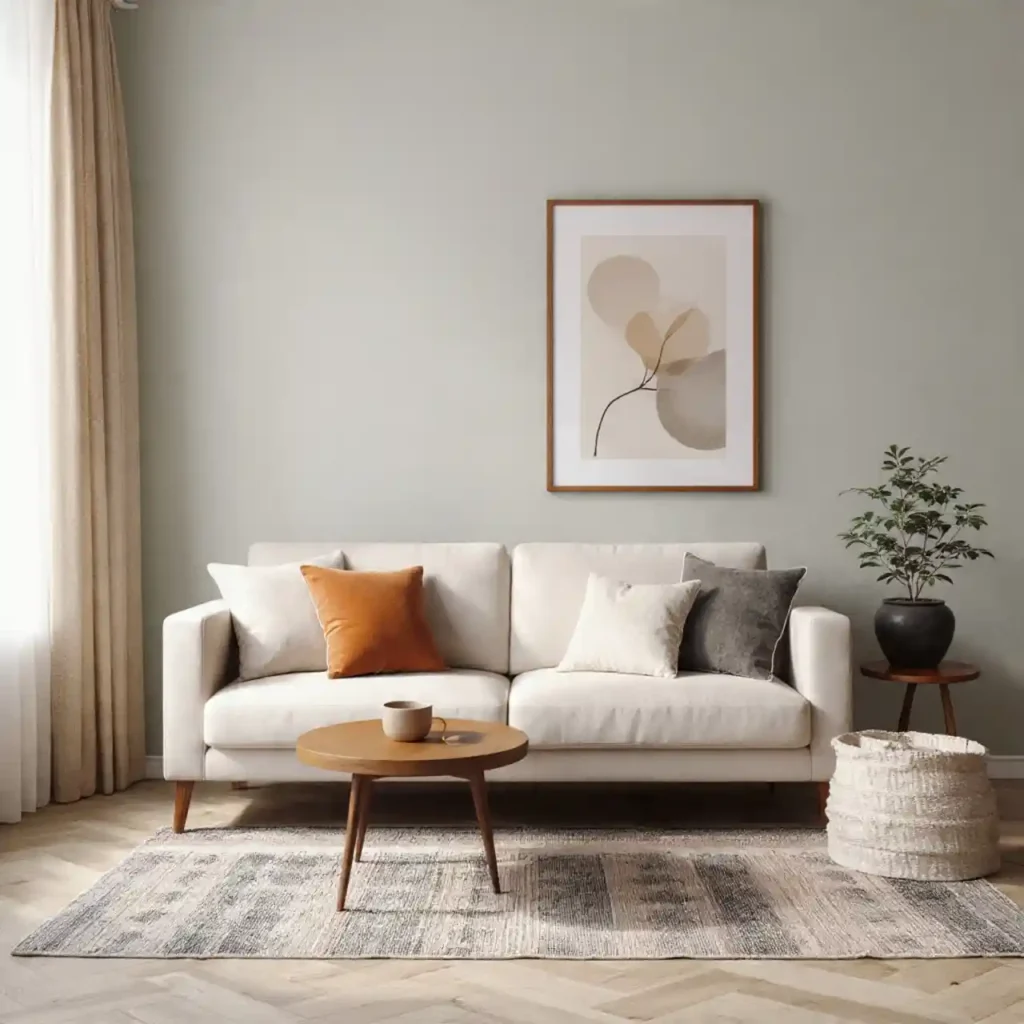
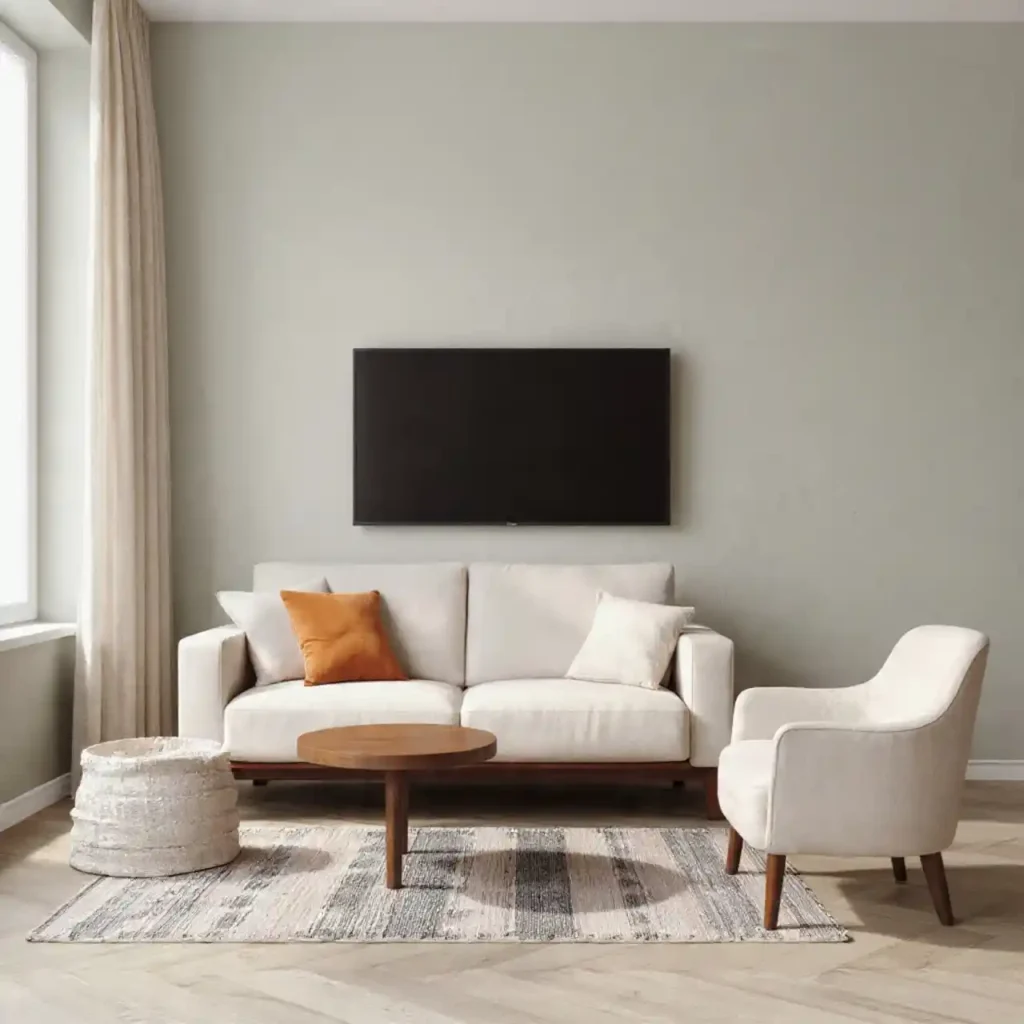
18. Keep Technology Subtle
Hide wires and choose sleek electronics. Minimalism works best when technology blends into the space. This keeps focus on calm design.
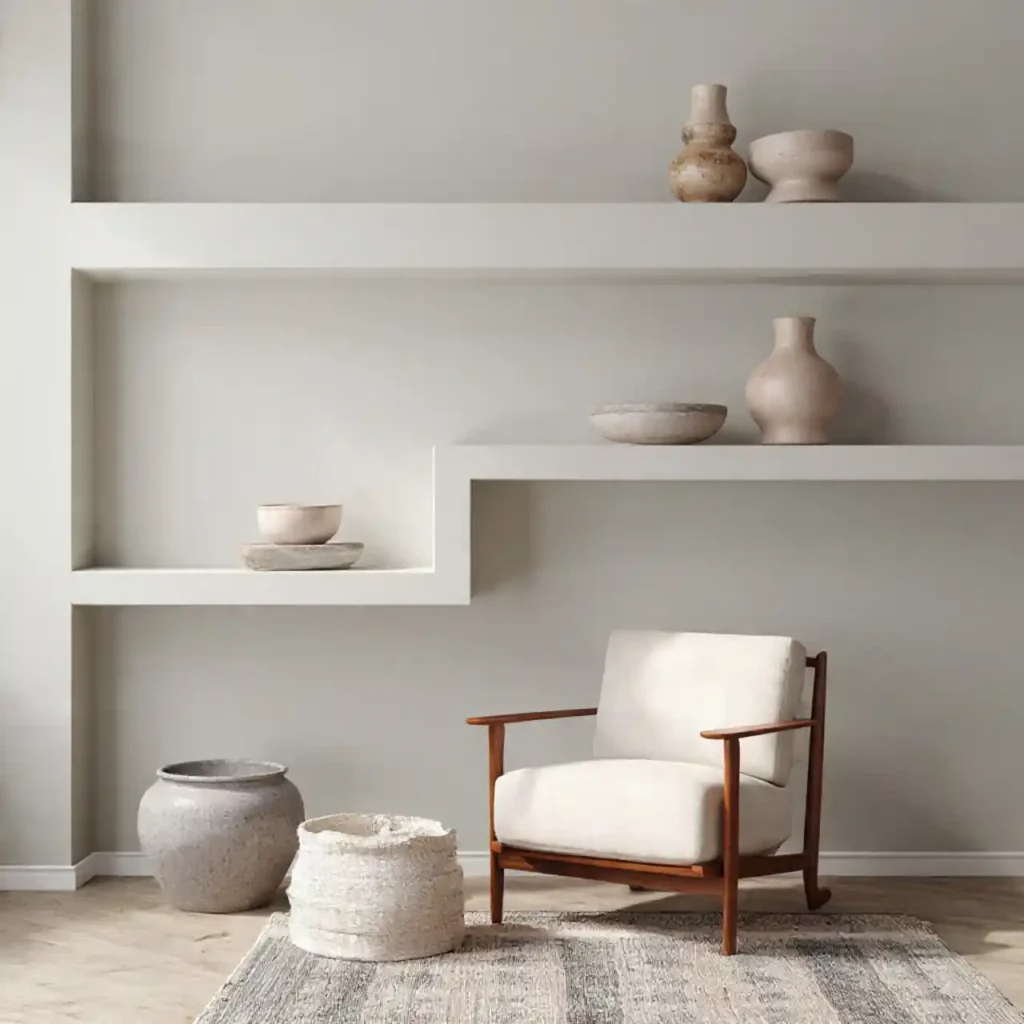
19. Use Simple Shelving
Open shelves should feel light and uncluttered. Style them with intention using limited décor. Negative space is essential.
20. Avoid Busy Patterns
Stick to solids or subtle textures. Busy patterns can overwhelm a minimalist living room. Keep visuals calm and cohesive.
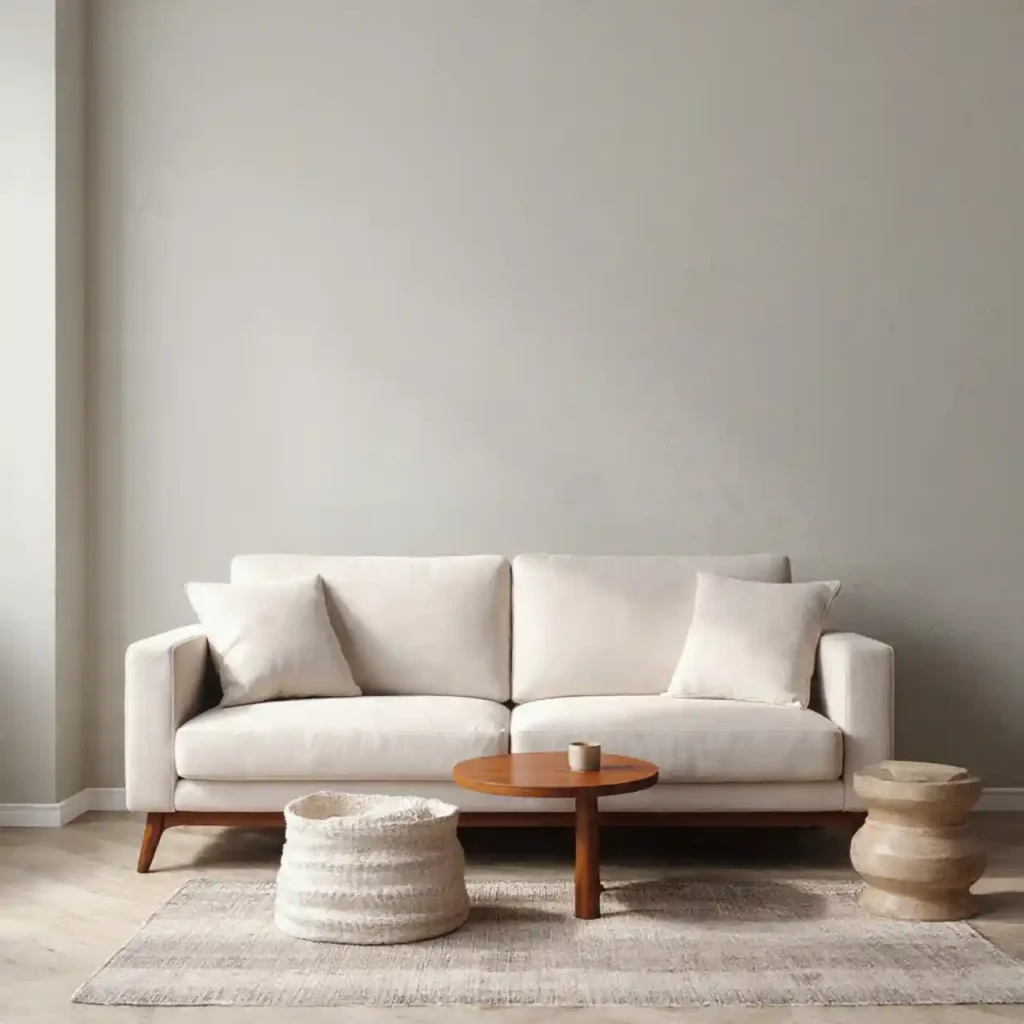
21. Choose Comfortable Simplicity
Minimalist does not mean uncomfortable. Choose sofas and chairs that feel cozy while maintaining clean design.
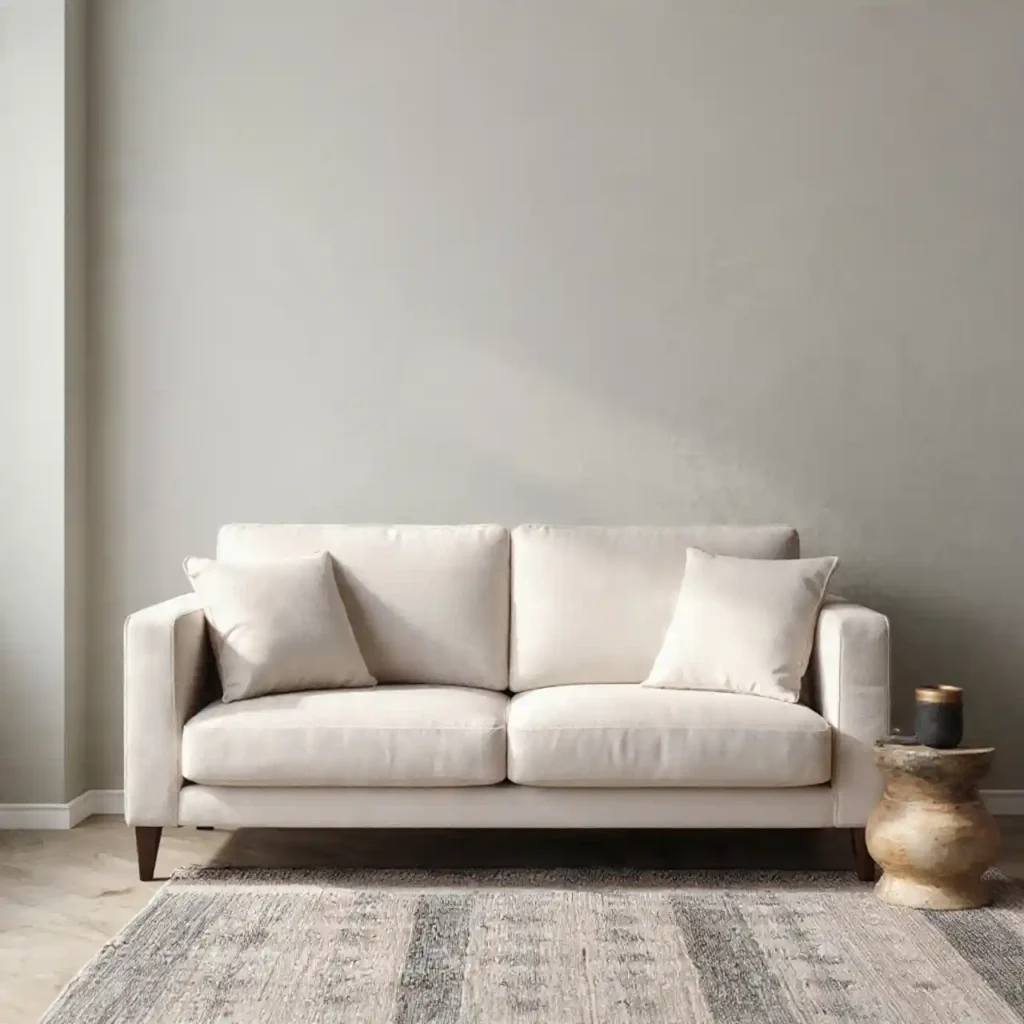
22. Create Visual Balance
Balance furniture sizes and shapes evenly. This creates harmony and prevents visual tension. Symmetry works well in minimalist spaces.
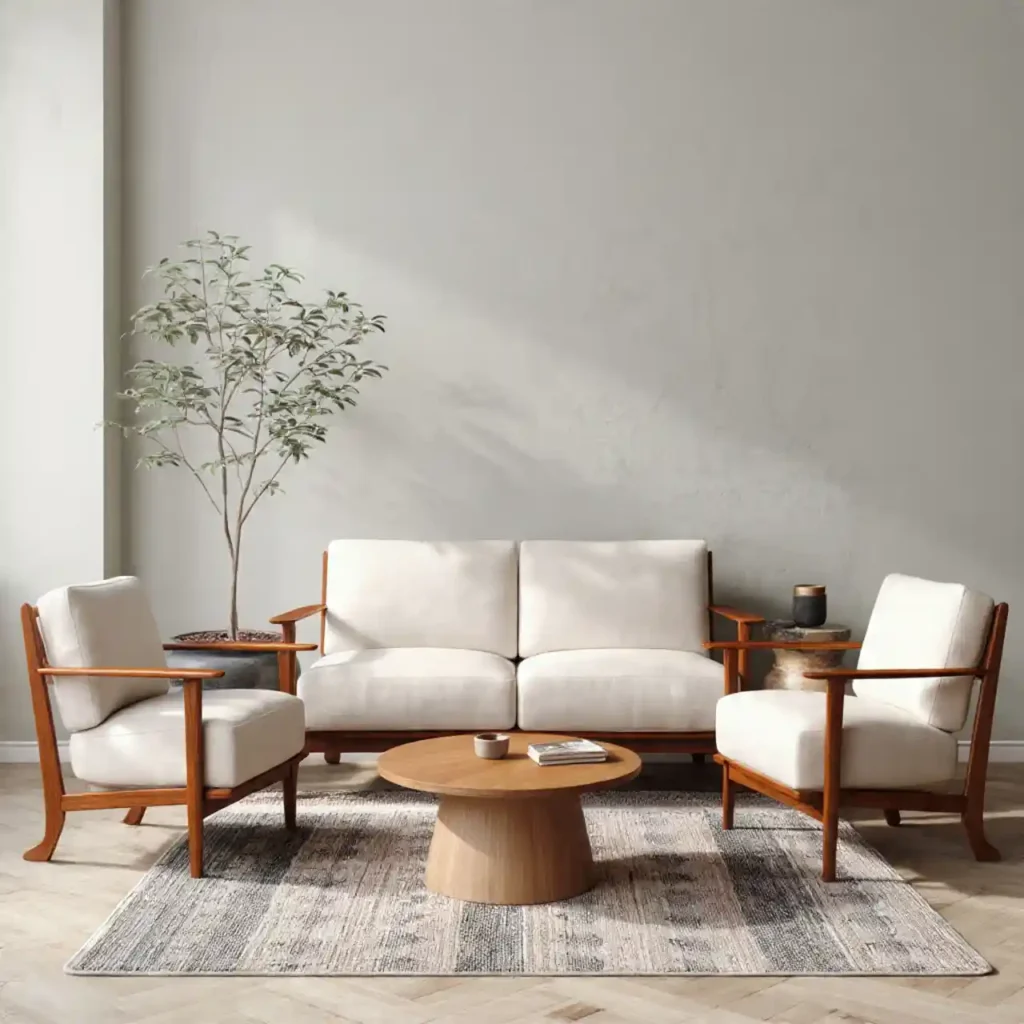
23. Keep Floors Clear
Open floors enhance spaciousness. Avoid unnecessary furniture or décor. Clean floors visually expand the room.
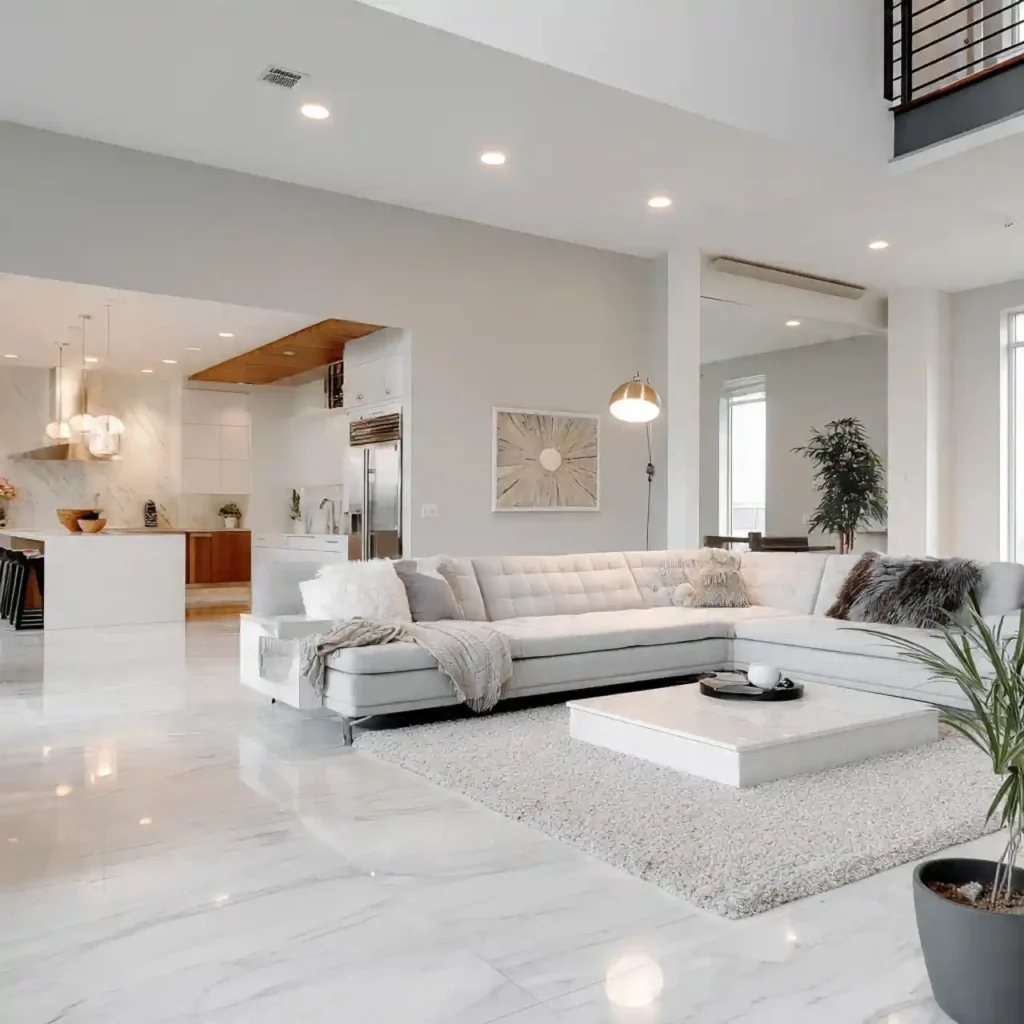
24. Use Matte Finishes
Matte finishes feel softer and more calming than glossy surfaces. They reduce visual noise and reflect minimal light.
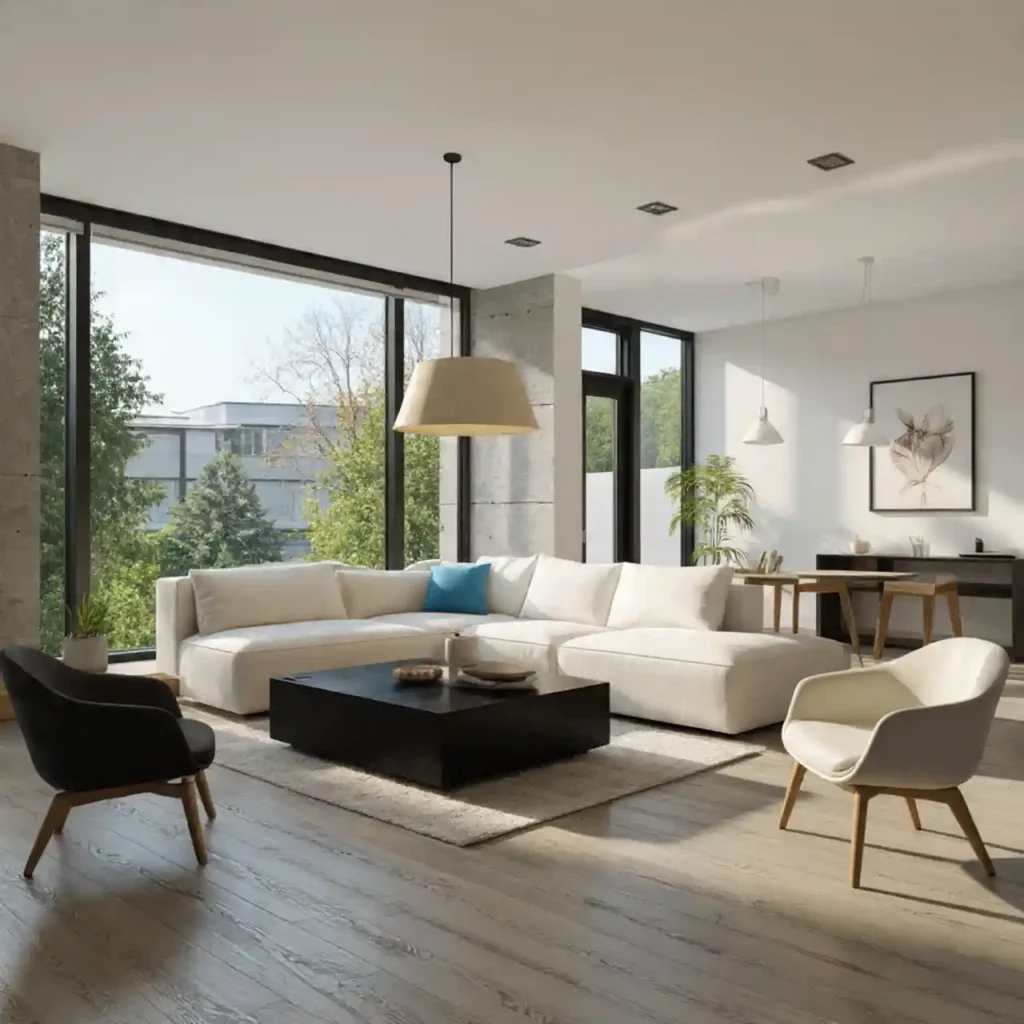
25. Let One Piece Stand Out
Choose one focal item like a sofa, artwork, or light fixture. Keep everything else supportive and subtle.
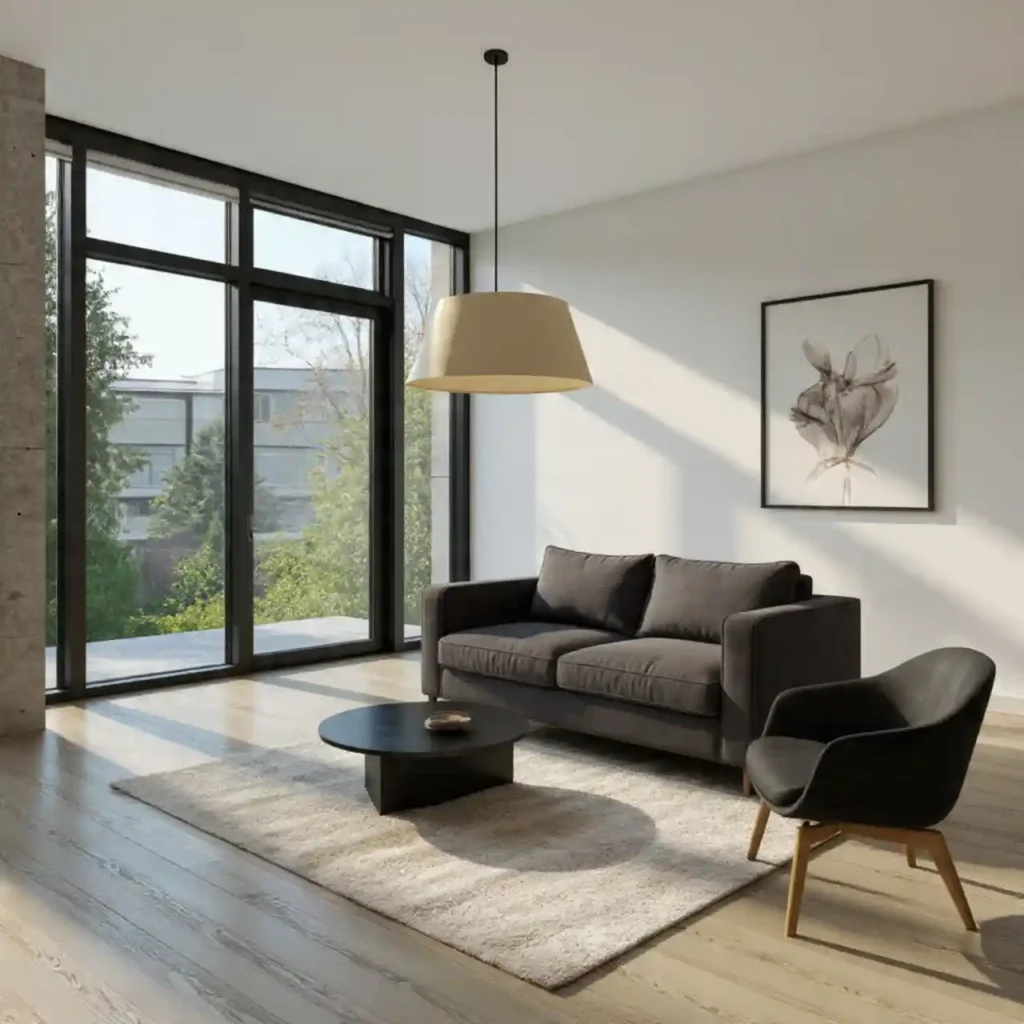
26. Avoid Over-Styling
Less truly is more in minimalist design. Leave some surfaces empty. This enhances clarity and calmness.
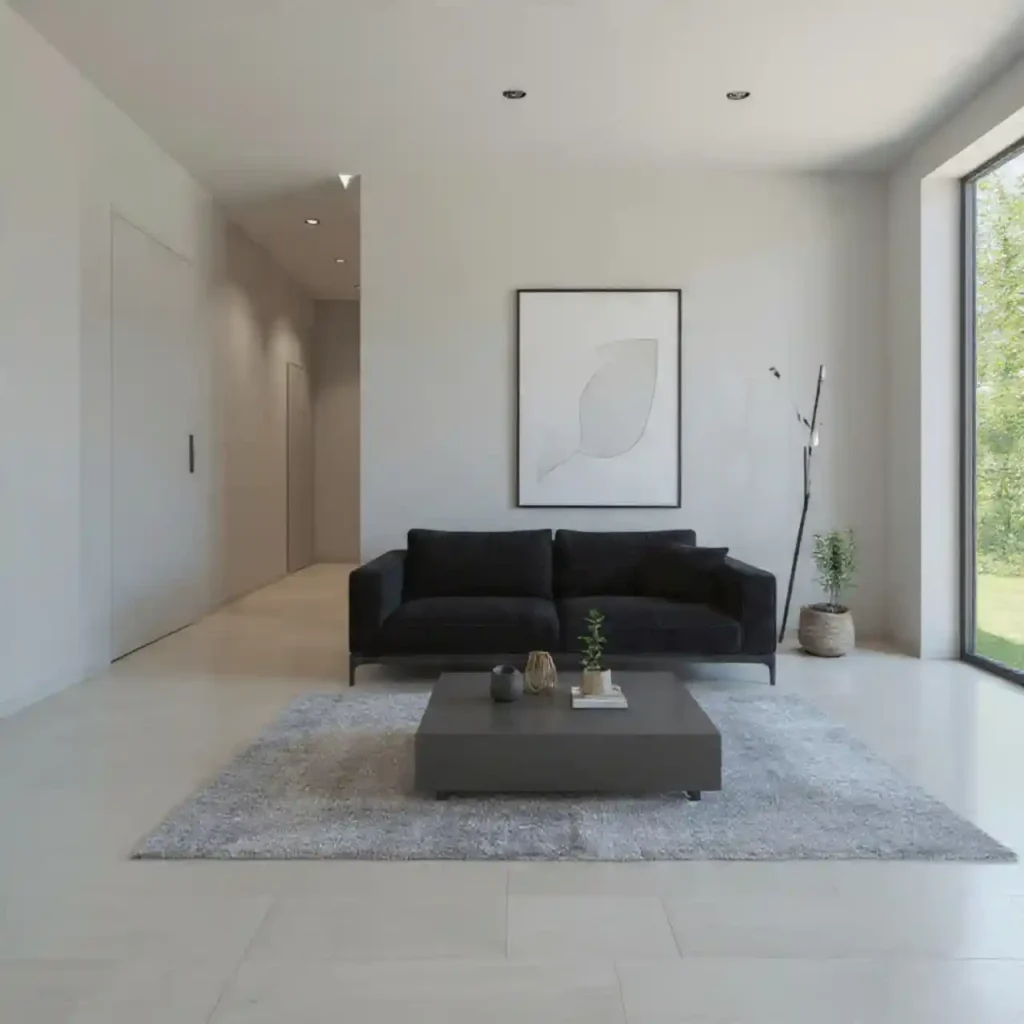
27. Choose Timeless Furniture
Invest in classic shapes that won’t feel dated. Minimalism thrives on longevity. This makes your space feel intentional.
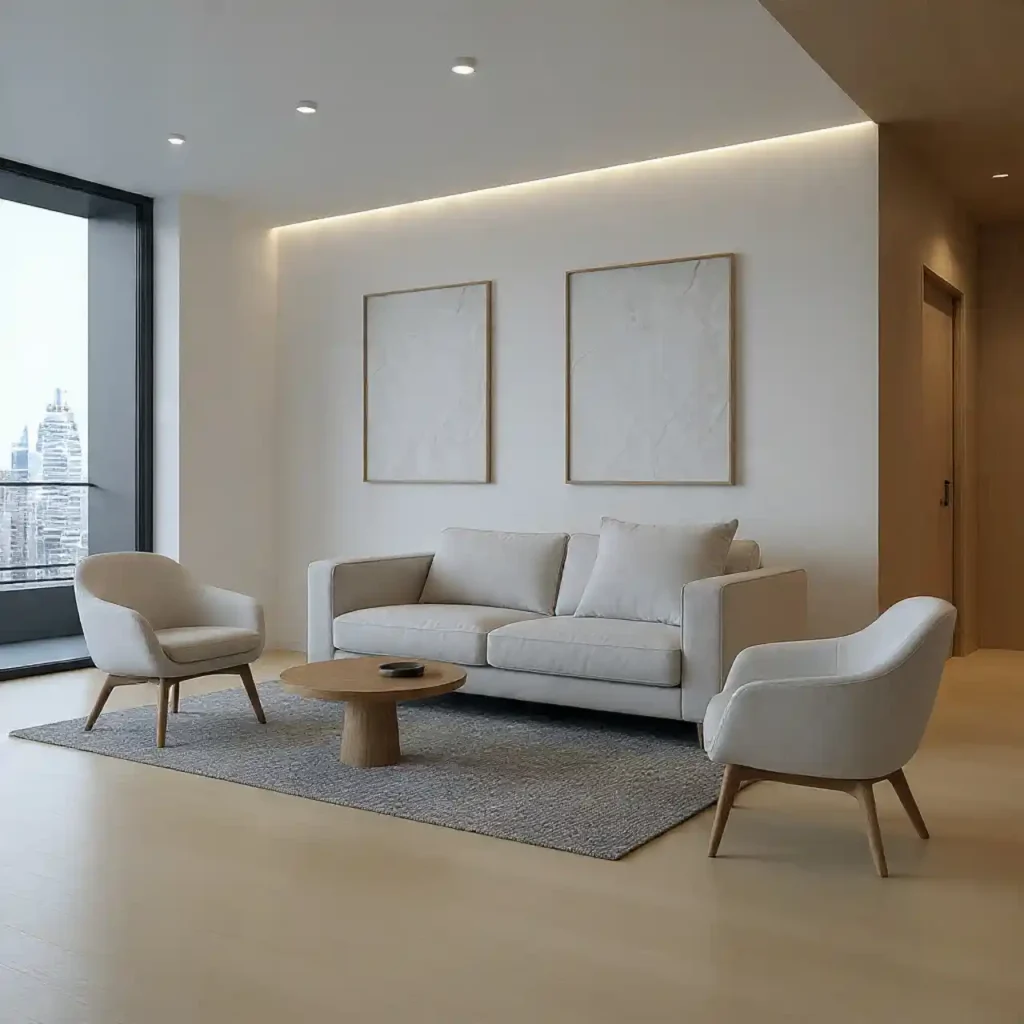
28. Create Zones with Furniture
Use rugs and seating placement to define areas. This keeps the space organized and visually clear.
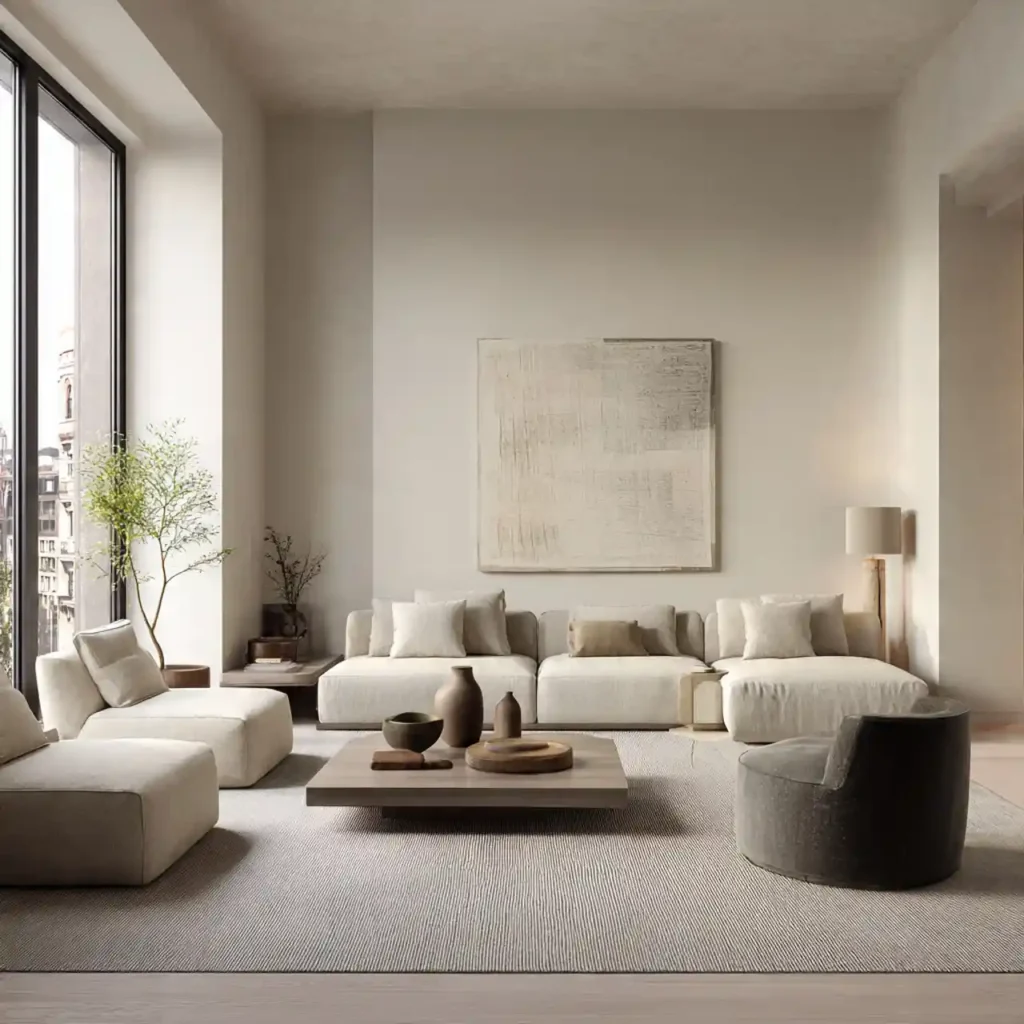
29. Maintain Visual Flow
Keep sightlines open across the room. Avoid blocking natural light or movement paths. Flow supports calm living.
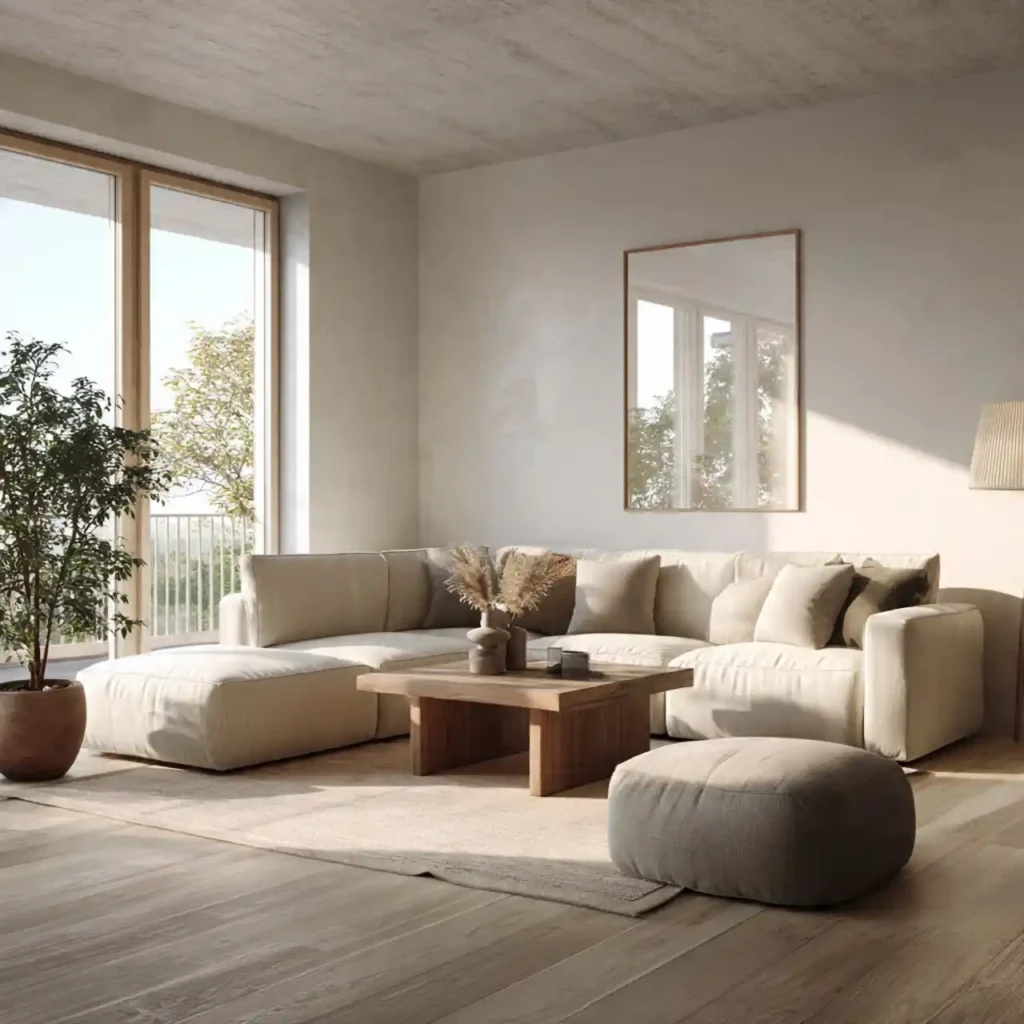
30. Focus on Calm Living
Minimalist living rooms are about peaceful daily living. Prioritize comfort, clarity, and balance. A calm home supports a calm mind.
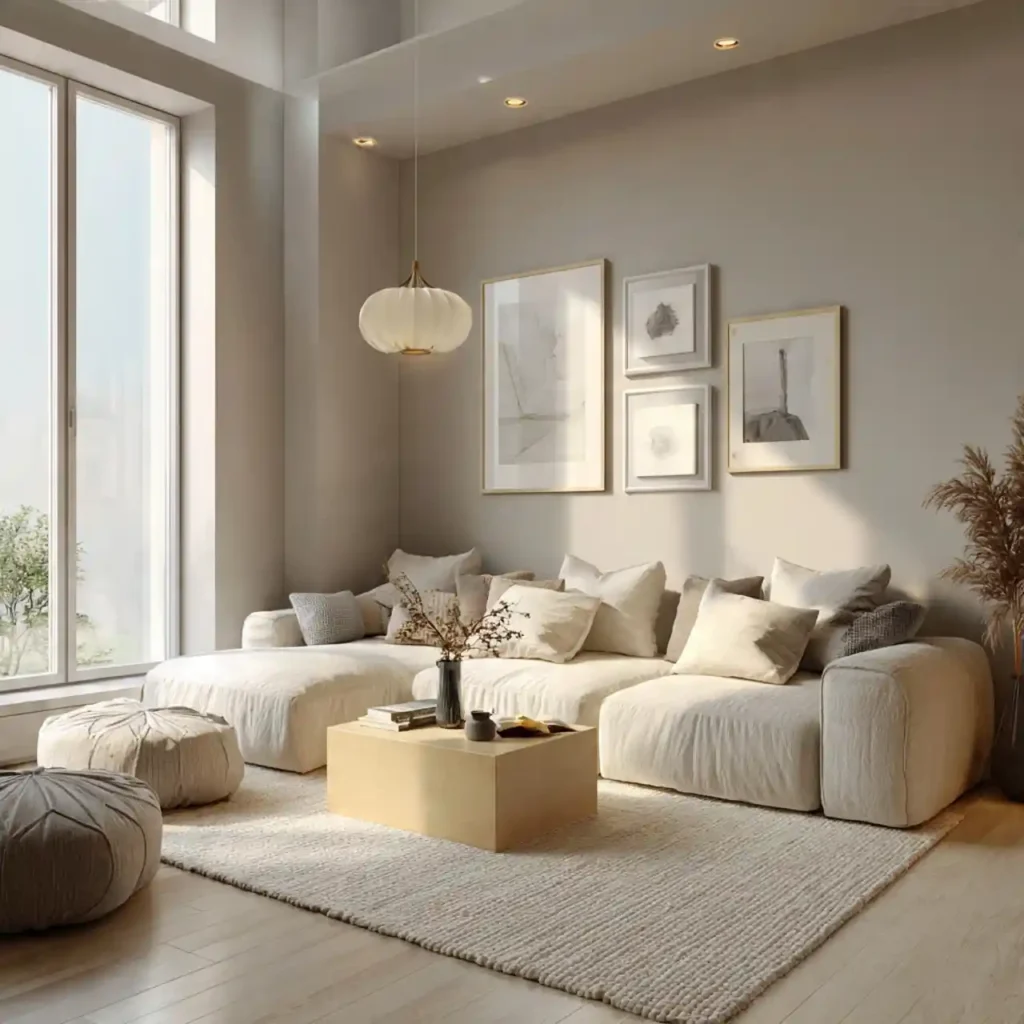
Final Thoughts: Minimalist Living Room Ideas
Minimalist living room design is about thoughtful simplicity, not emptiness. By choosing clean lines, neutral tones, and intentional décor, you create a calm space that feels welcoming and timeless. These Minimalist Living Room ideas help you design a living room that supports comfort, clarity, and a more peaceful way of living.