30 Wabi-Sabi Home Decor Ideas for a Peaceful, Minimal & Earthy Space
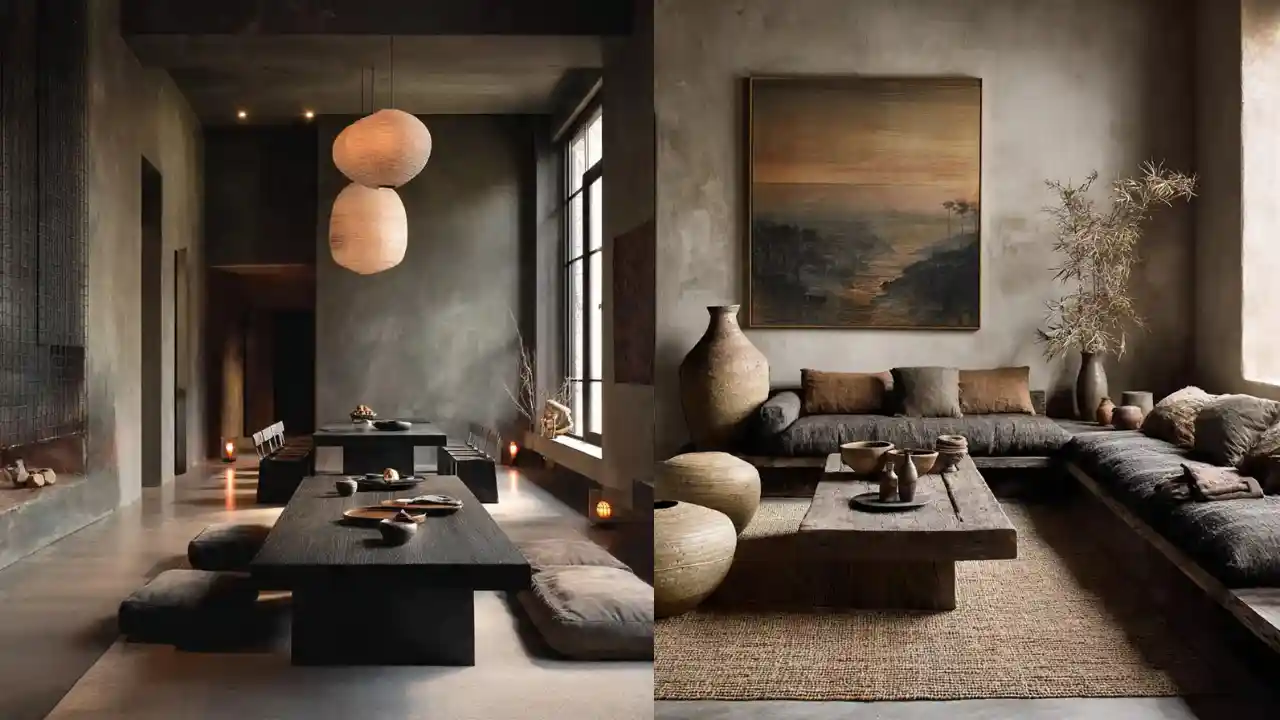
Wabi-sabi home decor is a timeless design philosophy rooted in Japanese culture that celebrates imperfection, impermanence, and simplicity. In 2026, this approach continues to influence modern interiors as homeowners seek calm, grounded spaces that feel authentic rather than overly polished. These 30 wabi-sabi home decor ideas by The Interior Bloom will help you to create a serene, minimalist, and earthy space aligned with modern interior design values.
Unlike trend-driven styles, wabi-sabi encourages intentional choices and emotional connection to objects. Handcrafted pieces, aged finishes, and subtle irregularities create warmth and depth without clutter. When applied thoughtfully, wabi-sabi décor transforms any home into a peaceful retreat.
1. Natural Wood Furniture with Visible Grain
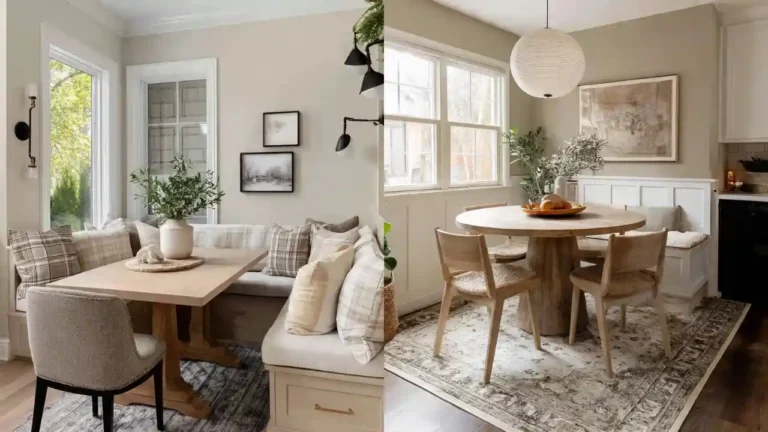
Wabi-sabi décor embraces wood in its most natural form. Visible knots and grain patterns add character and authenticity. Light to medium wood tones create warmth without heaviness.
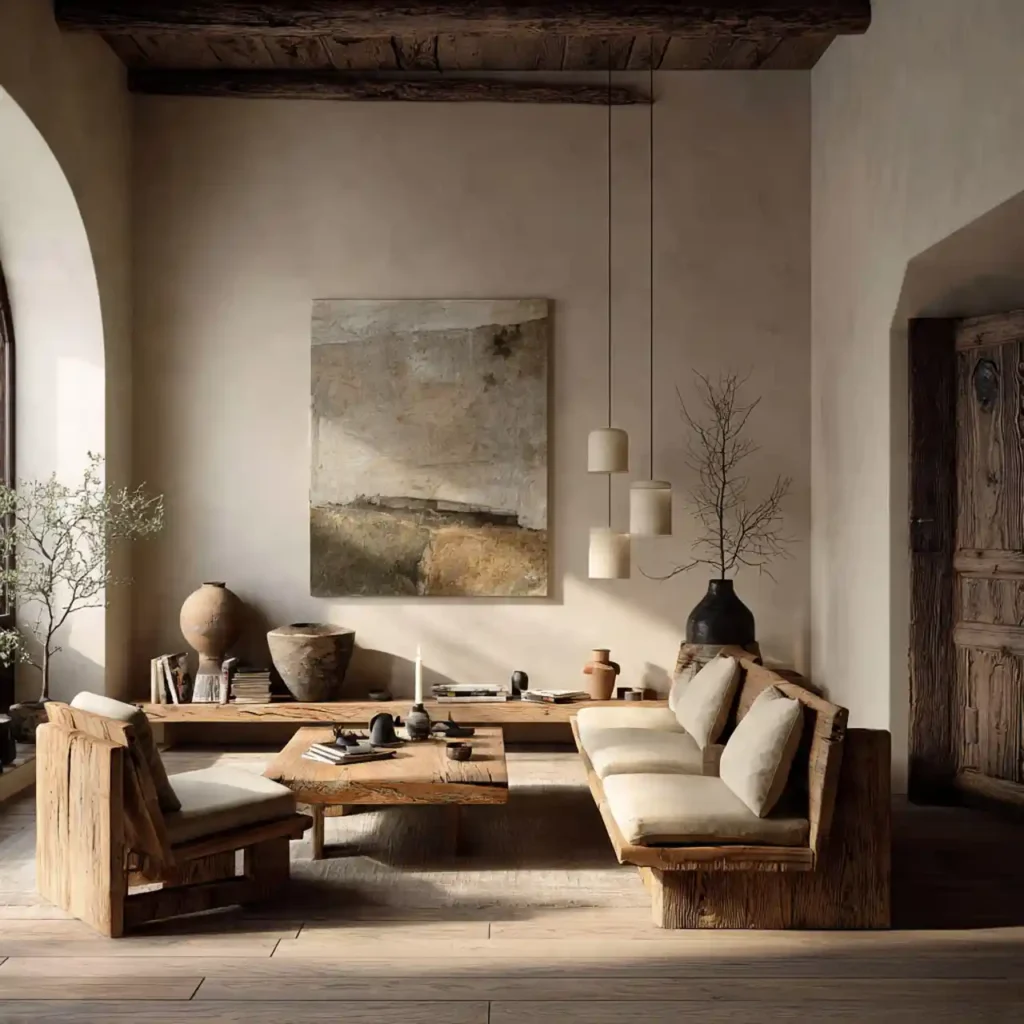
2. Earthy Neutral Color Palette
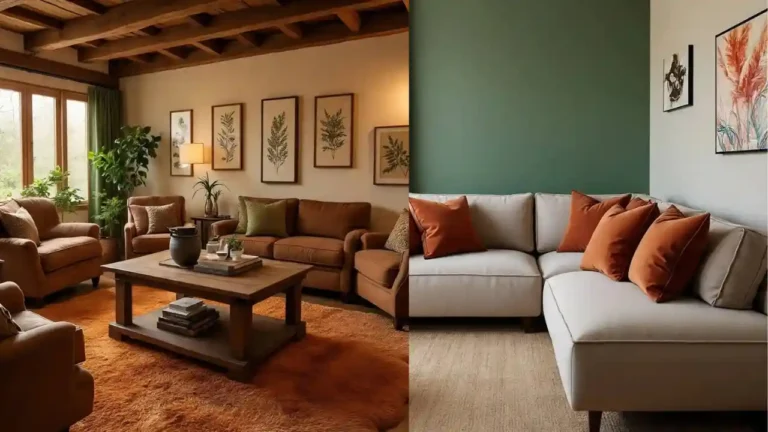
Soft whites, clay, beige, and taupe form the foundation of wabi-sabi interiors. These colors create calm without visual stimulation. Earthy hues allow materials to take center stage.
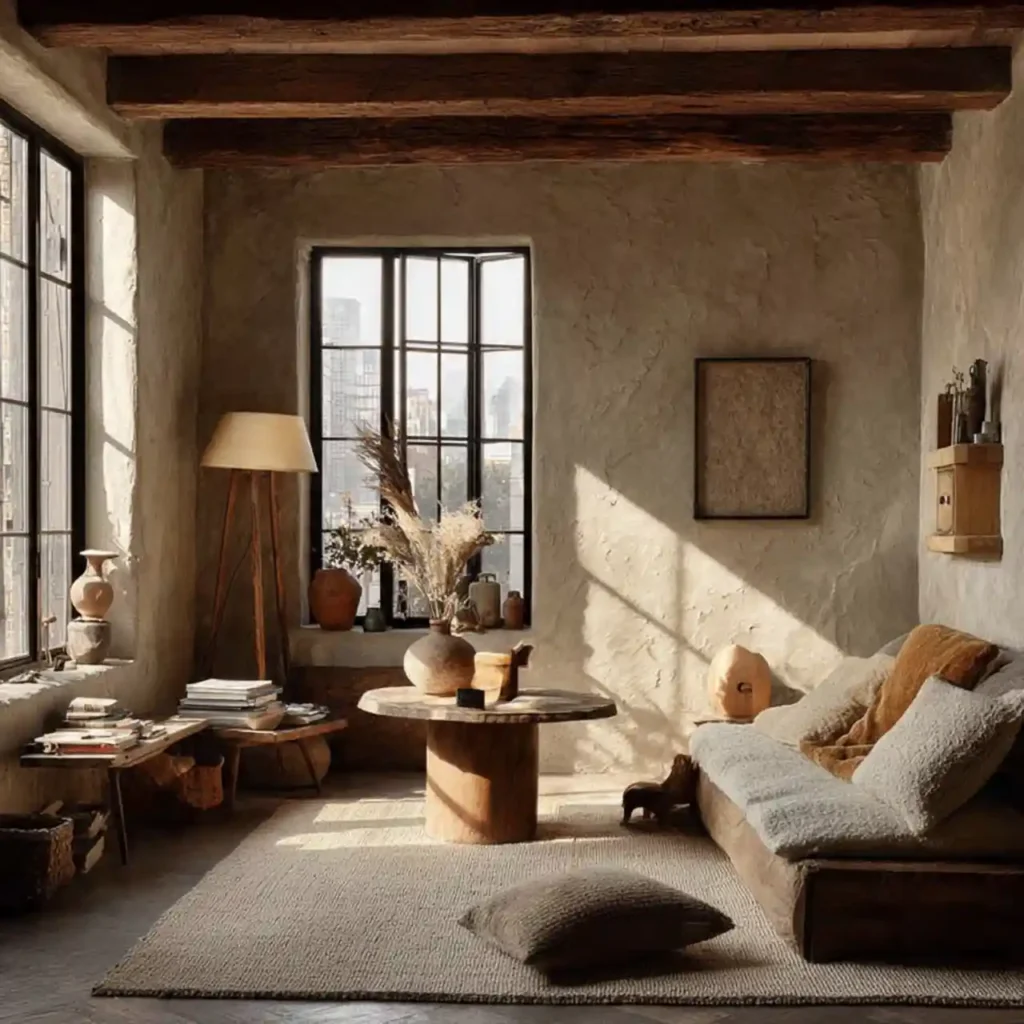
3. Handmade Ceramic Décor
Handcrafted ceramics embody wabi-sabi philosophy through imperfection. Uneven shapes and matte finishes add warmth and depth. Use them sparingly for a balanced look.
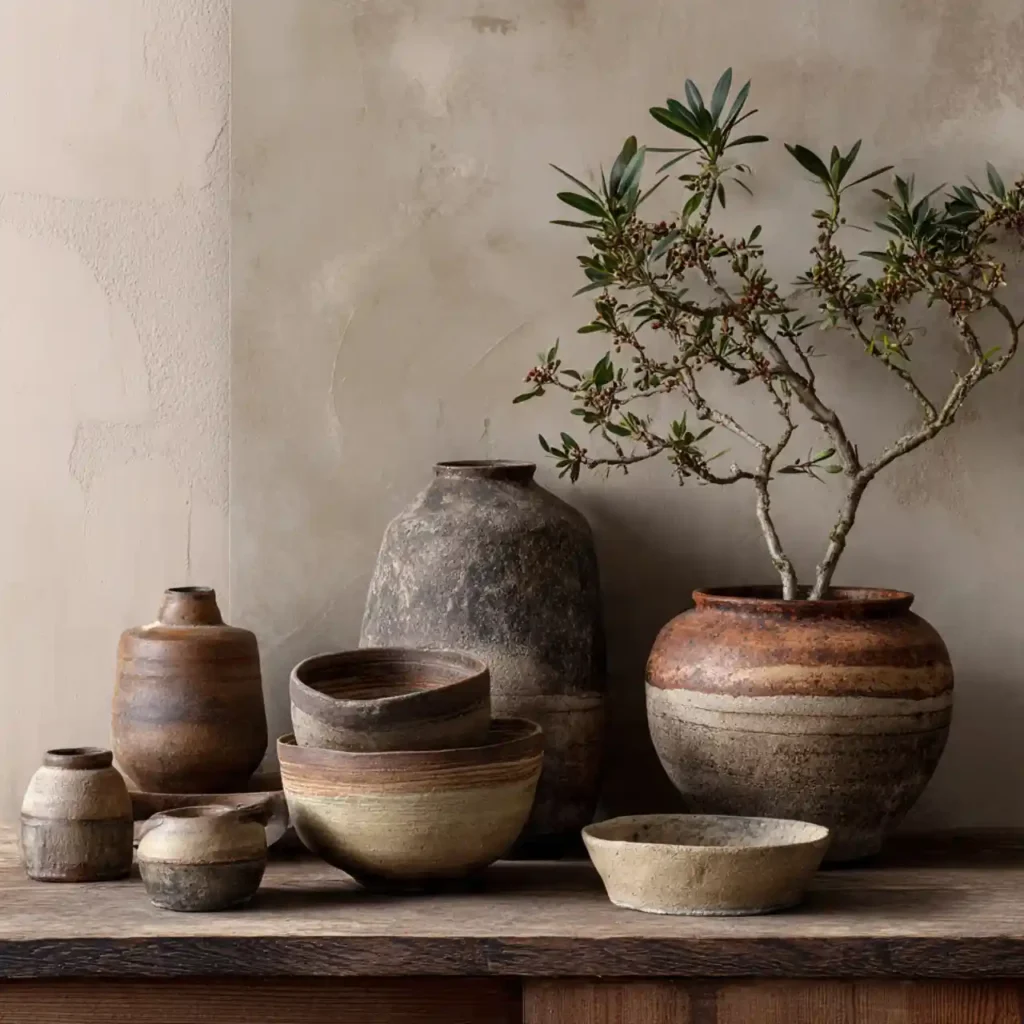
4. Linen and Cotton Textiles
Natural fabrics like linen and cotton bring softness and breathability. Their relaxed texture aligns with wabi-sabi simplicity. Neutral shades enhance tranquility.
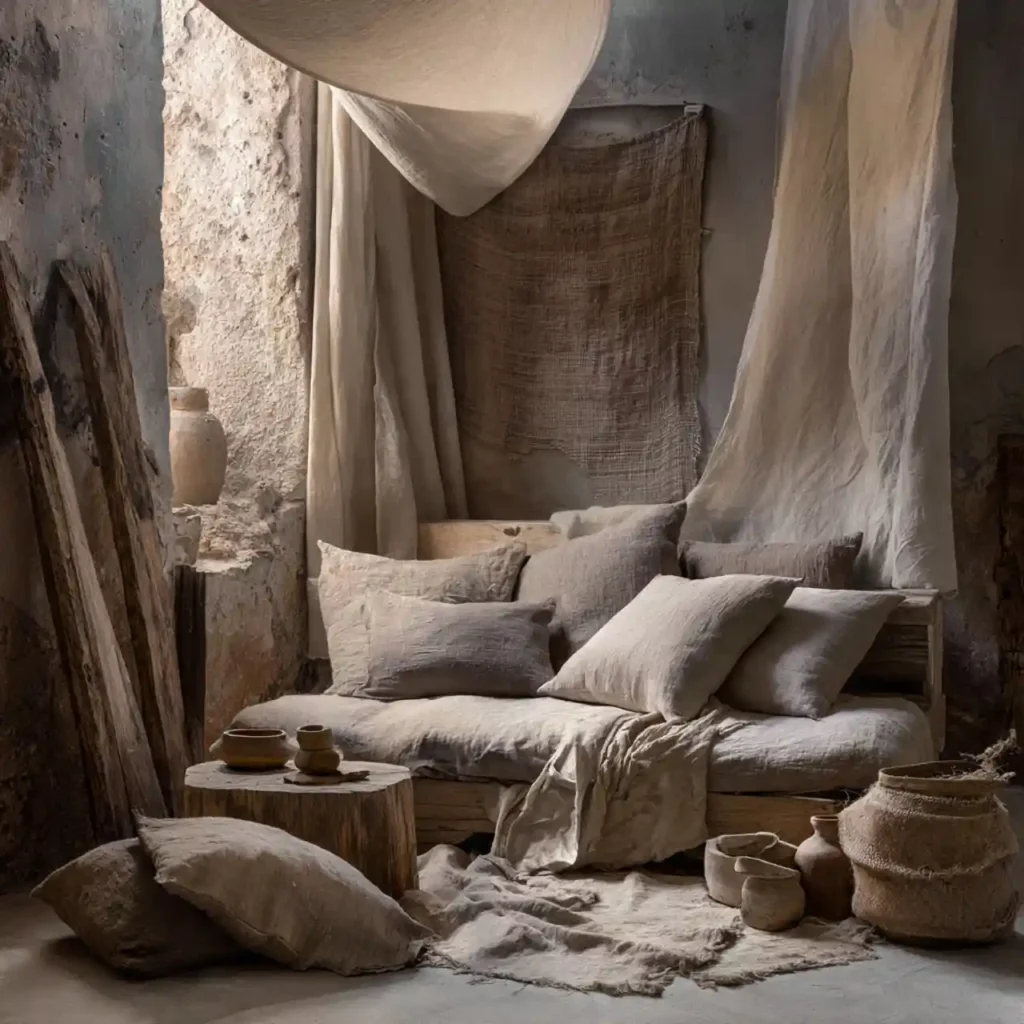
5. Minimal & Low-Profile Furniture
Low furniture reflects Japanese design influence. It creates openness and grounding. Simple forms support a peaceful atmosphere.
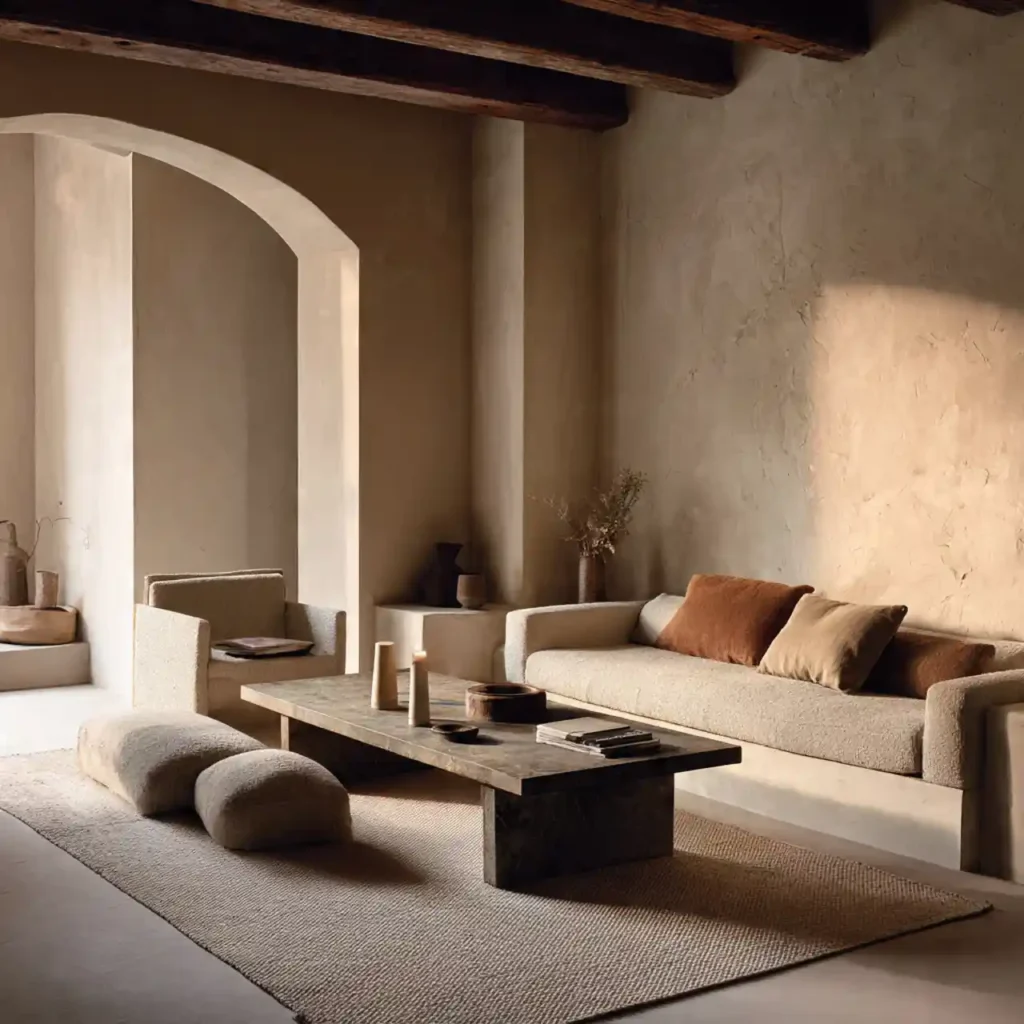
6. Textured Plaster or Limewash Walls
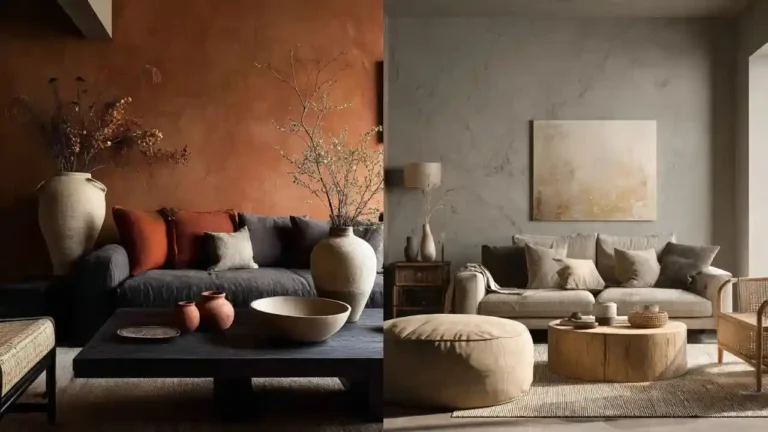
Imperfect wall finishes add subtle visual interest. Limewash or plaster creates depth without decoration. Earthy tones enhance softness.
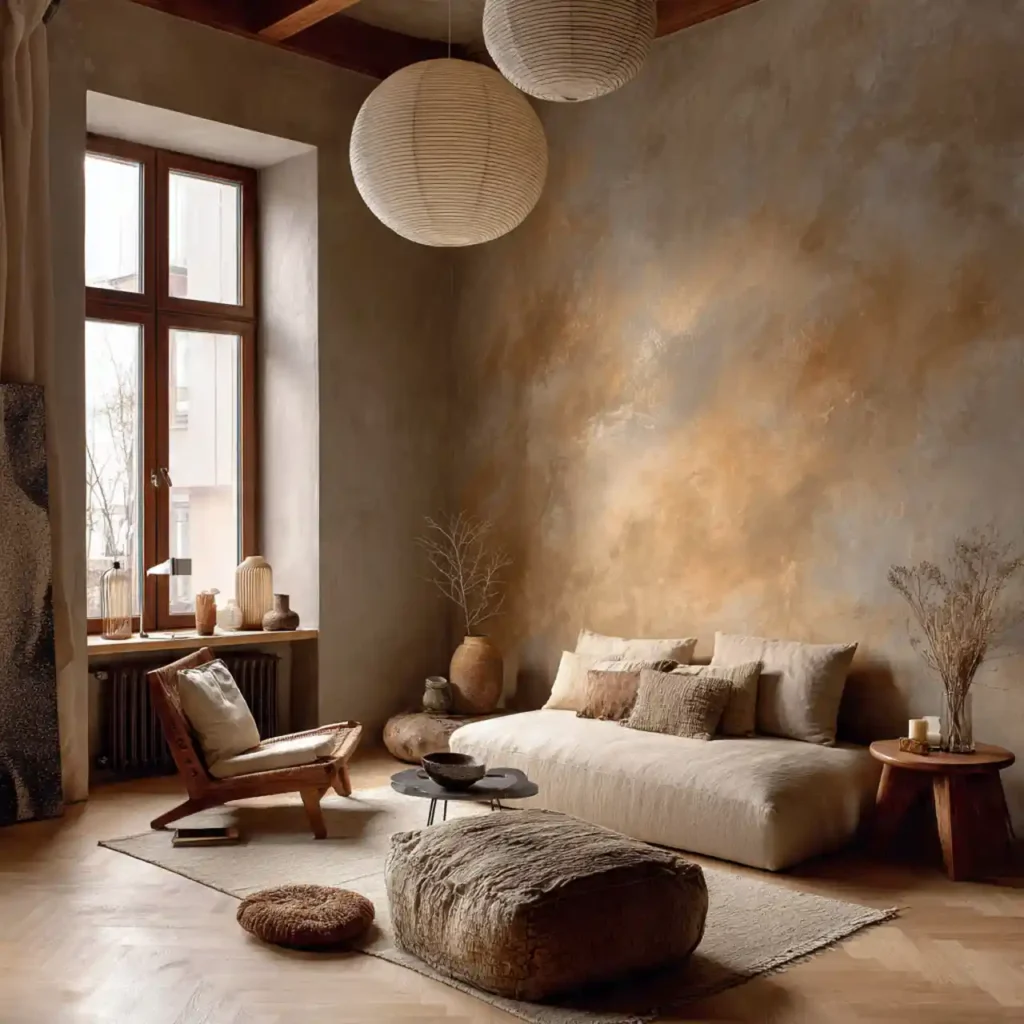
7. Wabi-Sabi Décor with Indoor Plants
Plants bring life and organic contrast. Their natural growth patterns align with imperfection. Choose simple greenery for balance.
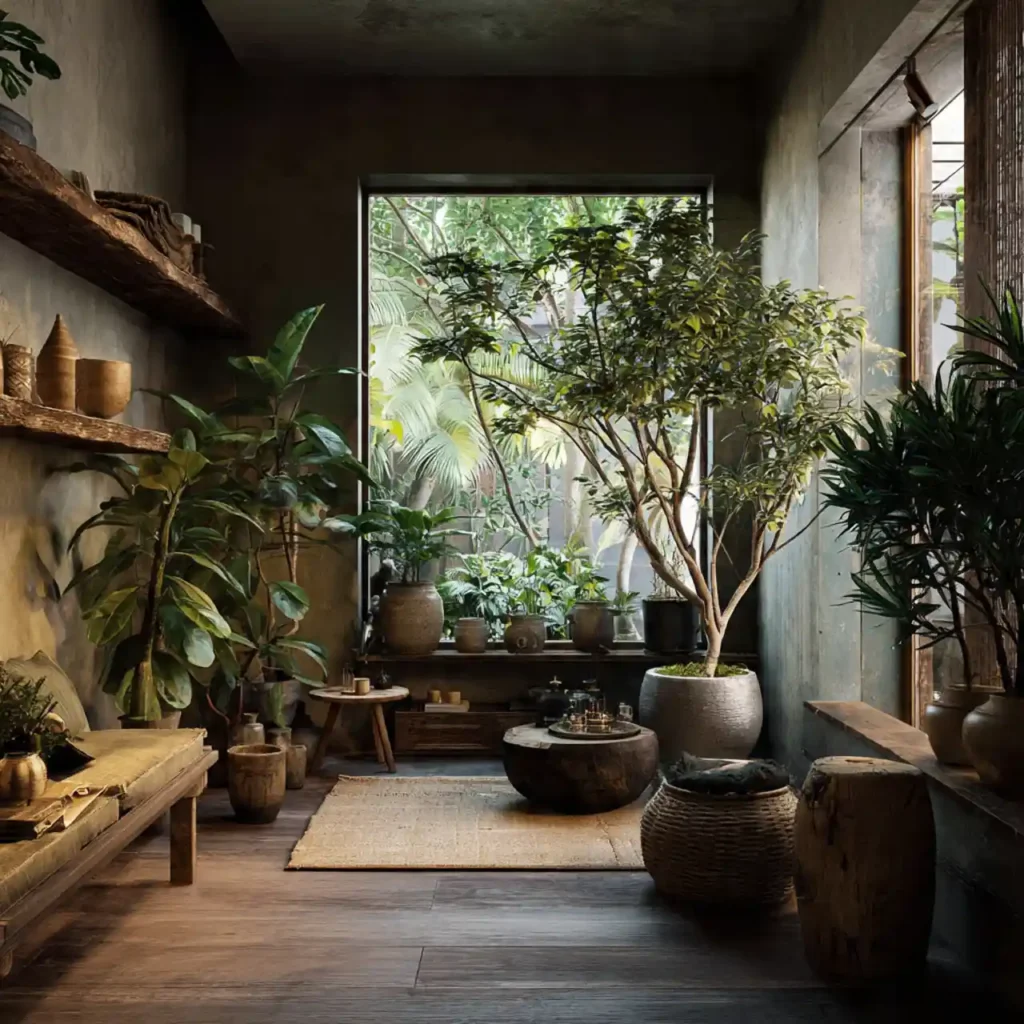
8. Natural Stone Accents
Stone elements add grounding texture. Use stone trays, lamps, or accent walls sparingly. Earthy tones maintain harmony.
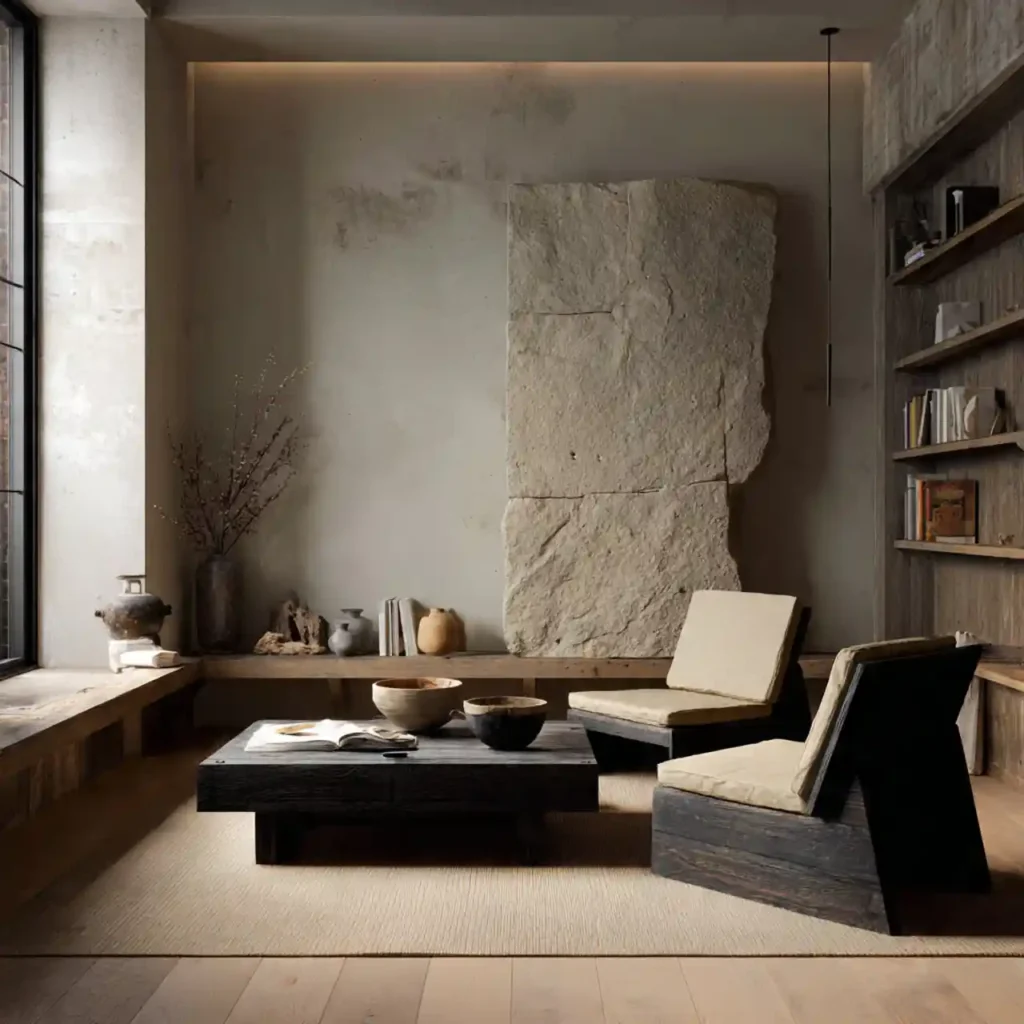
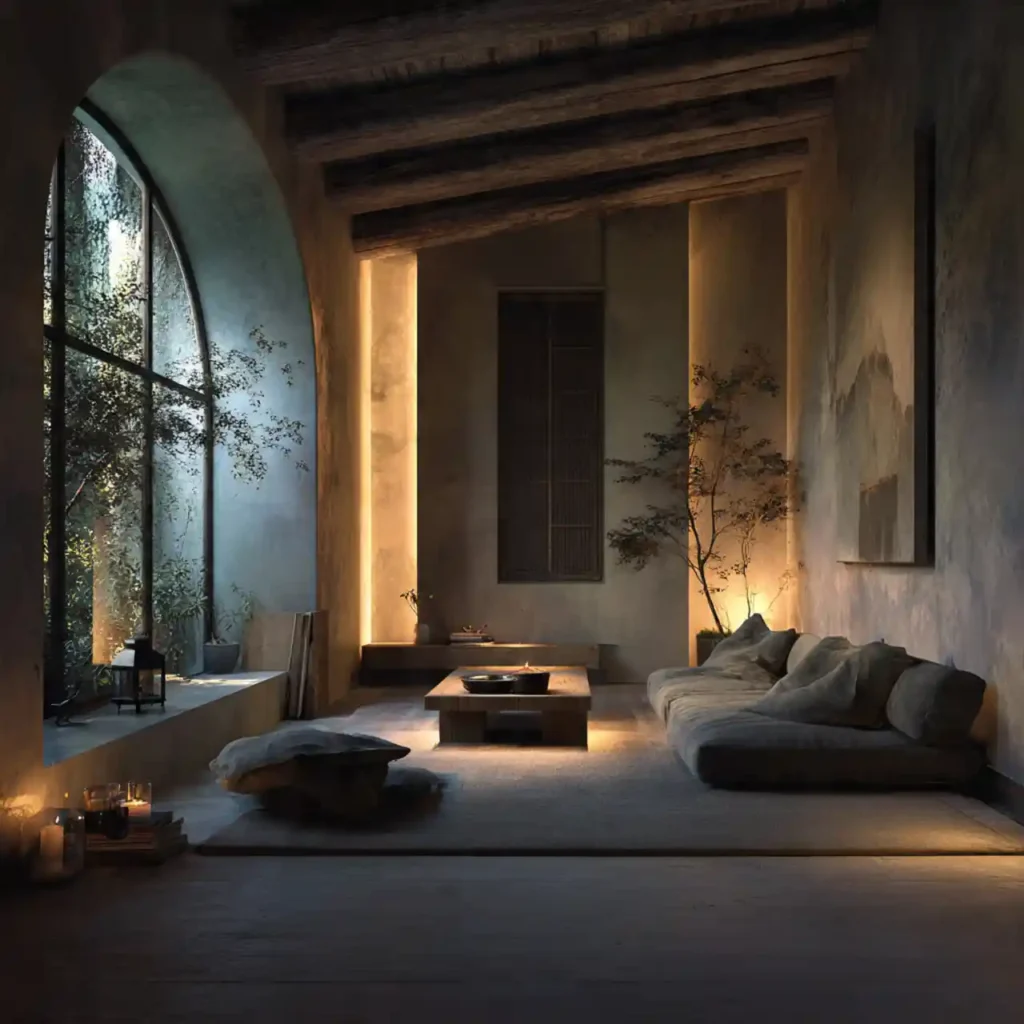
9. Soft & Warm Ambient Lighting
Warm lighting enhances the calming nature of wabi-sabi spaces. Avoid harsh or overly bright fixtures. Diffused light creates comfort.
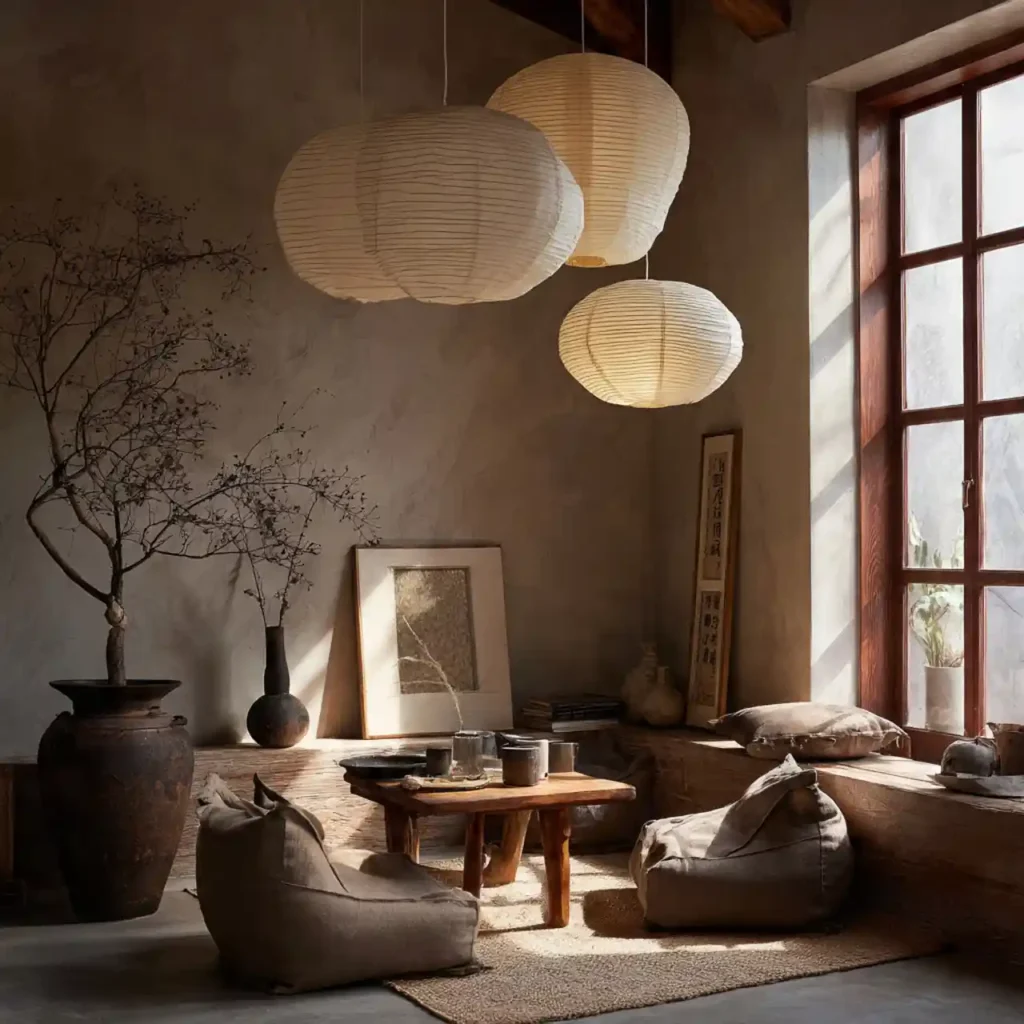
10. Paper Lantern and Rice Paper Lighting
Paper lighting introduces softness and Japanese influence. It diffuses light gently across natural surfaces. This enhances serenity.
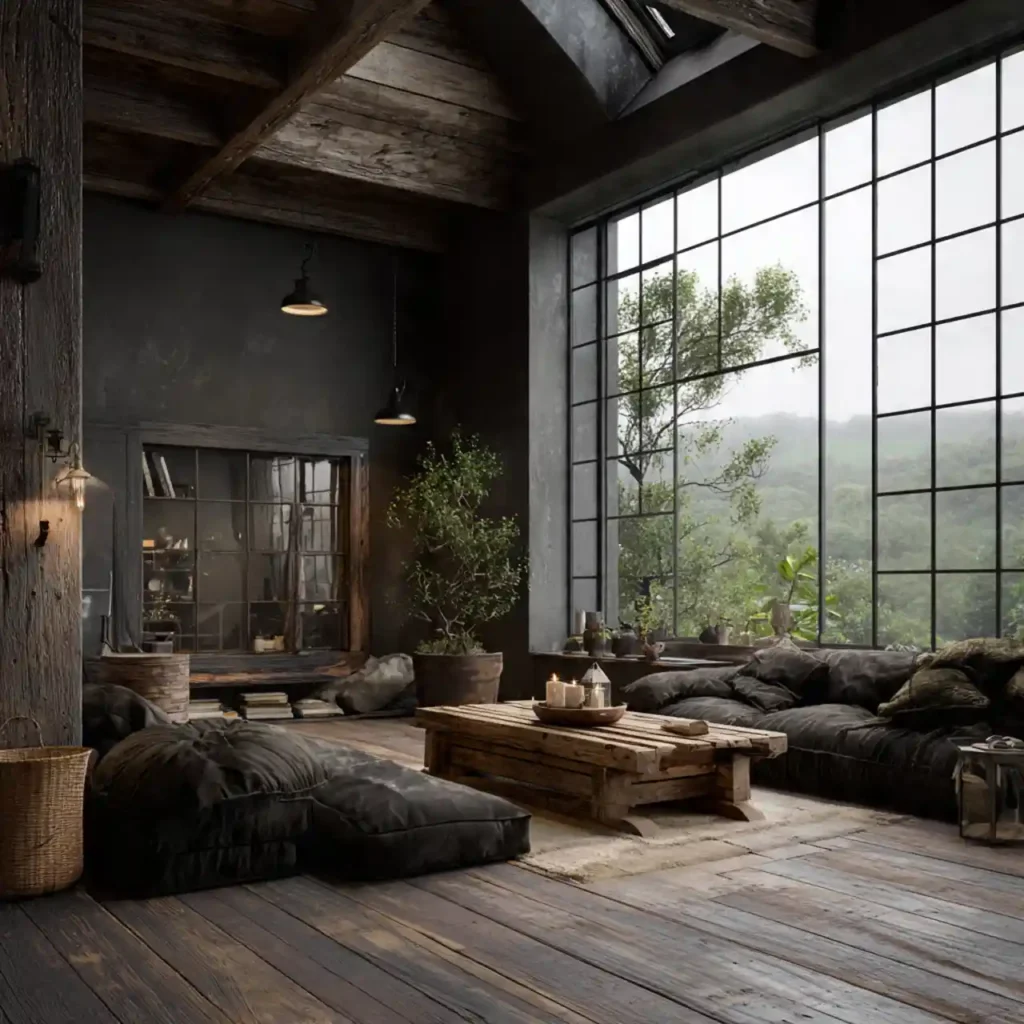
11. Wabi-Sabi Décor with Worn Finishes
Aged finishes add history and character. Wabi-sabi values objects that show use over time. This creates emotional warmth.
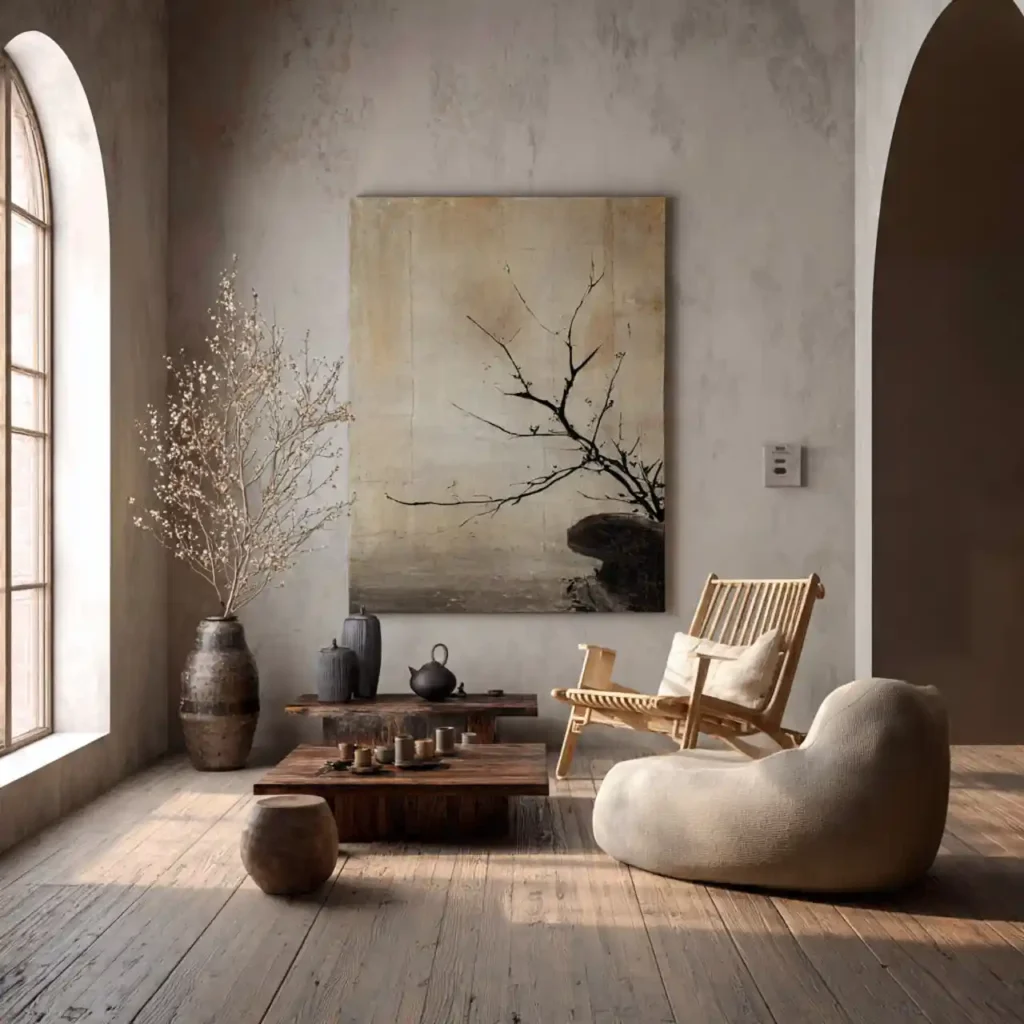
12. Minimal Nature-Inspired Artwork
Artwork should feel subtle and intentional. Abstract or nature-inspired pieces work best. Neutral tones maintain calm.
13. Clay and Terracotta Accents
Terracotta introduces warmth and earthiness. Its raw texture aligns perfectly with wabi-sabi design. Use as vases or bowls.
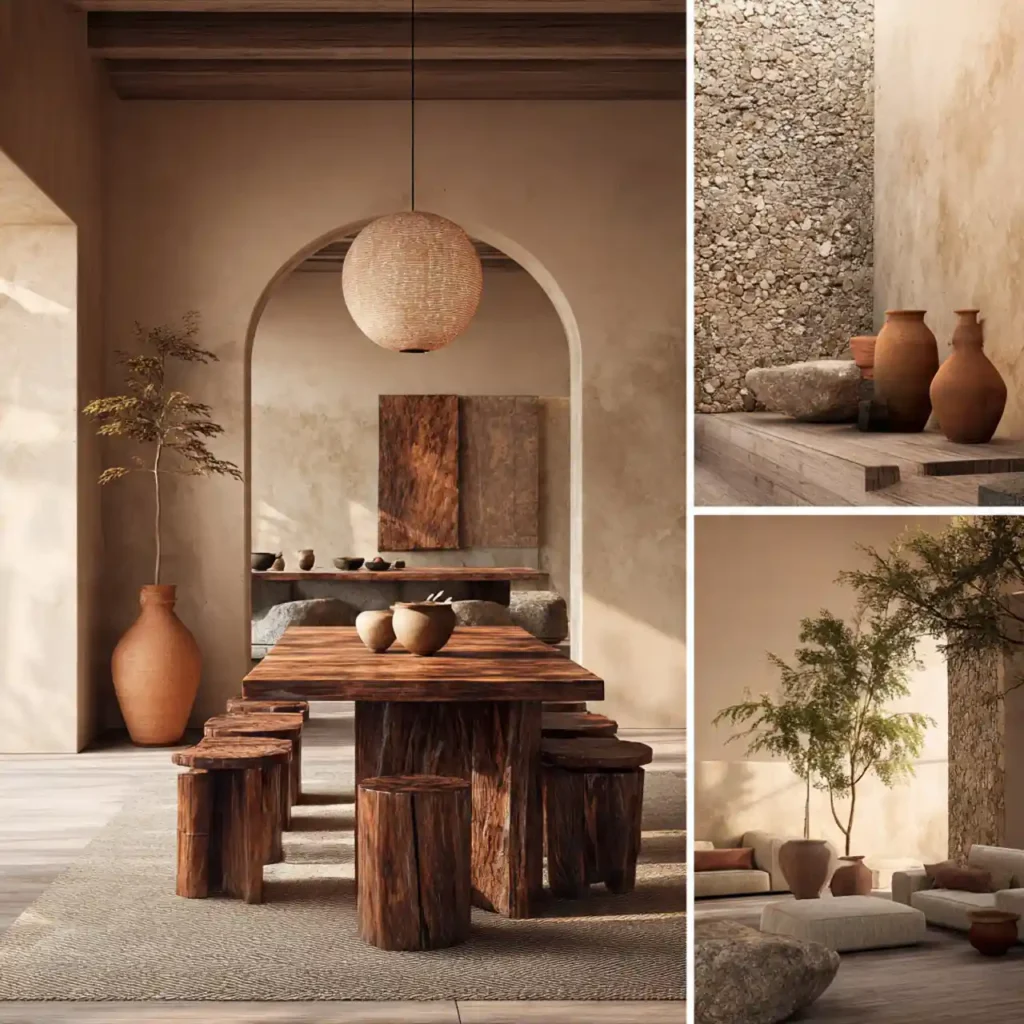
14. Simple Wooden Shelving
Open wooden shelves add functionality without clutter. Keep styling minimal and organic. Natural finishes enhance balance.
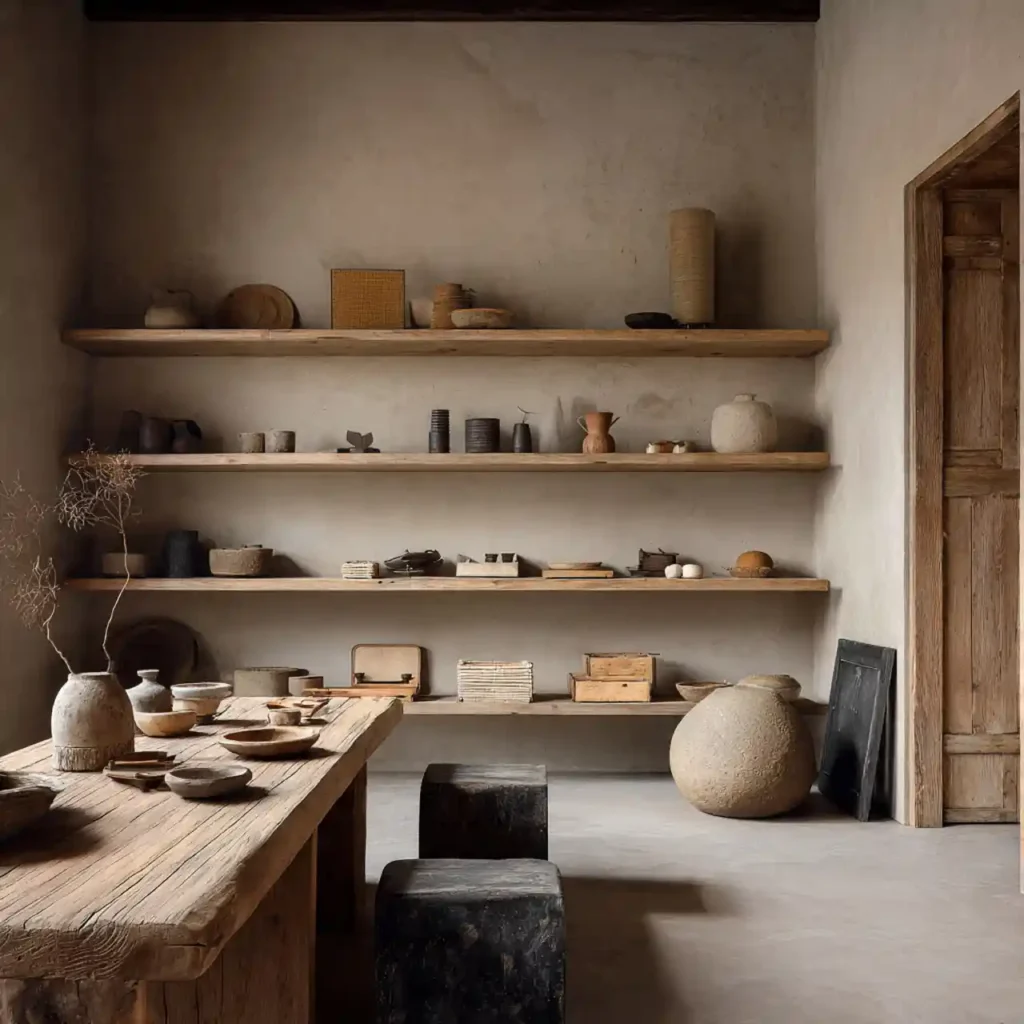
15. Wabi-Sabi Décor with Floor Seating
Floor cushions reflect traditional Japanese living. Earthy fabrics add comfort. This promotes relaxed, mindful spaces.
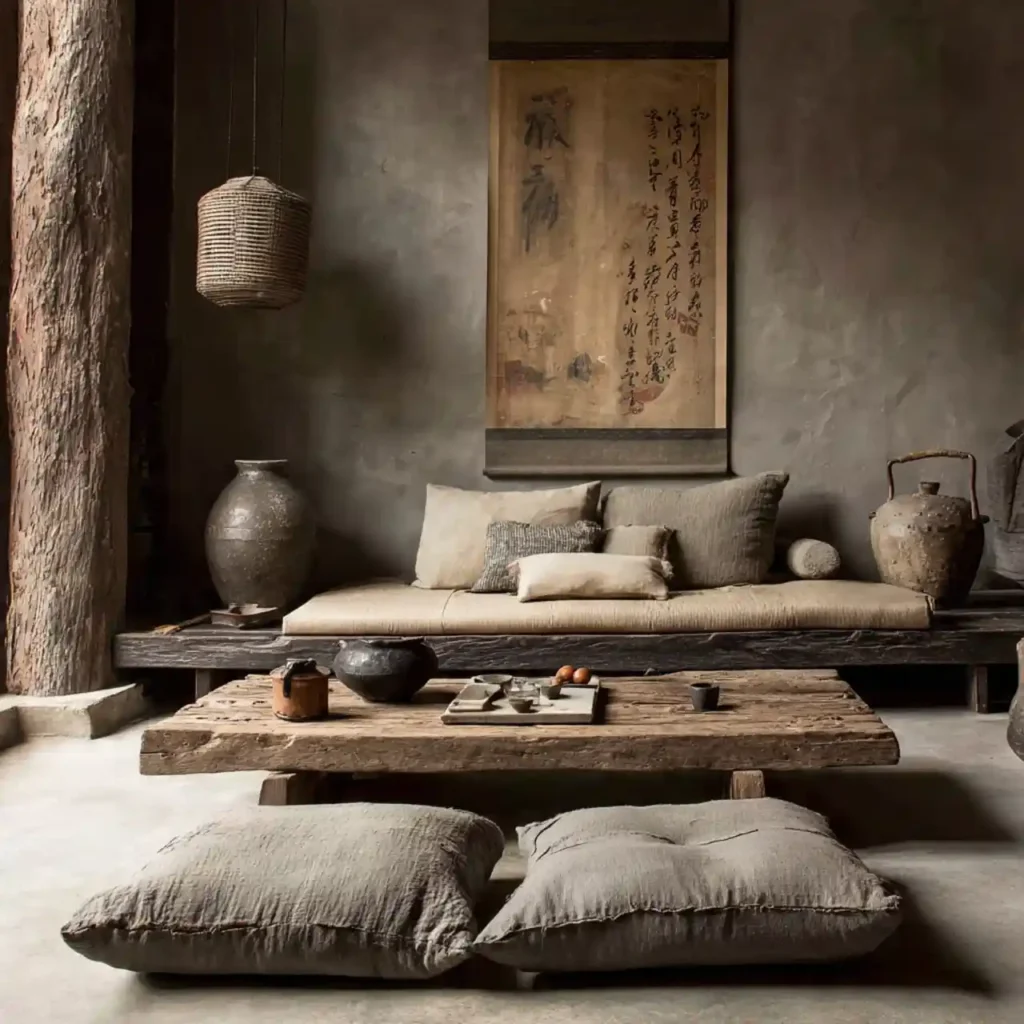
16. Organic-Shaped Décor Objects
Irregular shapes soften straight lines. Handmade objects feel personal and unique. Earthy materials enhance authenticity.
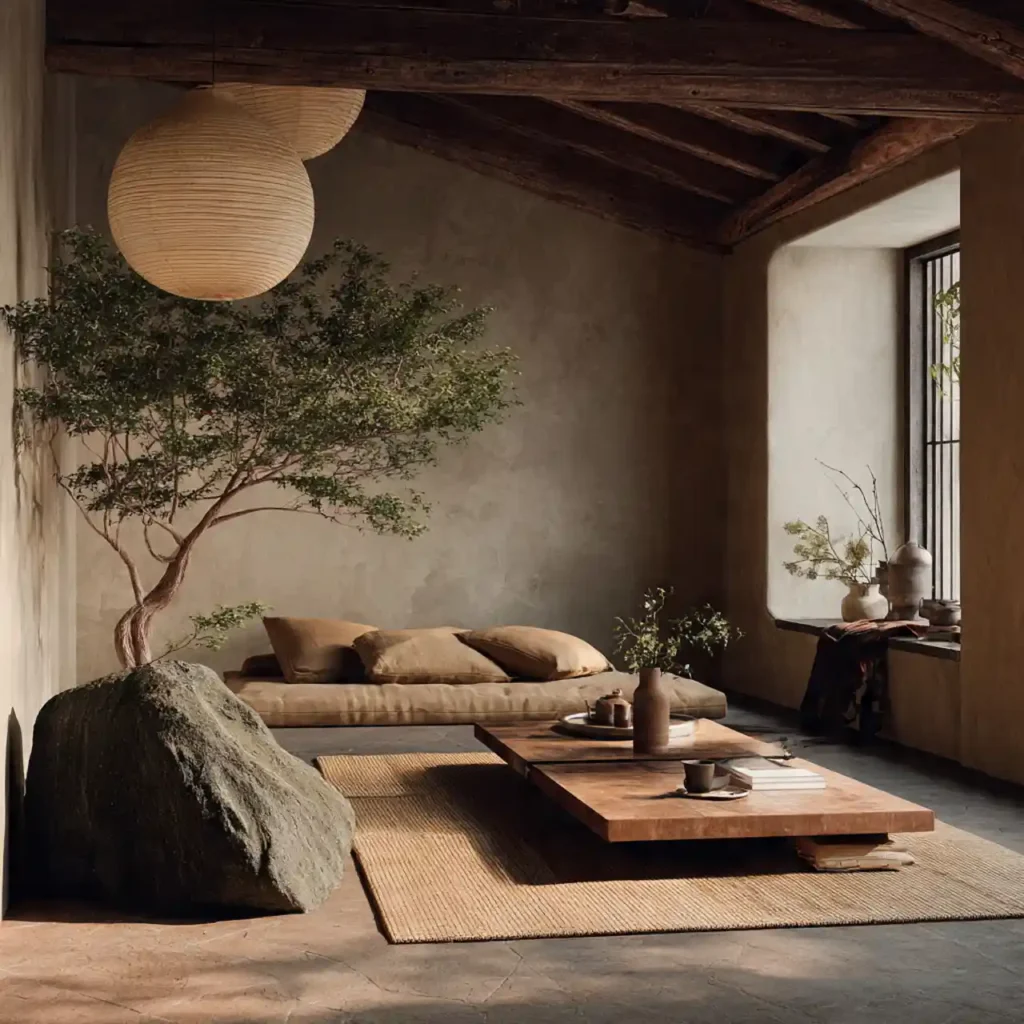
17. Natural Fiber Rugs
Rugs made from wool, jute, or cotton add warmth. Their subtle imperfections enhance texture. Neutral shades maintain simplicity.
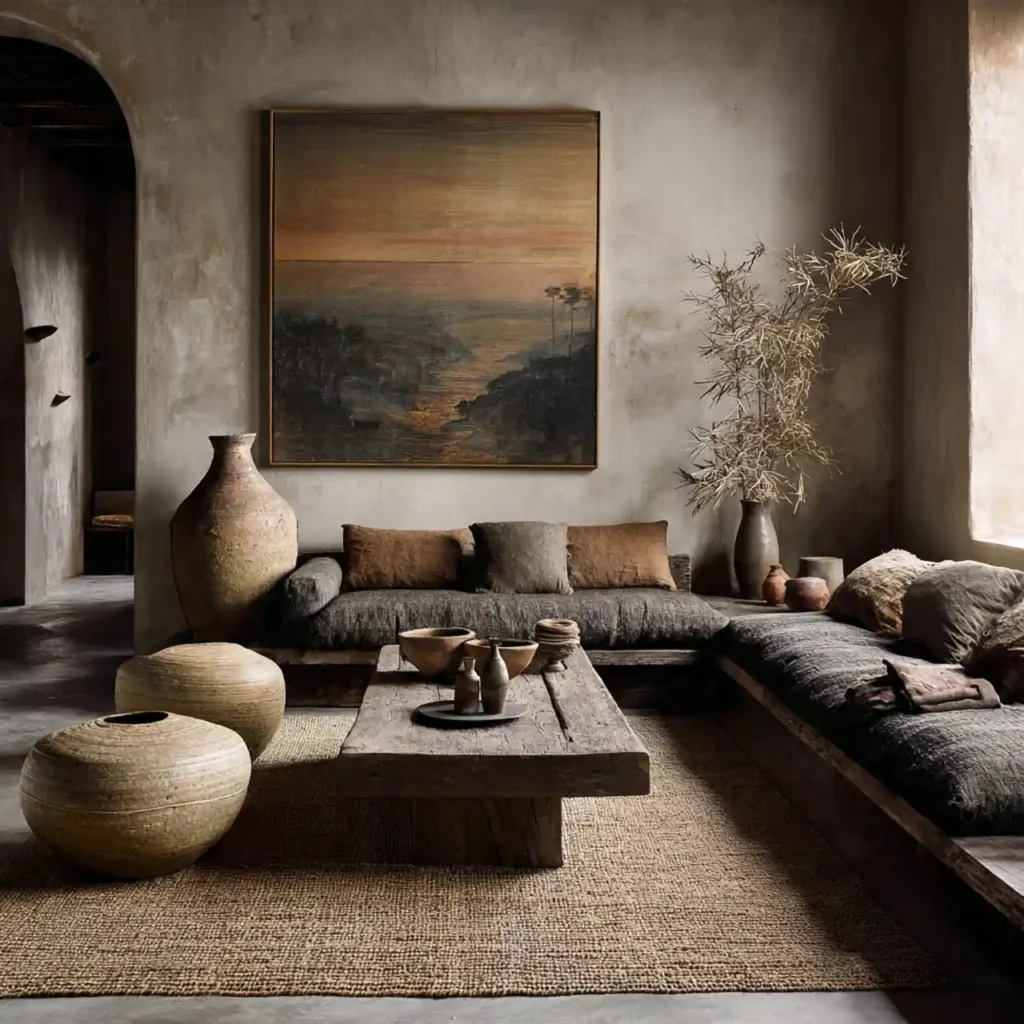
18. Wabi-Sabi Décor with Open Space
Negative space is essential to wabi-sabi design. It allows each object to breathe. This enhances calm and clarity.
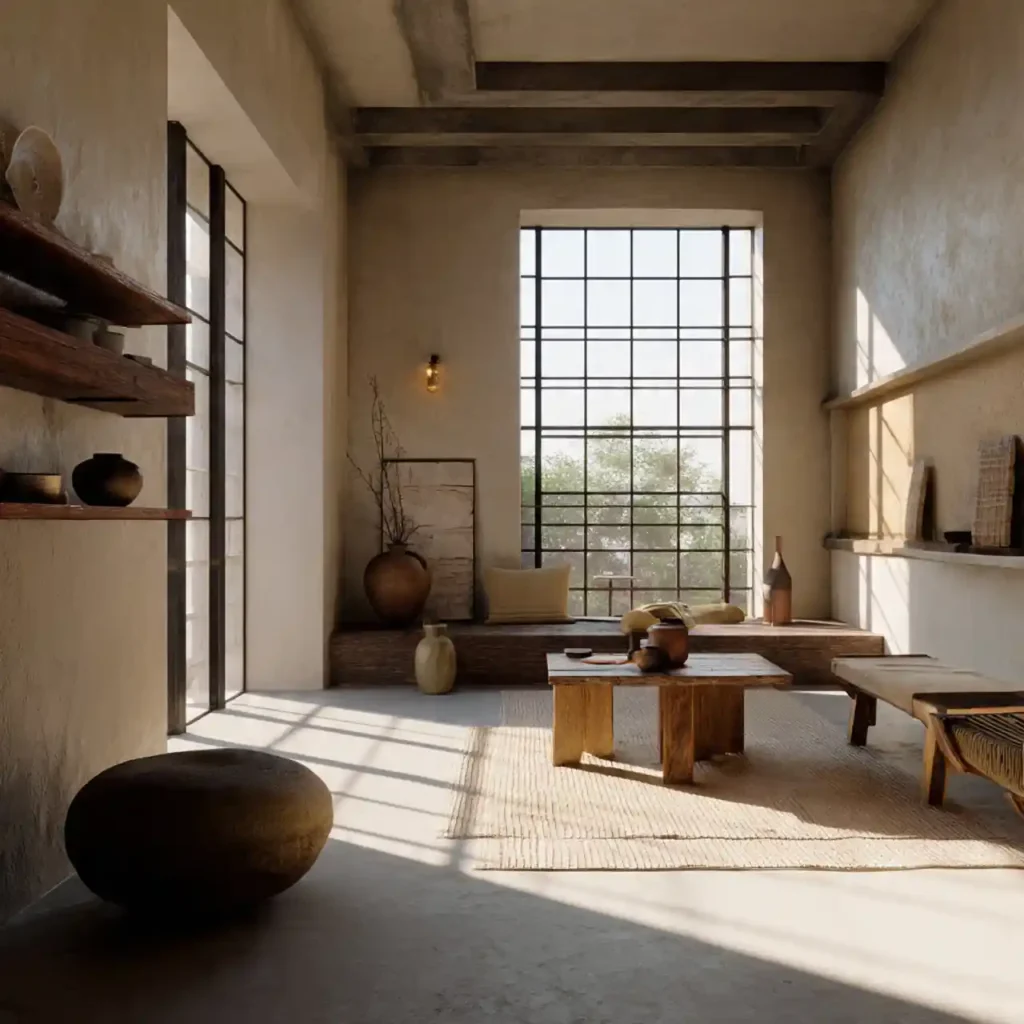
19. Wooden Ceiling Elements
Exposed wood ceilings add warmth overhead. Their natural texture feels grounding. Earthy tones maintain balance.
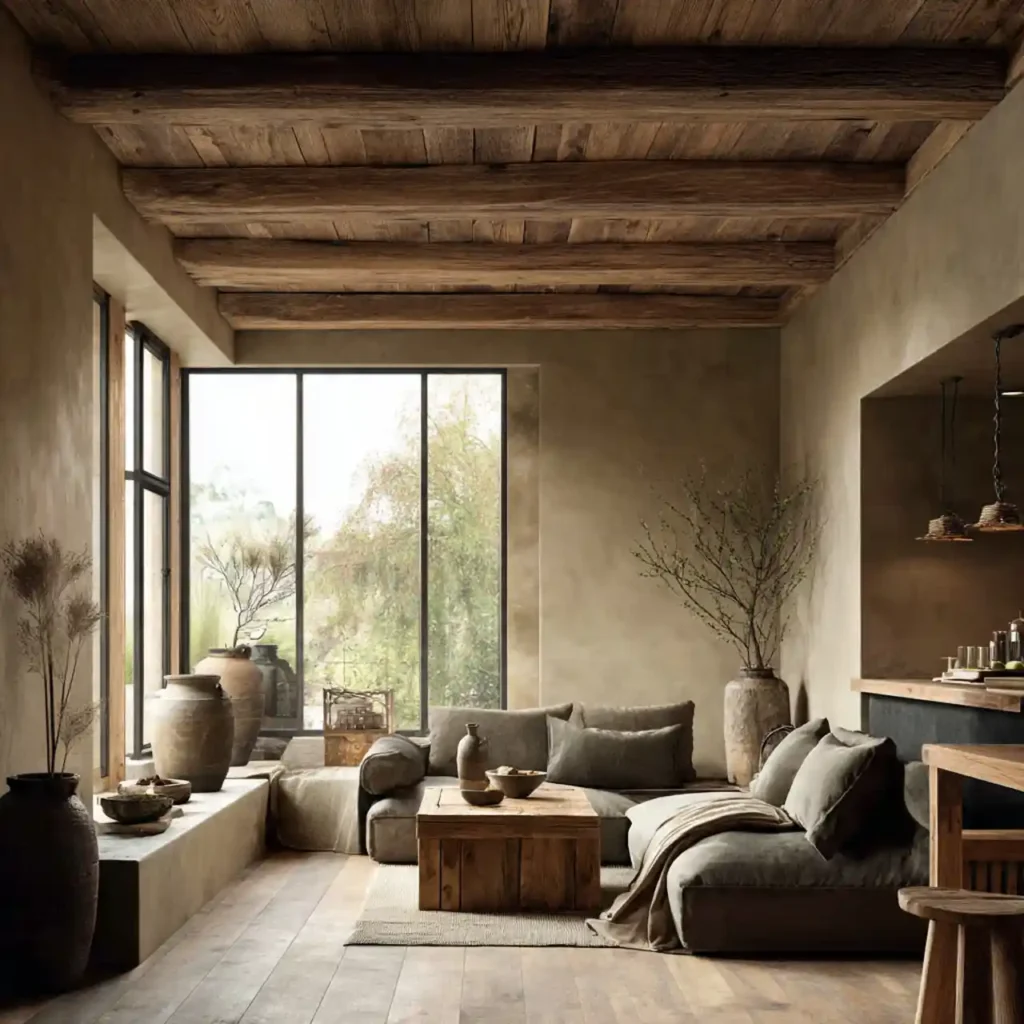
20. Soft Neutral Bedding
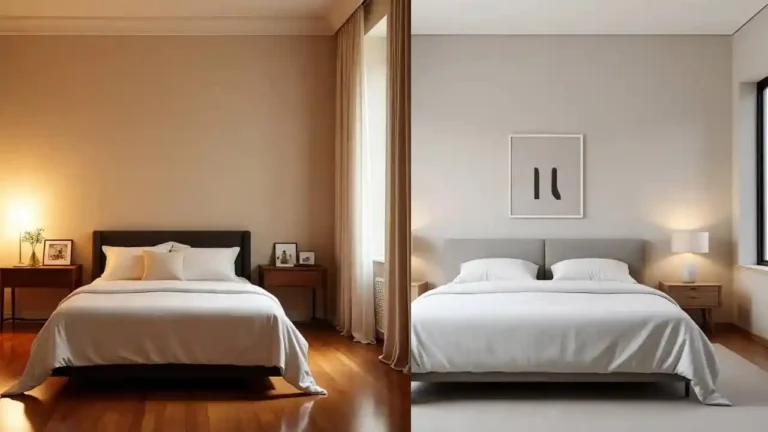
In bedrooms, soft neutral bedding enhances rest. Linen and cotton fabrics feel natural and relaxed. Earthy shades support calm sleep.
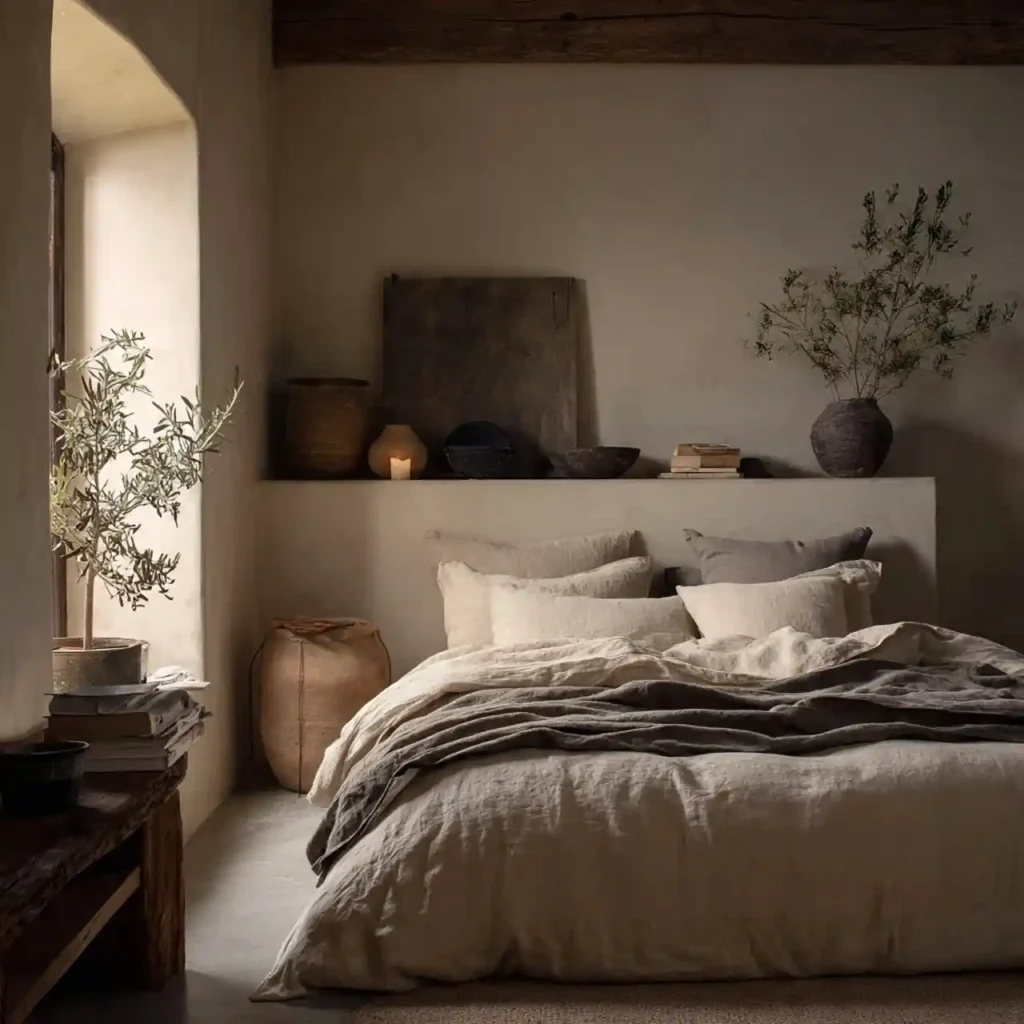
21. Wabi-Sabi Décor with Handmade Textiles
Handwoven throws and cushions add soul. Their imperfections reflect craftsmanship. Neutral colors keep harmony.
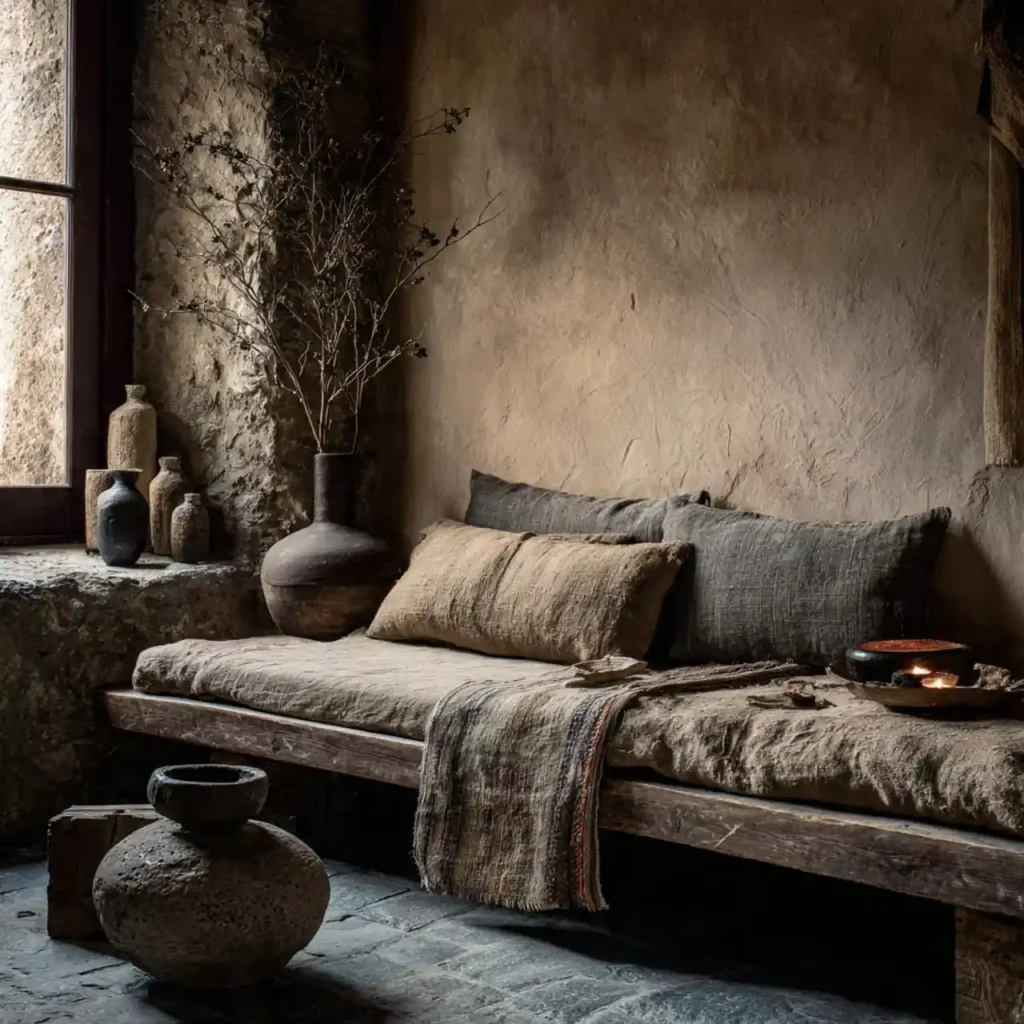
22. Minimal Wooden Storage
Simple wooden storage keeps spaces organized. Flat designs reduce visual noise. Natural finishes support warmth.
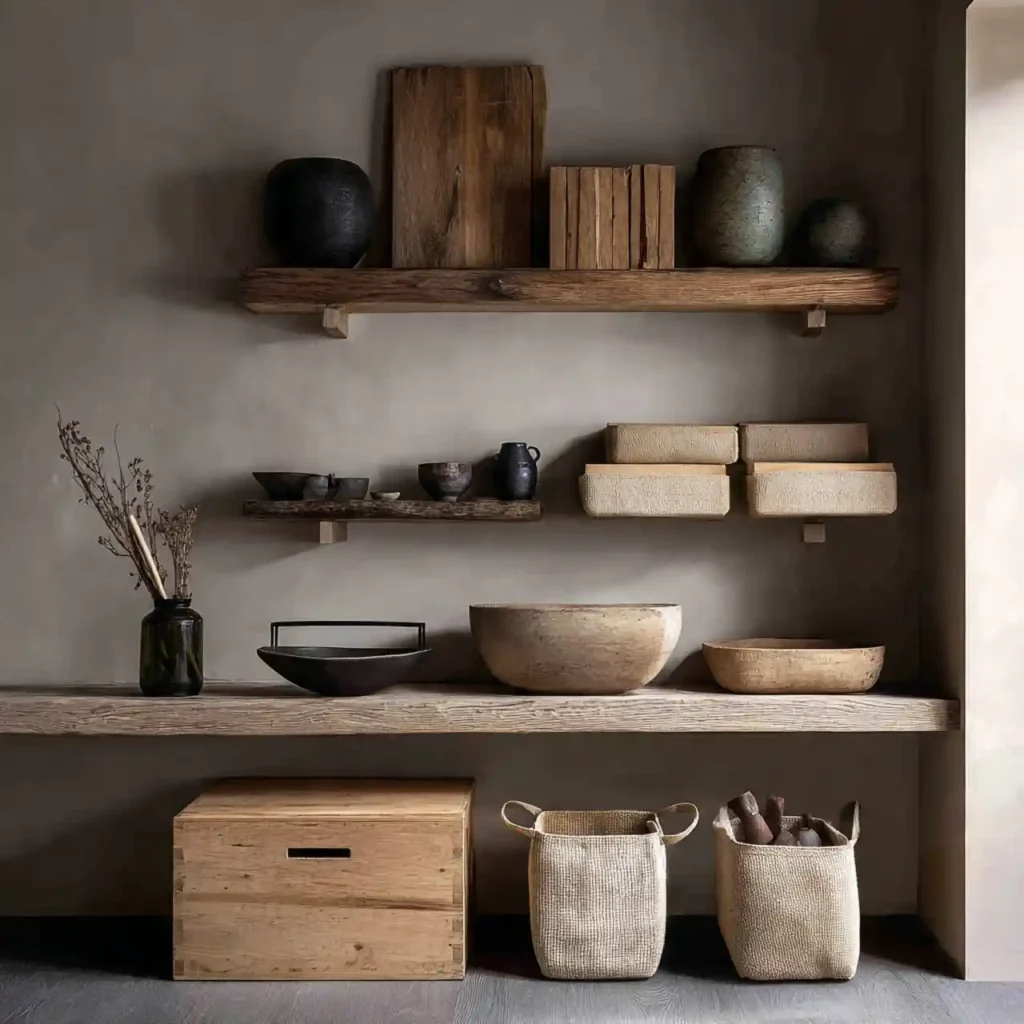
23. Neutral Curtains with Soft Draping
Curtains should filter light gently. Linen or cotton fabrics add texture. Neutral hues maintain serenity.
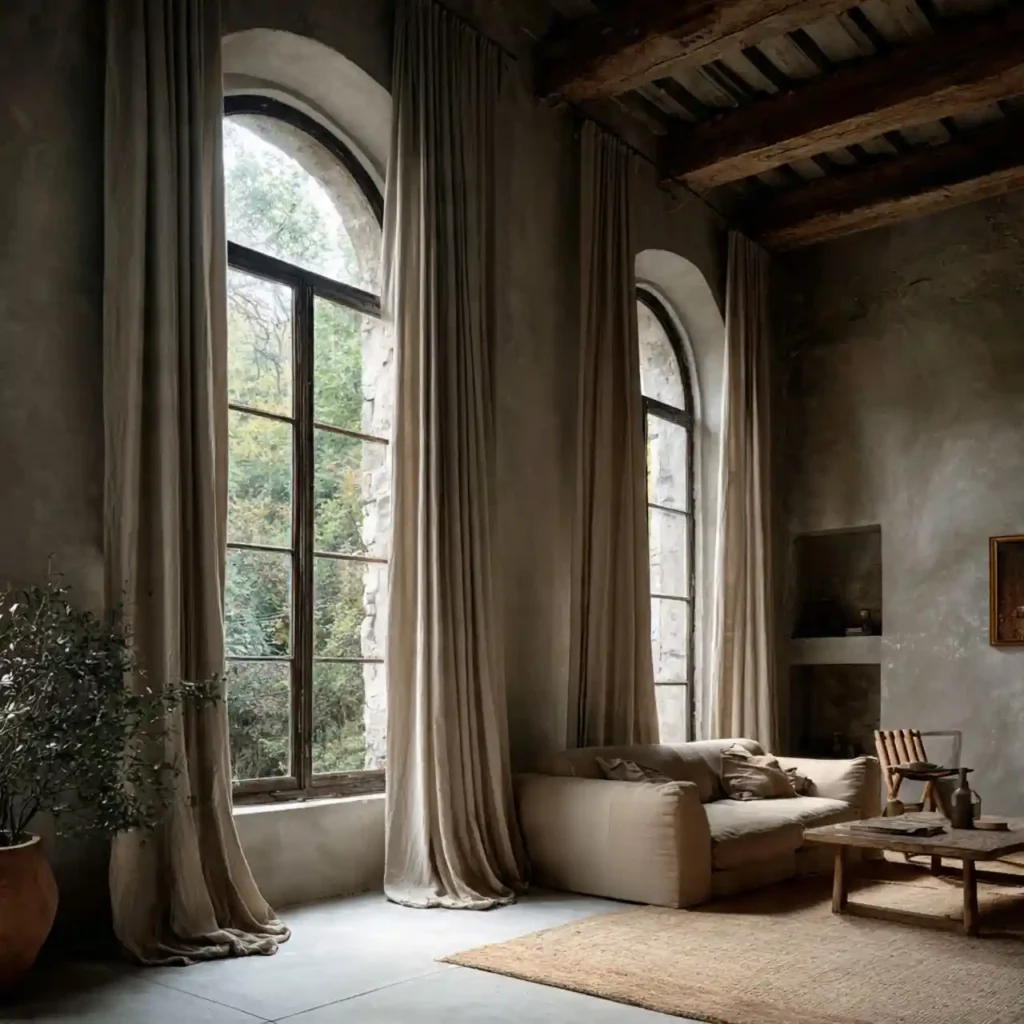
24. Earthy Scent Elements
Natural scents like wood, clay, or herbal notes enhance atmosphere. Candles or incense add sensory calm. Keep them subtle.
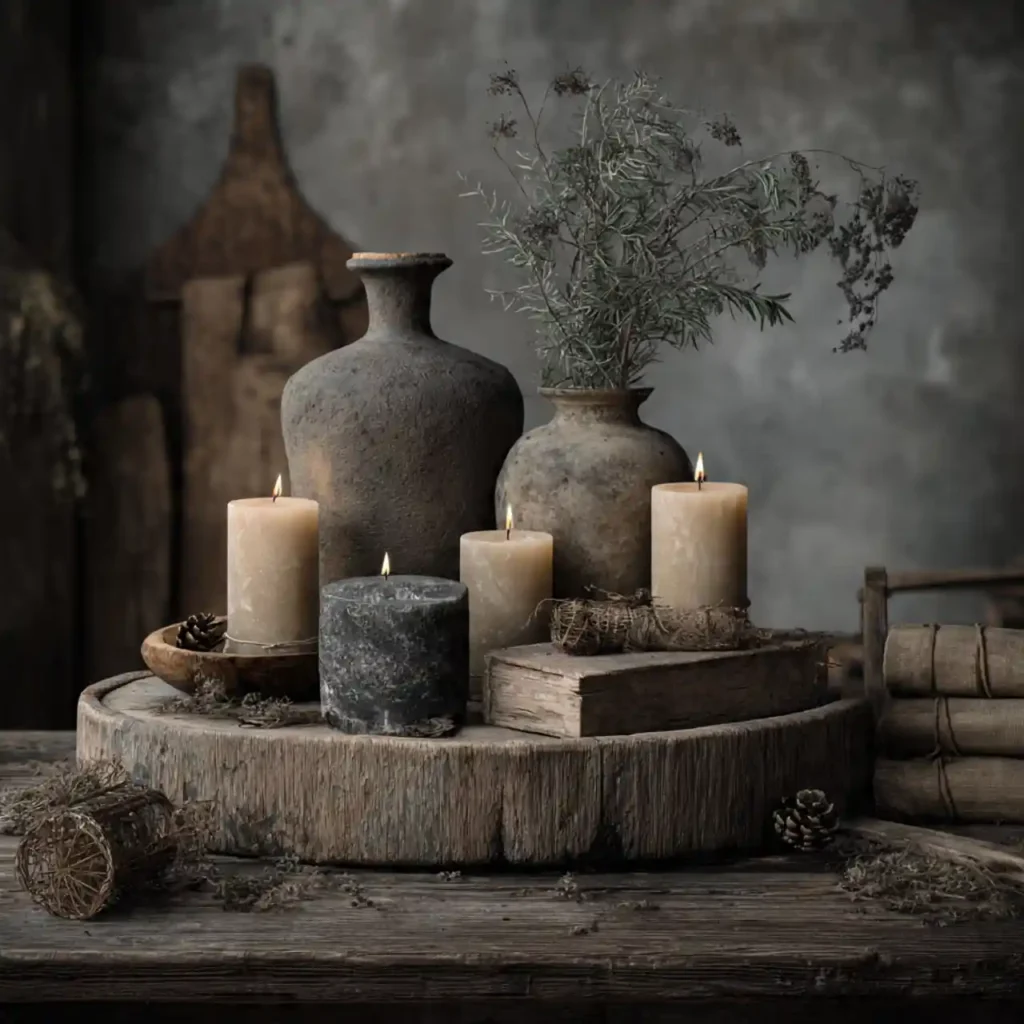
25. Wabi-Sabi Décor with Subtle Contrast
Layer light and dark neutrals for depth. Contrast should feel natural, not bold. This adds sophistication quietly.
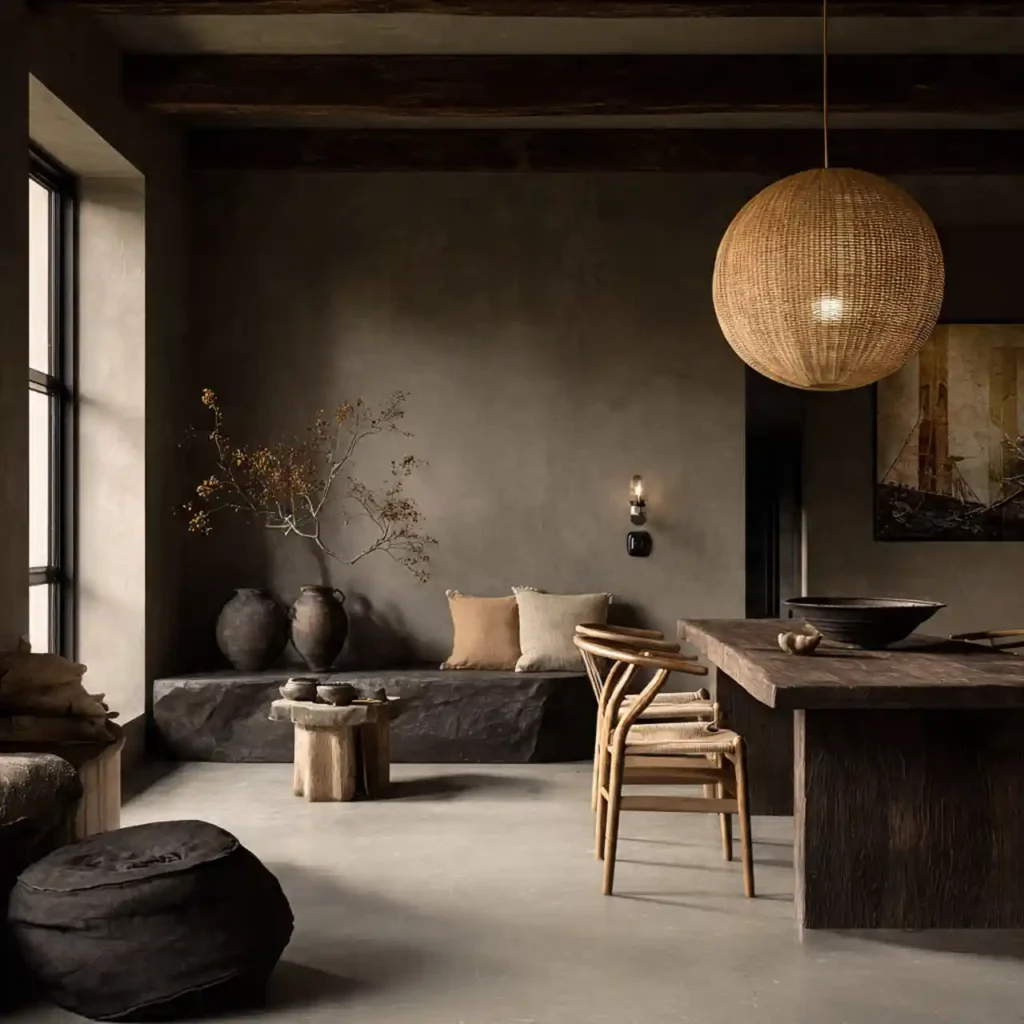
26. Natural Wood Room Dividers
Wood dividers create flow without closing spaces. Their simplicity reflects Japanese architecture. Earthy finishes enhance calm.
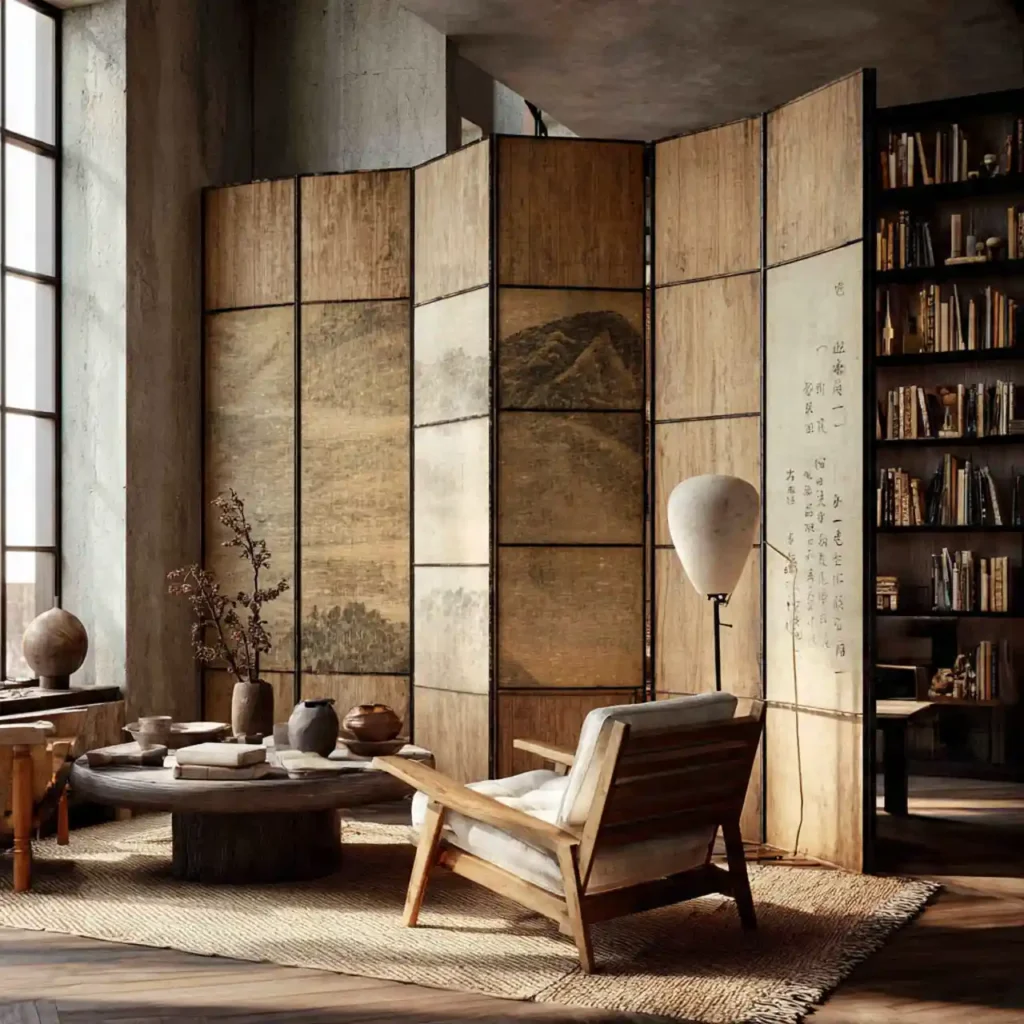
27. Wabi-Sabi Décor with Vintage Pieces
Vintage décor adds history and soul. Signs of wear are celebrated. Choose pieces with emotional value.
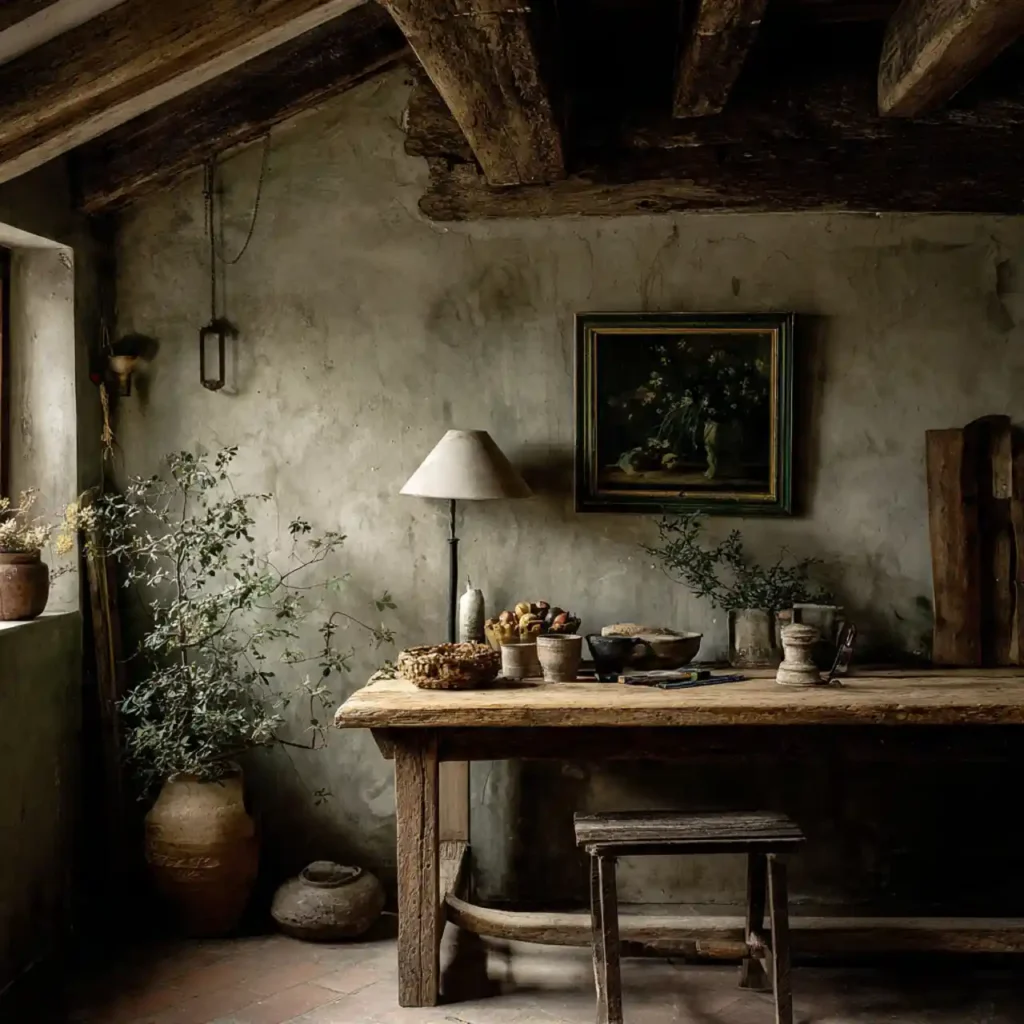
28. Soft & Matte Finishes
Matte surfaces reduce glare and visual noise. They enhance earthy materials naturally. Ideal for walls and furniture.
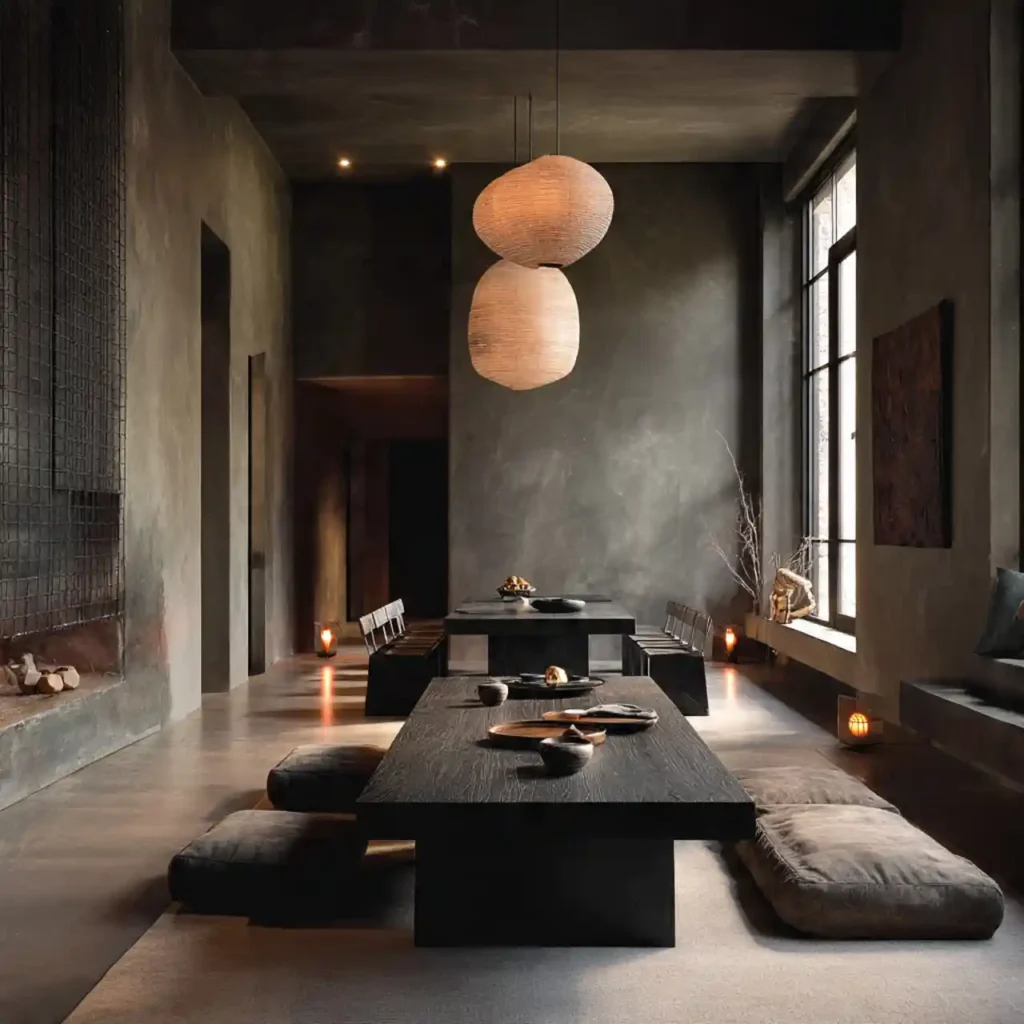
29. Natural Light as a Design Element
Natural light highlights textures and imperfections. Sheer coverings enhance brightness. This creates openness and warmth.
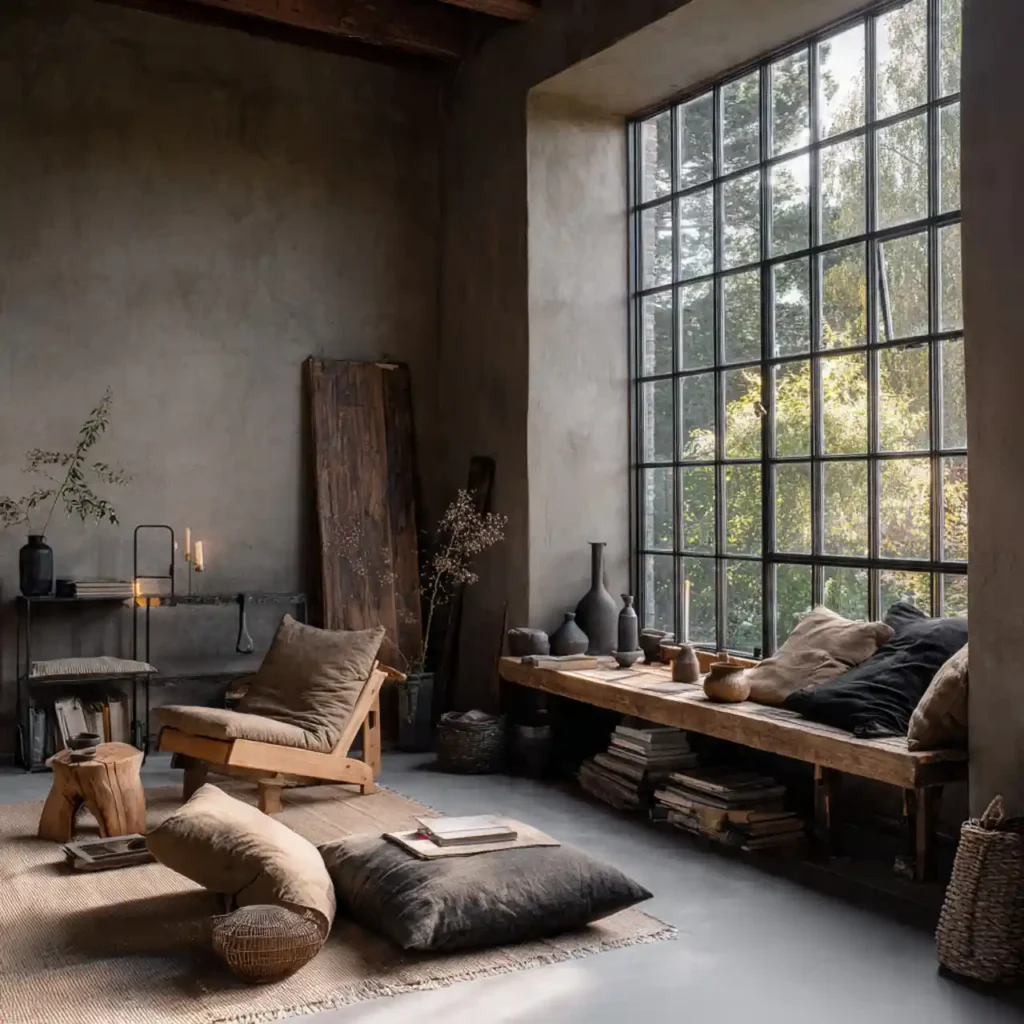
30. Timeless Wabi-Sabi Home Décor
A timeless wabi-sabi home prioritizes authenticity over perfection. Natural materials and thoughtful design ensure longevity. This creates a peaceful & meaningful living environment.
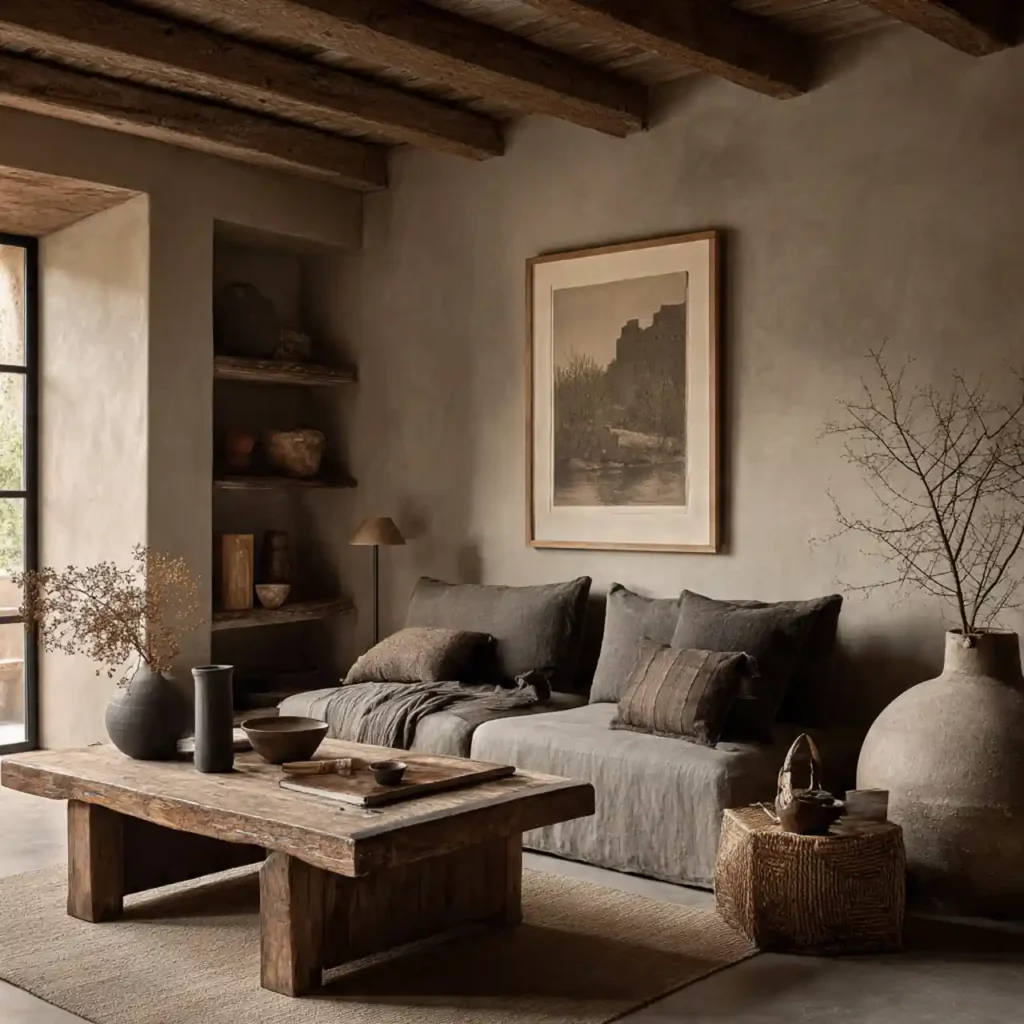
Final Thoughts: Wabi-Sabi Home Decor Ideas
Wabi-sabi home décor offers a mindful alternative to fast-changing trends by embracing simplicity, imperfection, and natural beauty. Through earthy tones, organic materials, and intentional design, these interiors support calm, comfort, and authenticity. These 30 Wabi-Sabi Home Decor ideas provide lasting inspiration for creating a peaceful, minimal, and earthy home aligned with 2026 design values.