30 Wabi-Sabi Living Room Ideas for Organic, Serene & Timeless Style
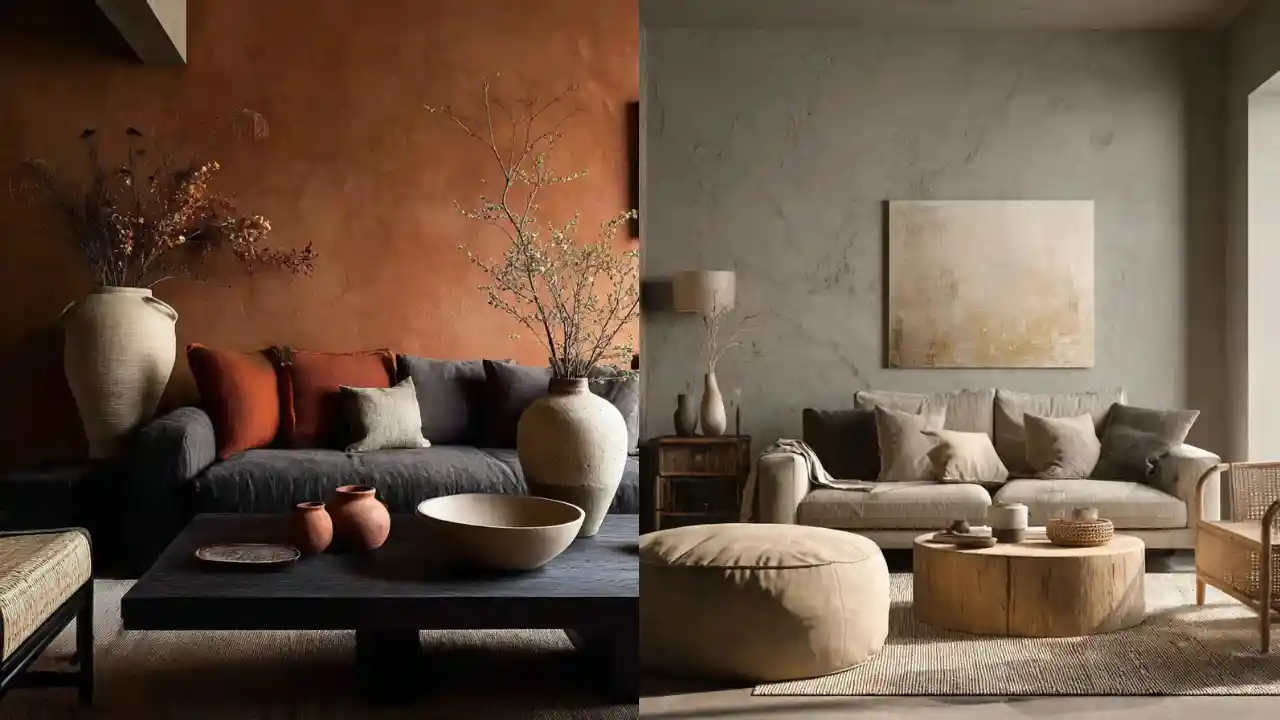
The wabi-sabi living room is a sanctuary of calm, authenticity, and understated beauty. Rooted in Japanese philosophy, wabi-sabi design embraces imperfection, natural aging, and simplicity; qualities that are increasingly valued in modern homes. These 30 wabi-sabi living room ideas by The Interior Bloom that will help you to design a space that feels organic, peaceful, and enduring.
A wabi-sabi living room prioritizes natural materials, earthy tones, and thoughtful negative space. Instead of focusing on trends, it celebrates craftsmanship, texture, and emotional connection. From raw wood furniture to soft neutral textiles, each element contributes to a serene atmosphere that supports mindful living.
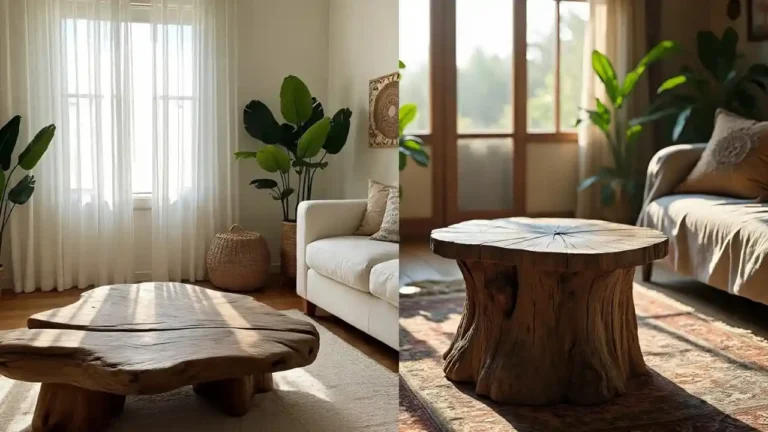
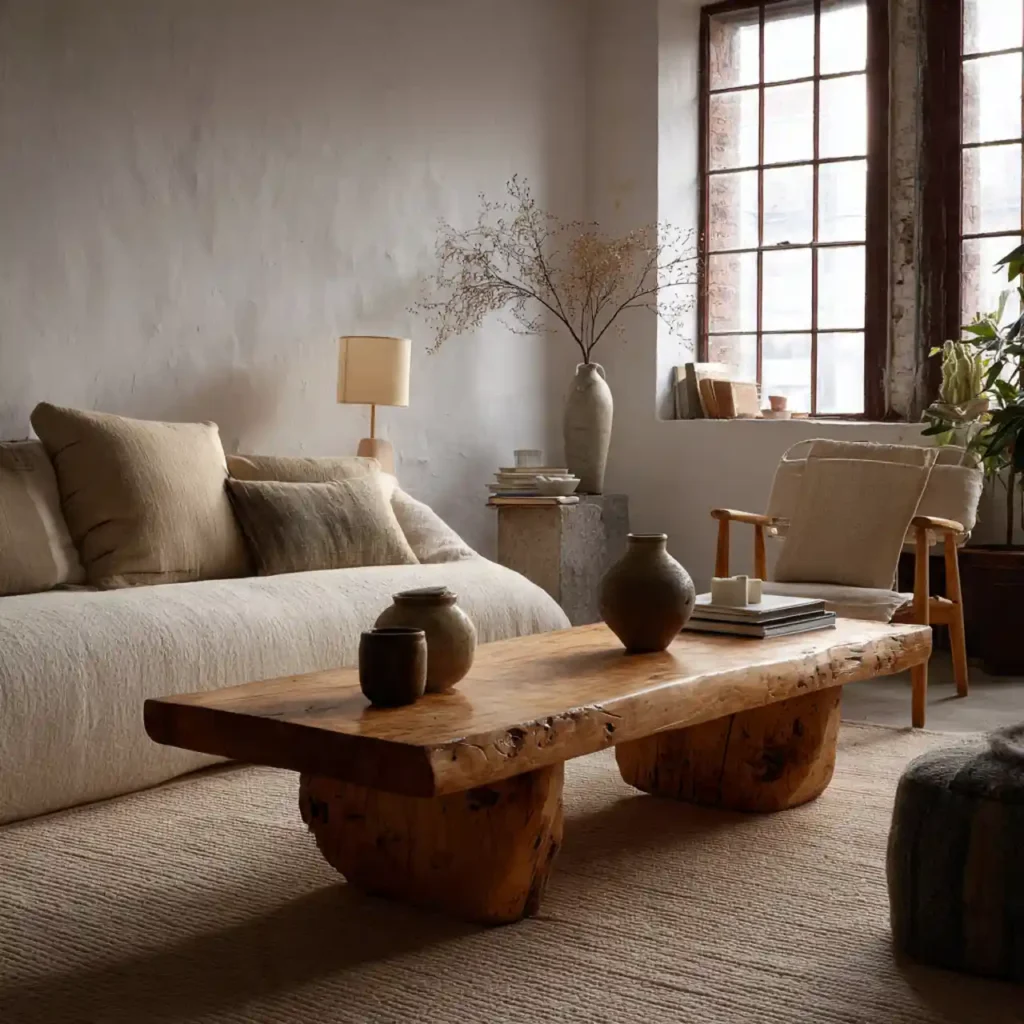
1. Natural Wood Coffee Tables
A solid wood coffee table with visible grain anchors the living room. Imperfections and knots add warmth and authenticity. Choose untreated or lightly finished wood for a natural look.
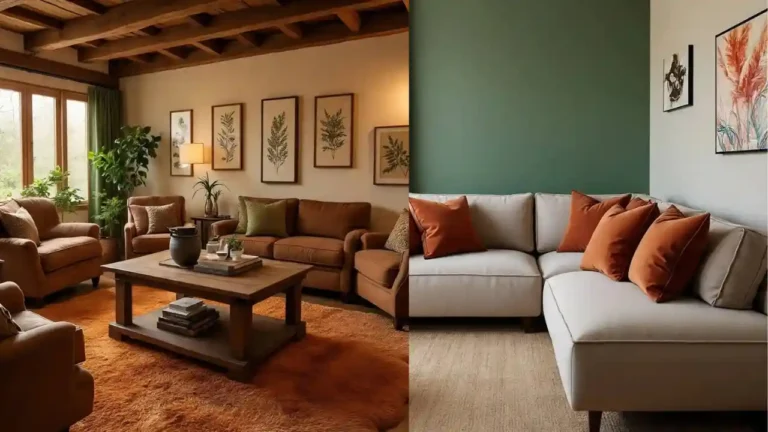
2. Earthy Neutral Color Palette
Soft whites, warm beige, clay, and stone tones create a calm foundation. These colors allow textures to shine without distraction. Earthy neutrals enhance serenity and balance.
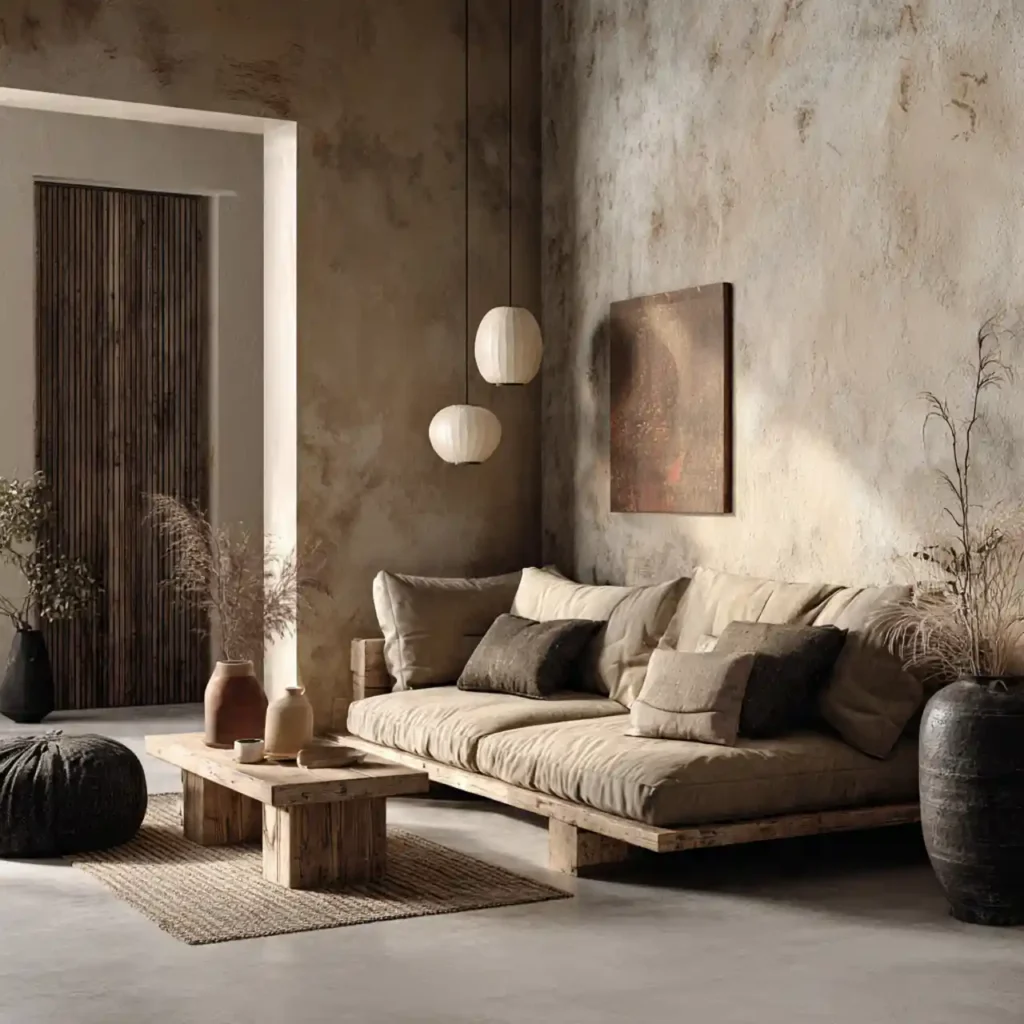
3. Low-Profile Seating
Low sofas and lounge chairs reflect Japanese influence. They visually open the space and promote grounding. Simple silhouettes maintain a tranquil aesthetic.
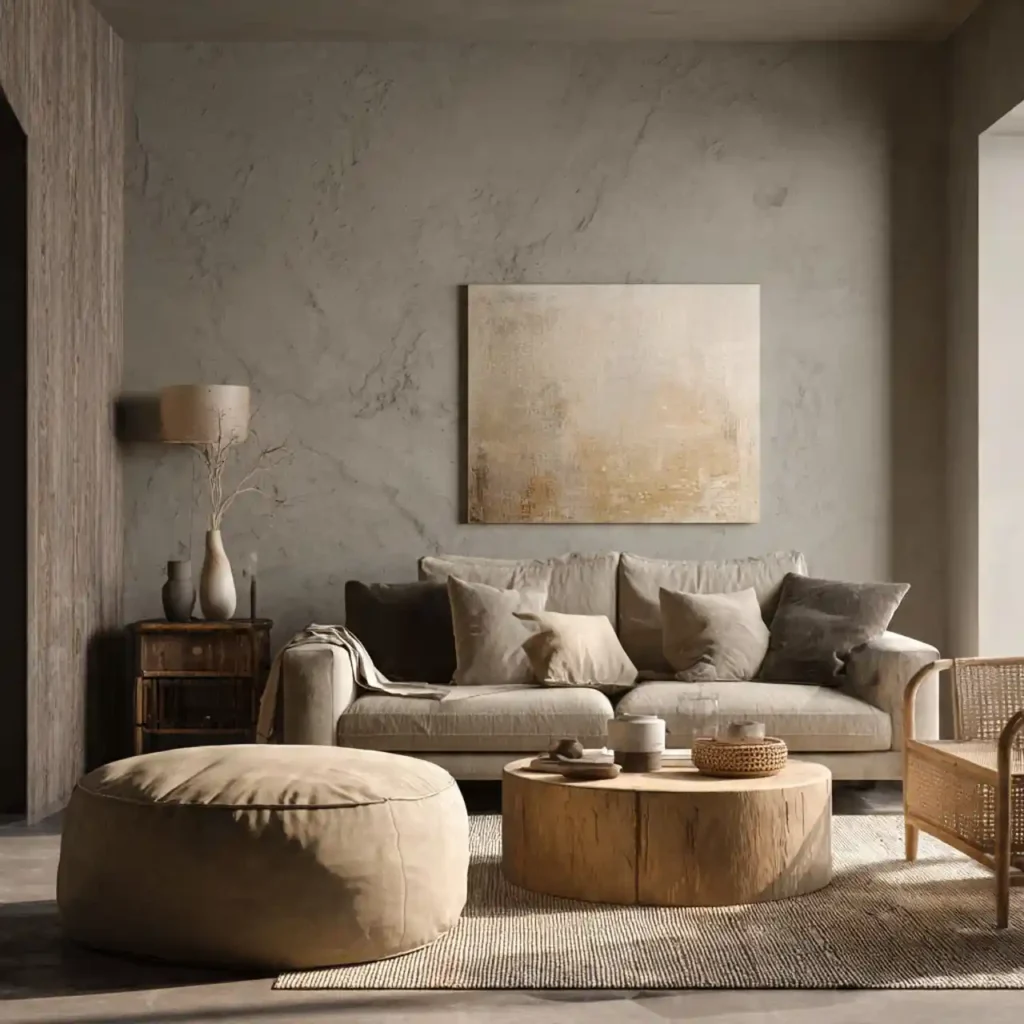
4. Linen Upholstered Sofas
Linen upholstery adds softness and breathability. Its slightly wrinkled texture aligns perfectly with wabi-sabi values. Neutral shades enhance timeless appeal.
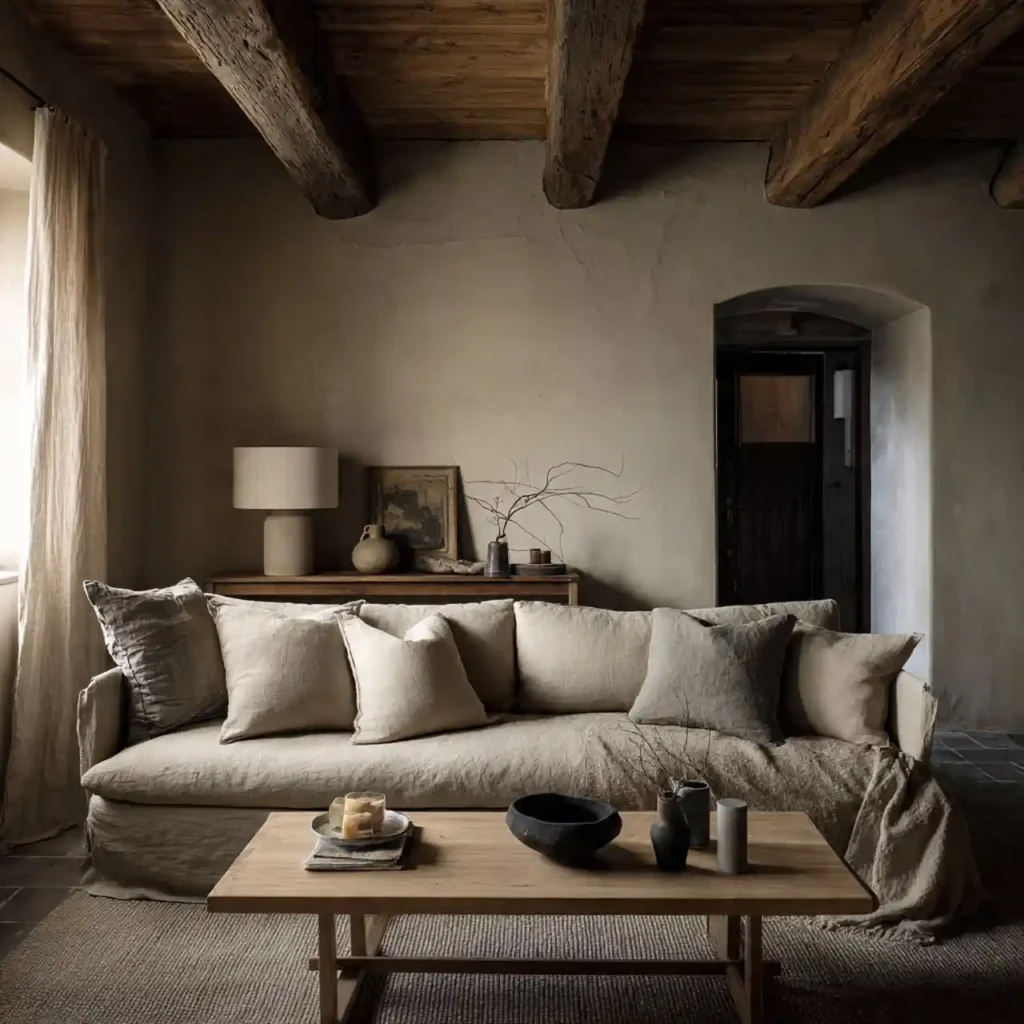
5. Textured Plaster Walls
Plaster or limewash walls introduce subtle movement and depth. Their imperfect finish creates visual interest without ornamentation. Soft tones enhance calm.
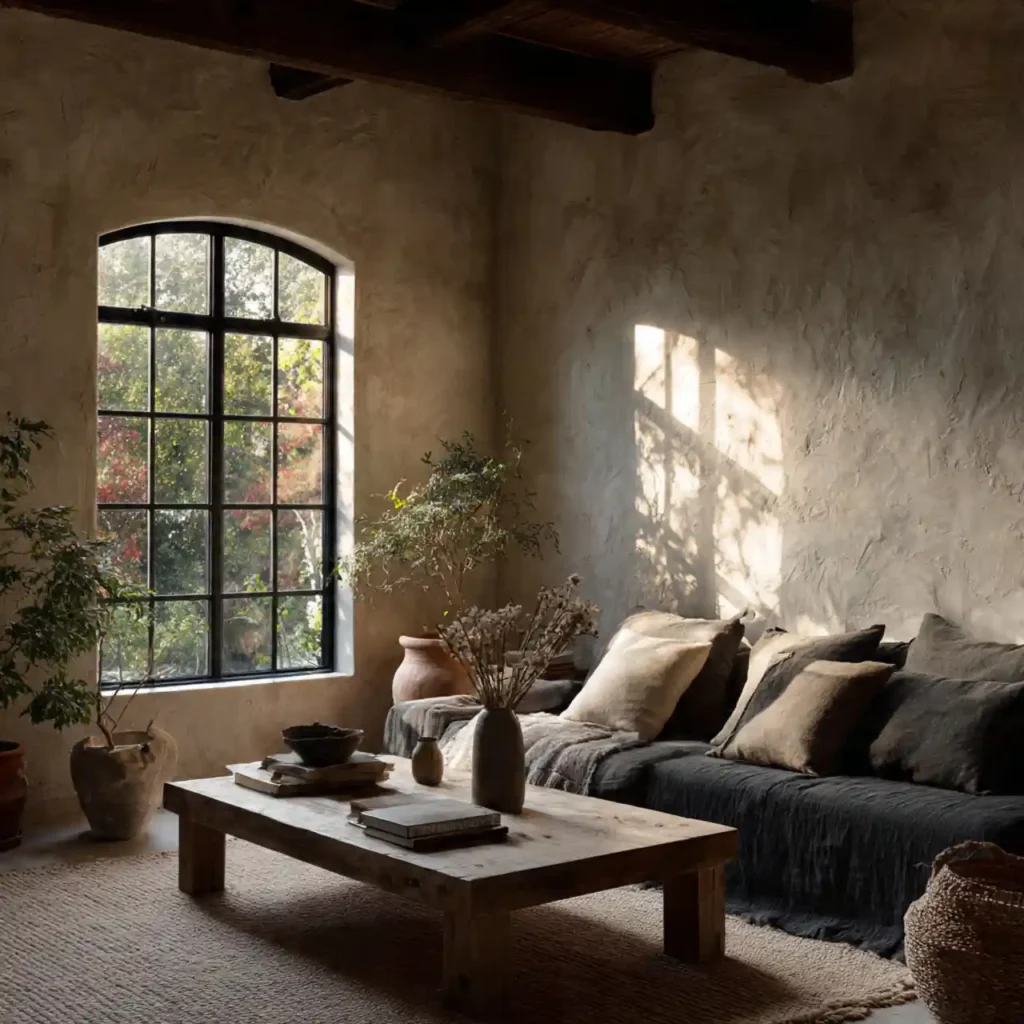
6. Minimal Wooden Shelving
Open wooden shelves keep the space airy and functional. Display only a few meaningful objects. Natural finishes reinforce organic simplicity.
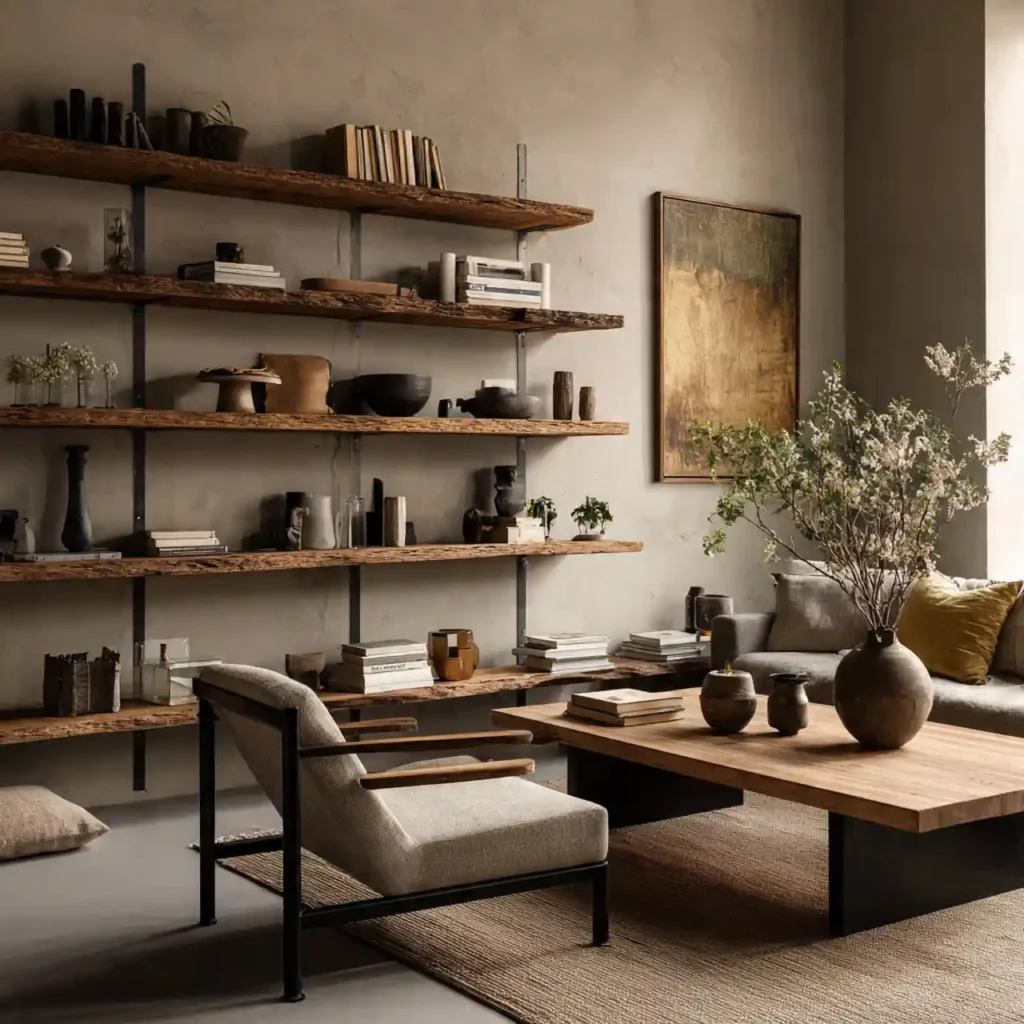
7. Natural Fiber Rugs
Wool, jute, or cotton rugs add warmth underfoot. Their organic texture grounds the seating area. Neutral hues maintain visual harmony.
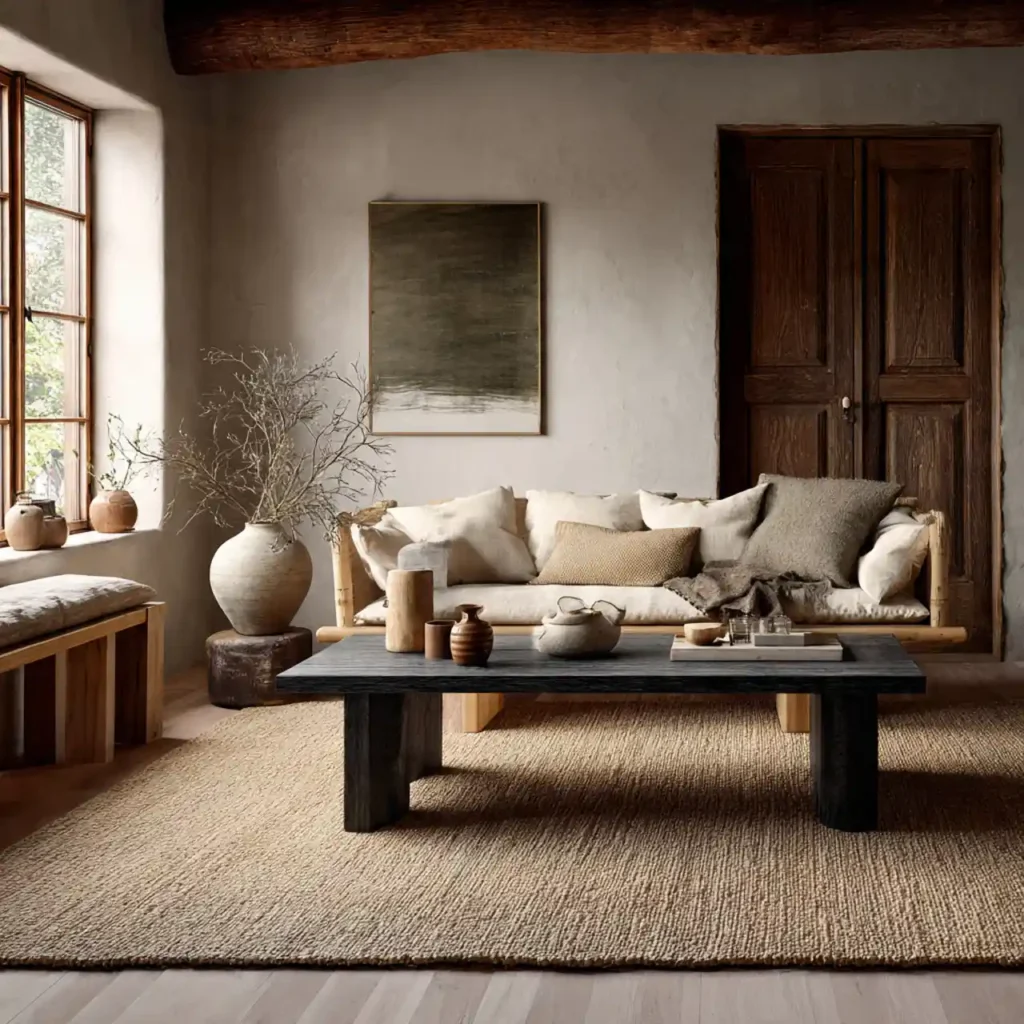
8. Handmade Ceramic Accents
Ceramic vases and bowls add artisanal charm. Uneven shapes and matte finishes reflect craftsmanship. Use sparingly for balance.
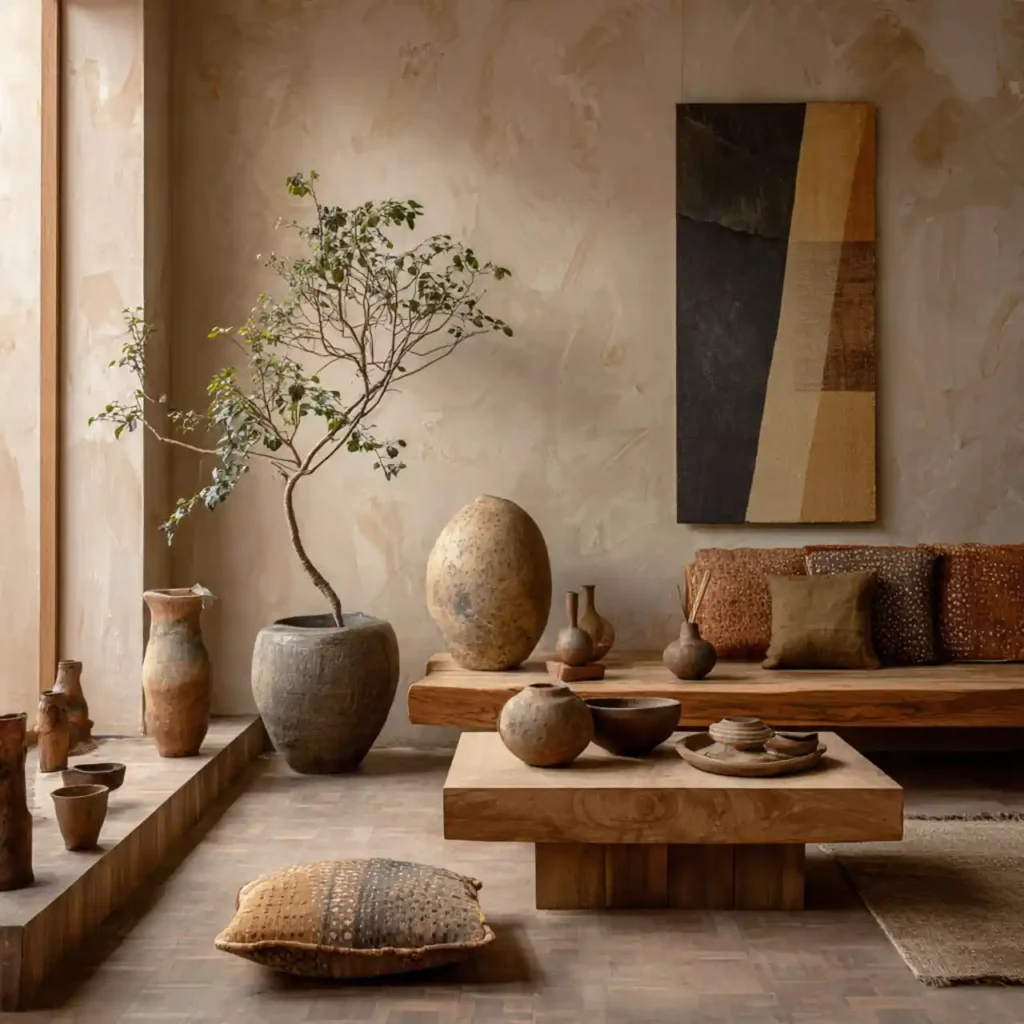
9. Soft Ambient Lighting
Warm & diffused lighting enhances the serene mood. Avoid harsh overhead lights. Lamps and indirect sources create intimacy.
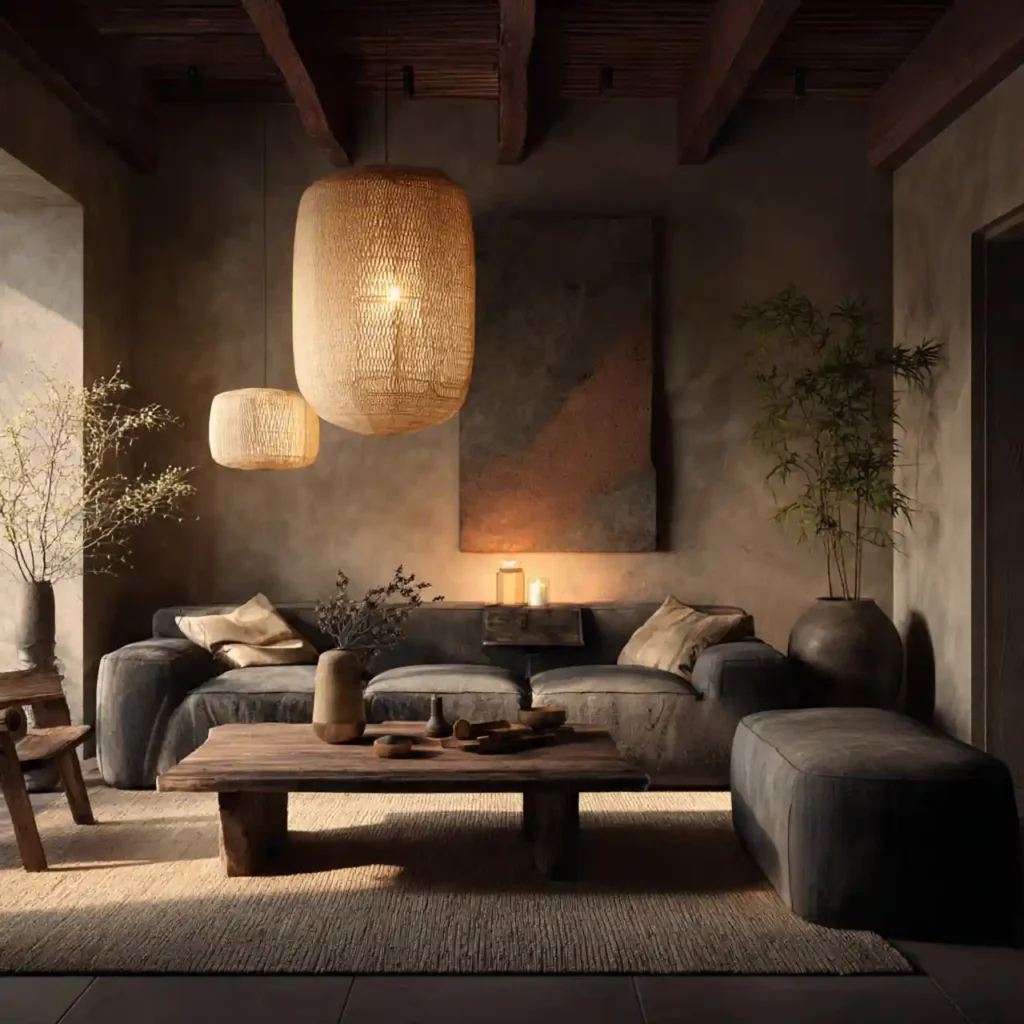
10. Paper Lantern Lighting
Paper lanterns provide gentle illumination. Their lightweight appearance softens the space. This adds a subtle Japanese touch.
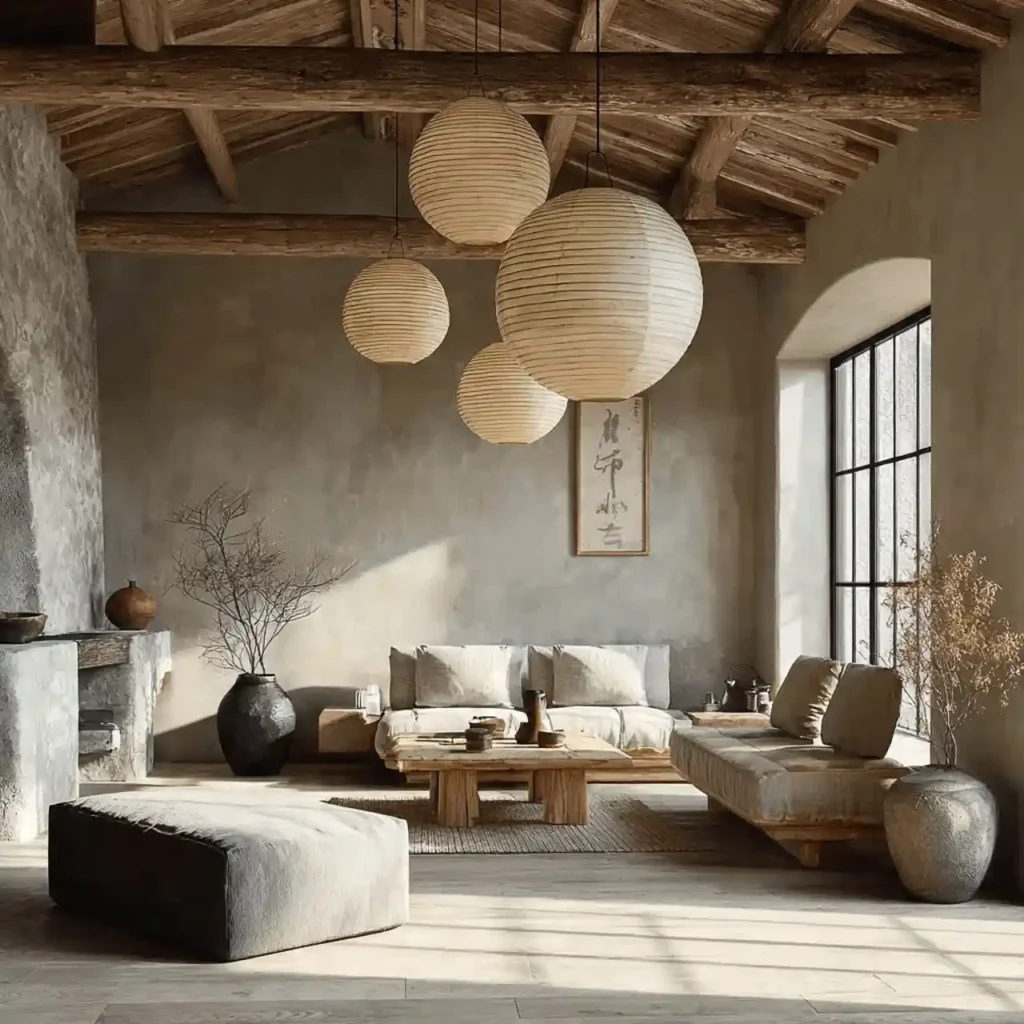
11. Indoor Plants with Organic Forms
Plants introduce life and movement. Choose species with natural & flowing shapes. Keep arrangements minimal and intentional.
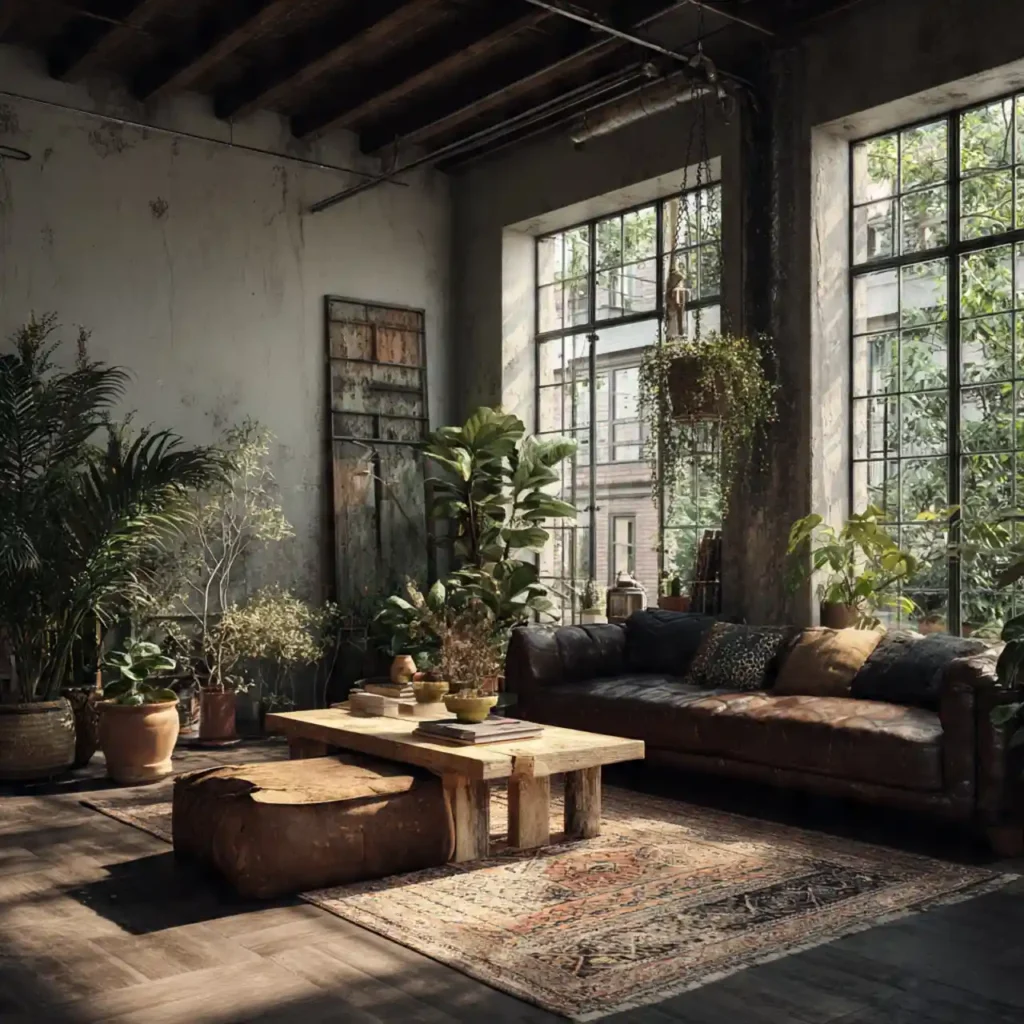
12. Raw Stone Accents
Stone elements add grounding texture. Use stone trays, side tables, or sculptural pieces. Earthy tones enhance depth.
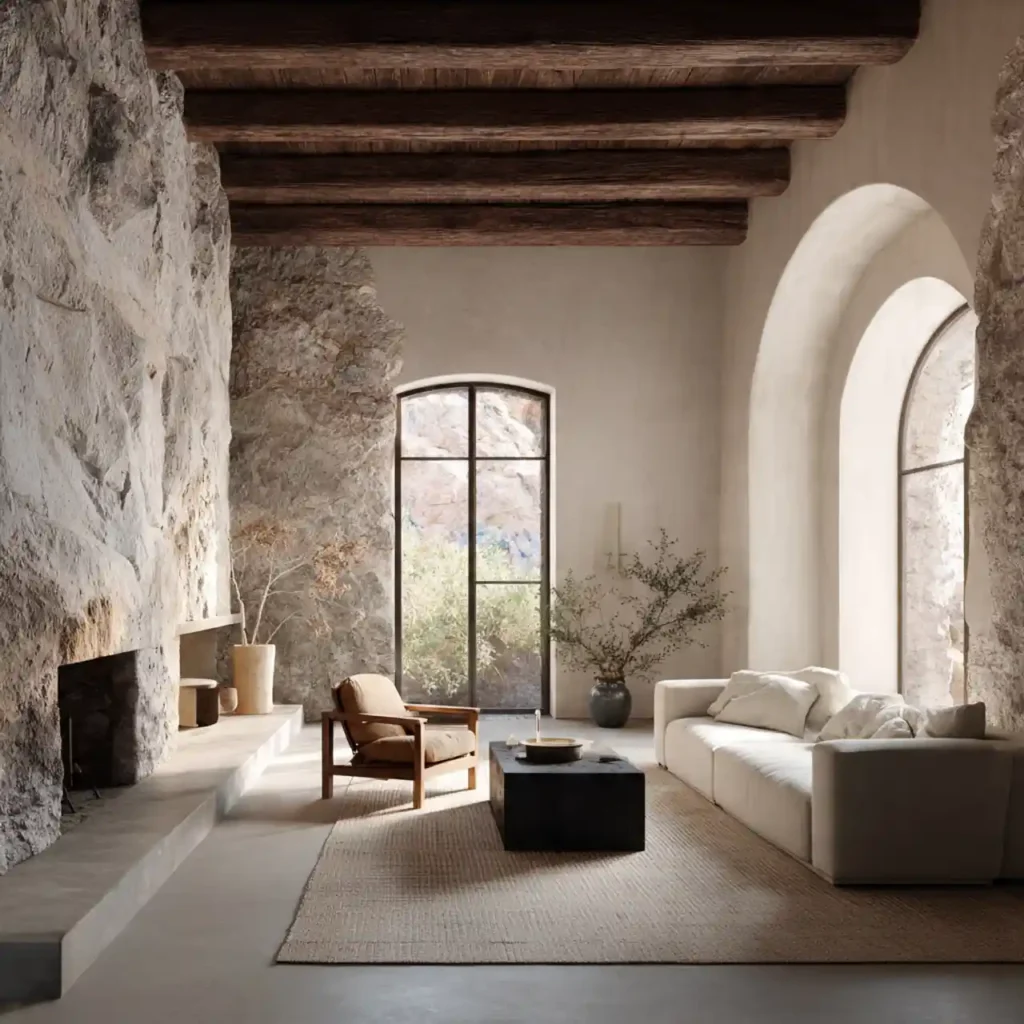
13. Matte Finish Furniture
Matte finishes reduce glare and visual noise. They allow materials to feel soft and organic. Ideal for wood and stone surfaces.
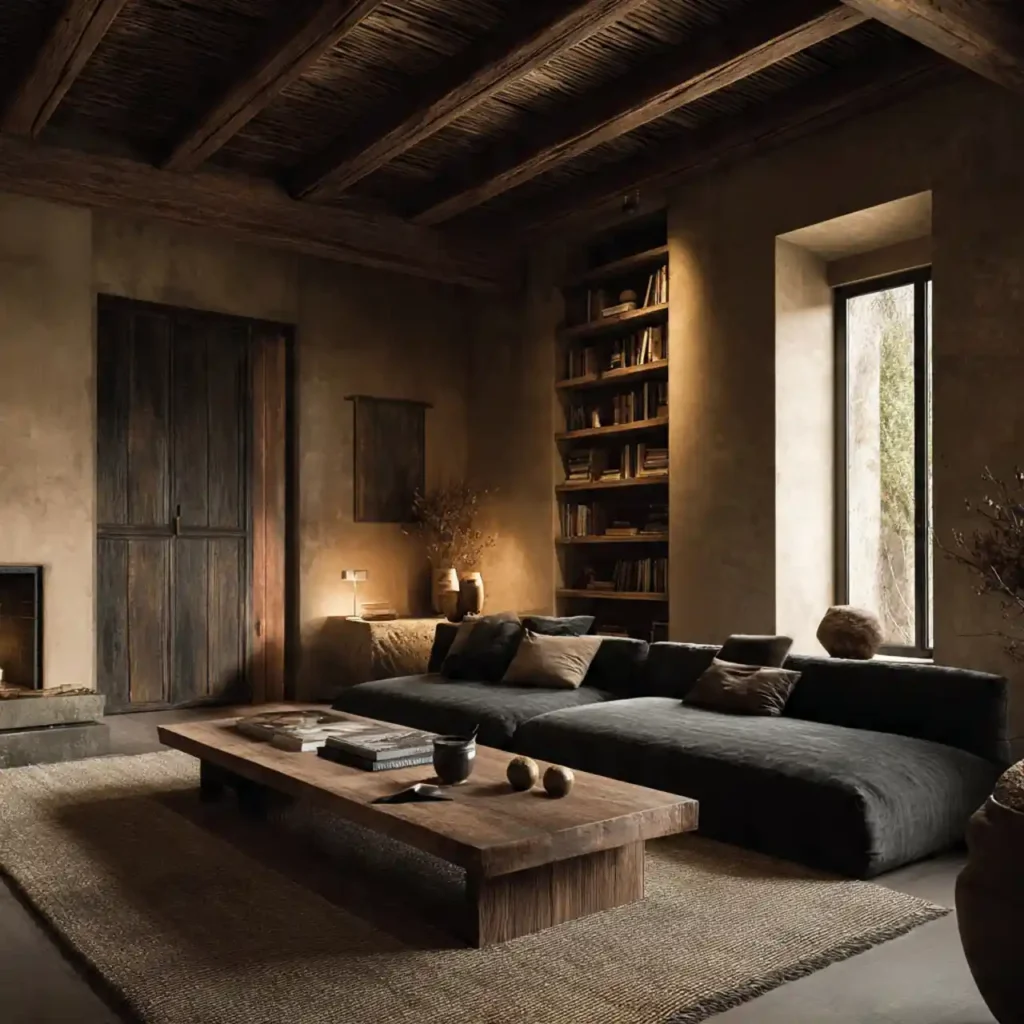
14. Vintage or Aged Pieces
Vintage furniture brings history and soul. Signs of wear are celebrated, not hidden. These pieces add authenticity.
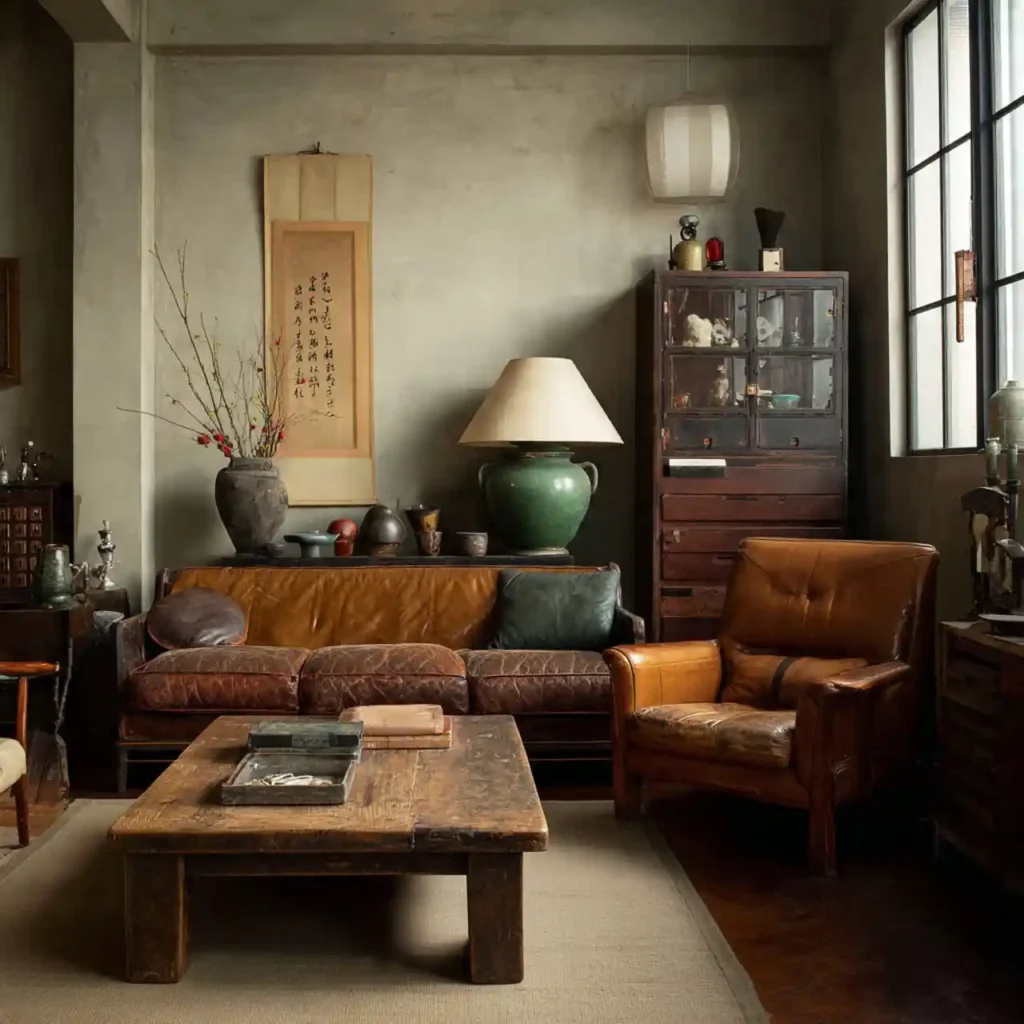
15. Neutral Curtains with Soft Draping
Linen or cotton curtains filter natural light gently. Their relaxed drape adds softness. Neutral colors maintain calm.
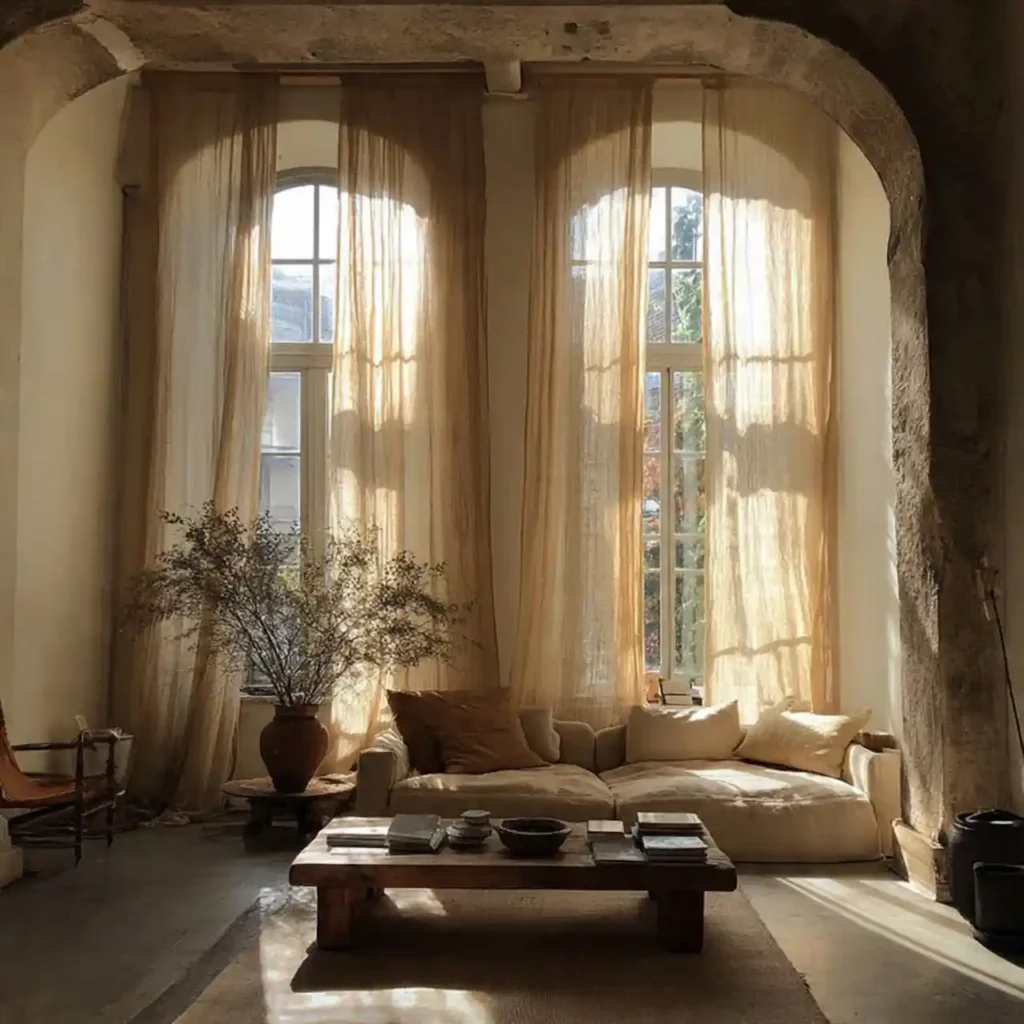
16. Open & Uncluttered Layout
Negative space is essential to wabi-sabi design. Avoid overcrowding furniture. This creates visual breathing room.
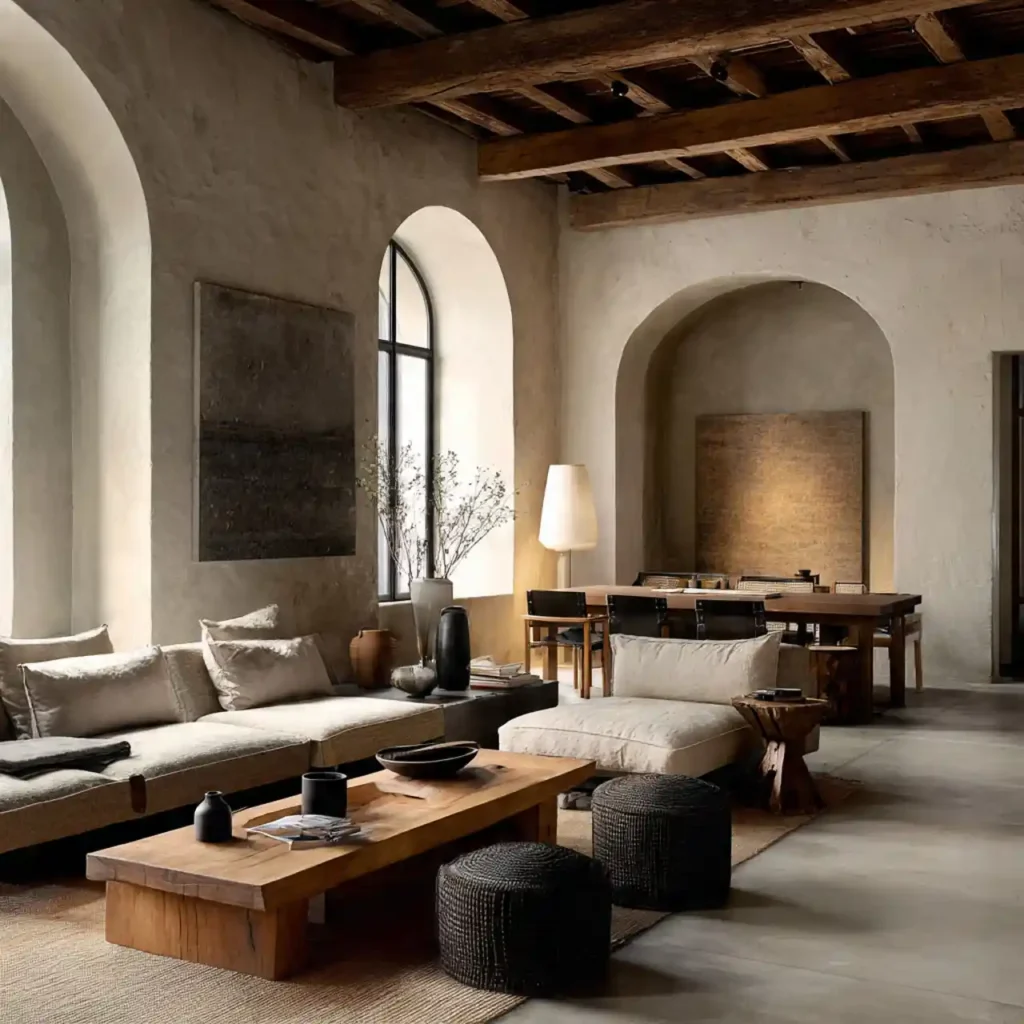
17. Organic-Shaped Decor Objects
Curved and irregular shapes soften straight lines. Handmade objects feel personal and unique. Earthy materials enhance warmth.
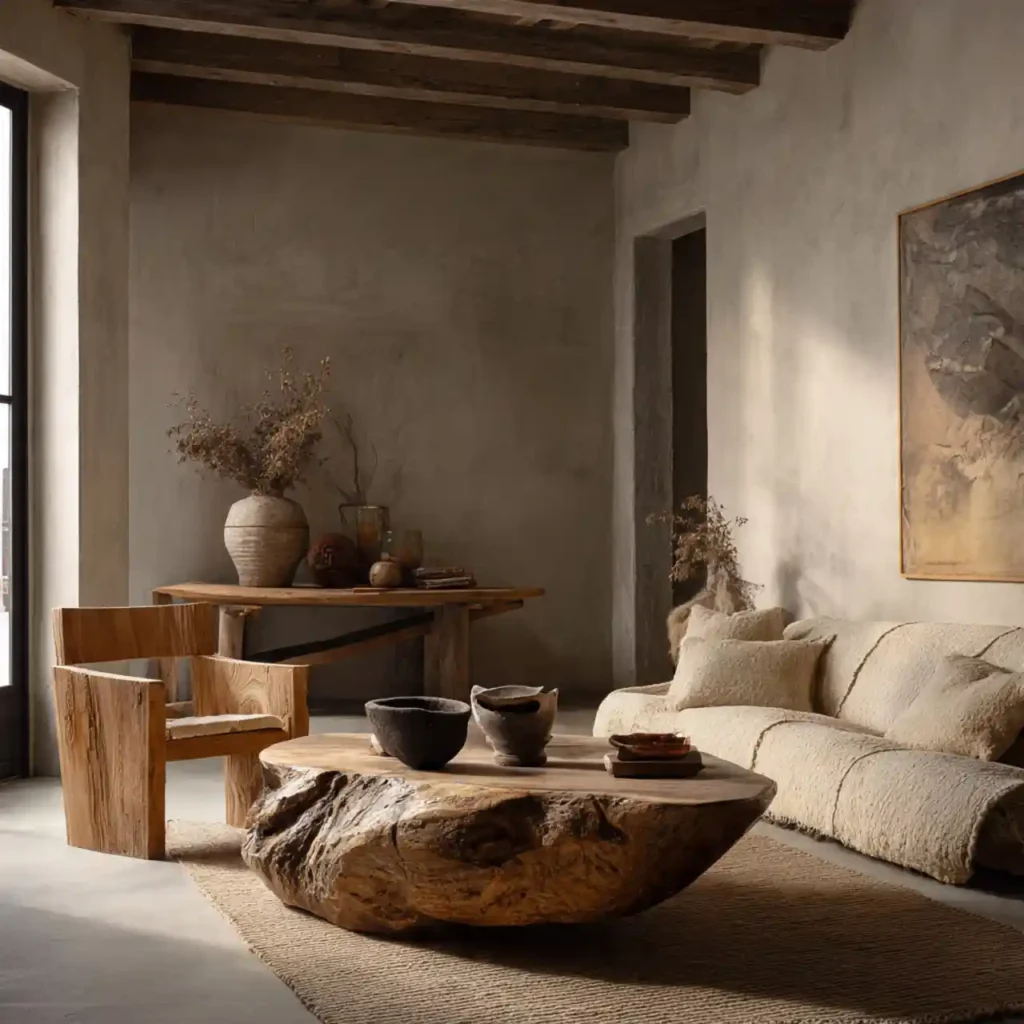
18. Wooden Ceiling Beams
Exposed beams add warmth overhead. Their natural texture grounds the space. Light wood keeps it airy.
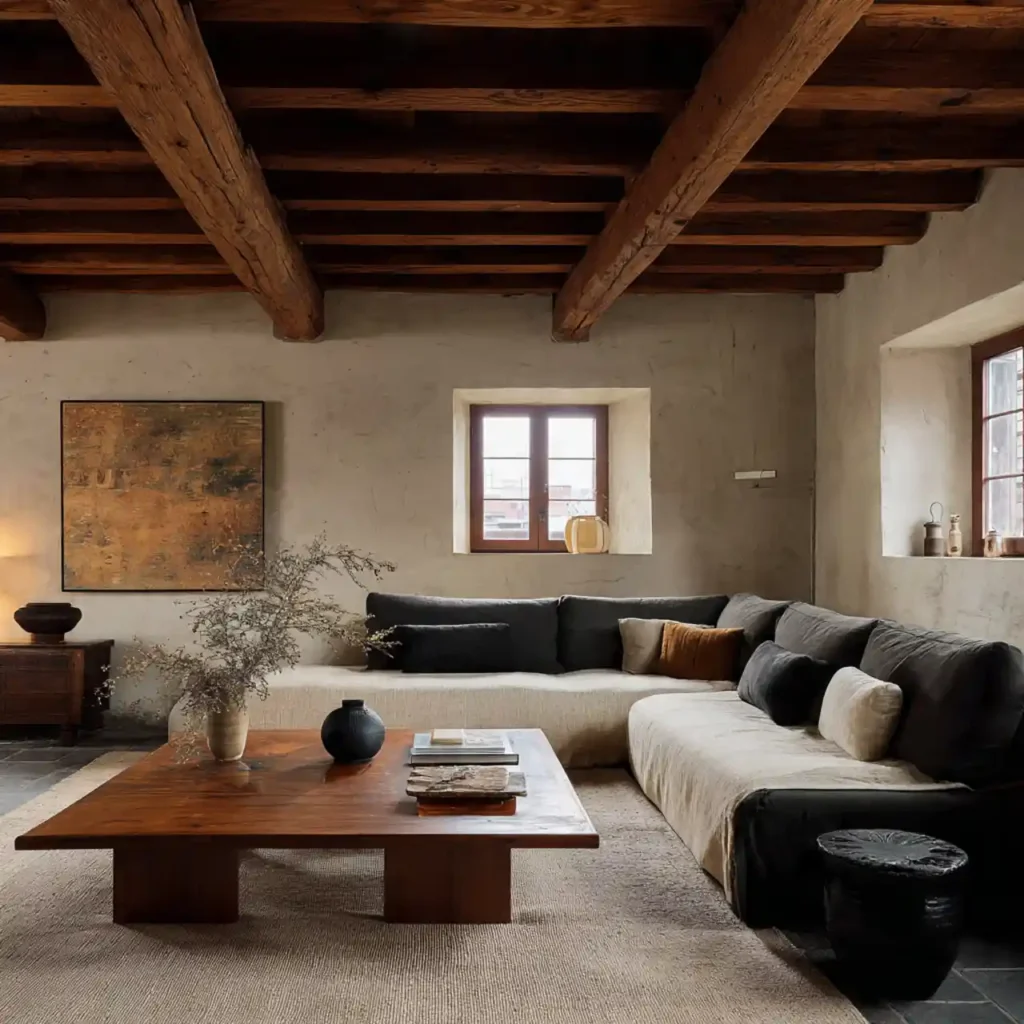
19. Subtle Layering of Textiles
Layer throws and cushions thoughtfully. Stick to a neutral palette with varied textures. This adds comfort without clutter.
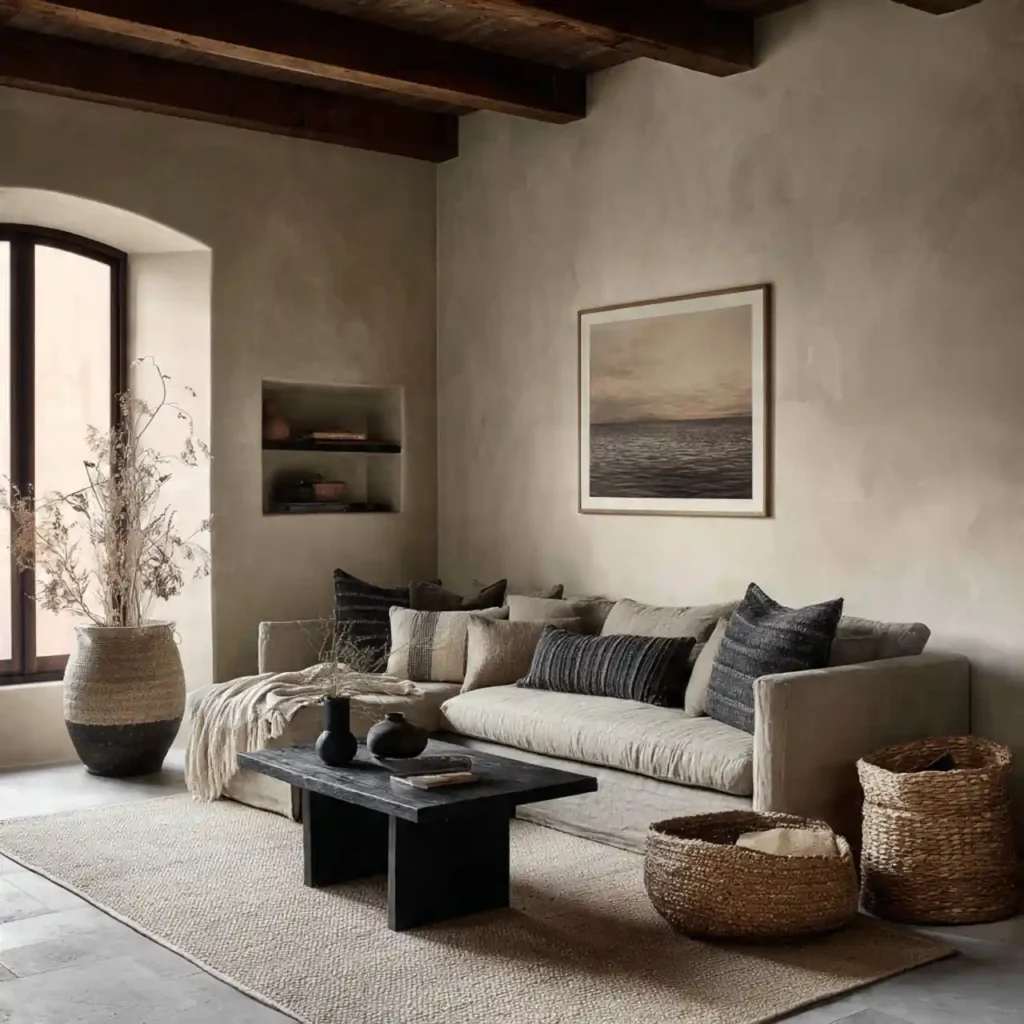
20. Clay and Terracotta Decor
Terracotta introduces warmth and earthiness. Use pots, bowls, or sculptural accents. Their raw texture fits perfectly.
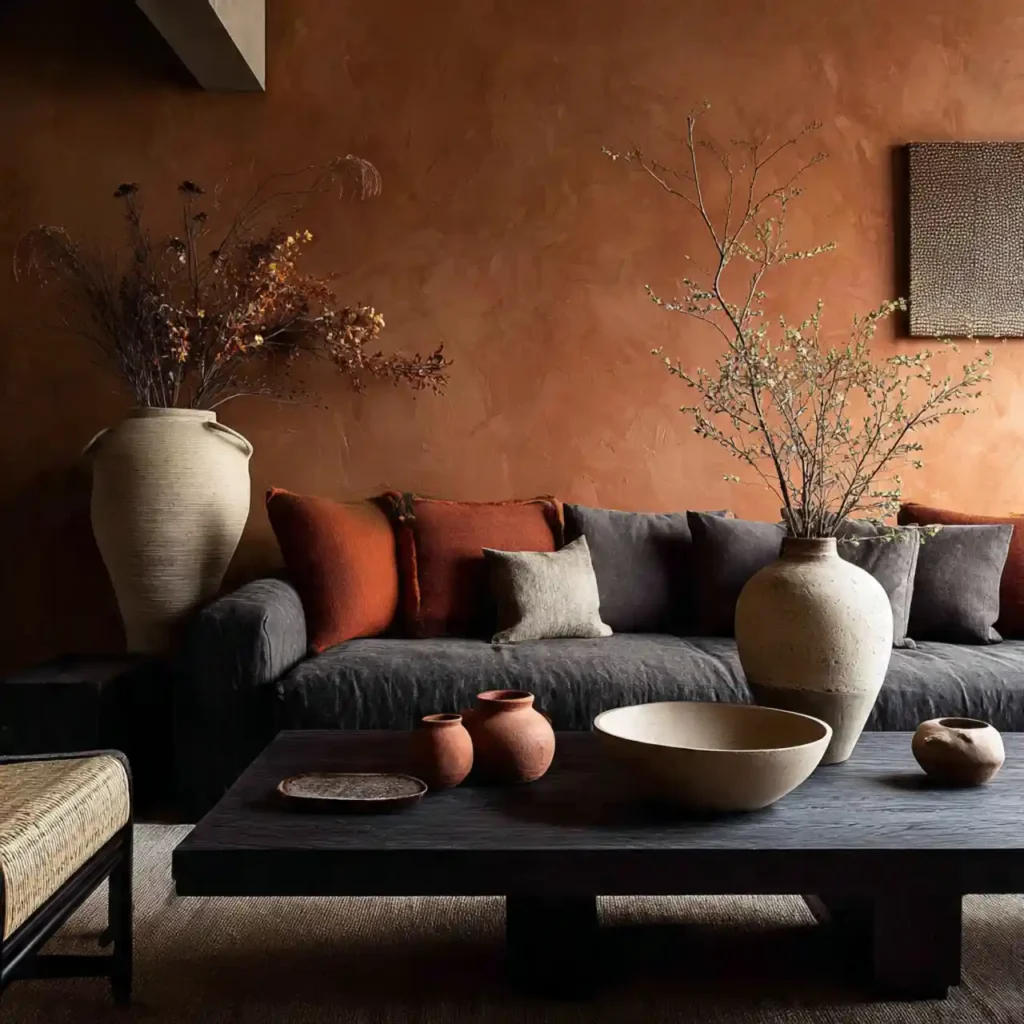
21. Minimal Nature-Inspired Art
Artwork should feel calm and understated. Abstract or landscape-inspired pieces work best. Keep frames simple.
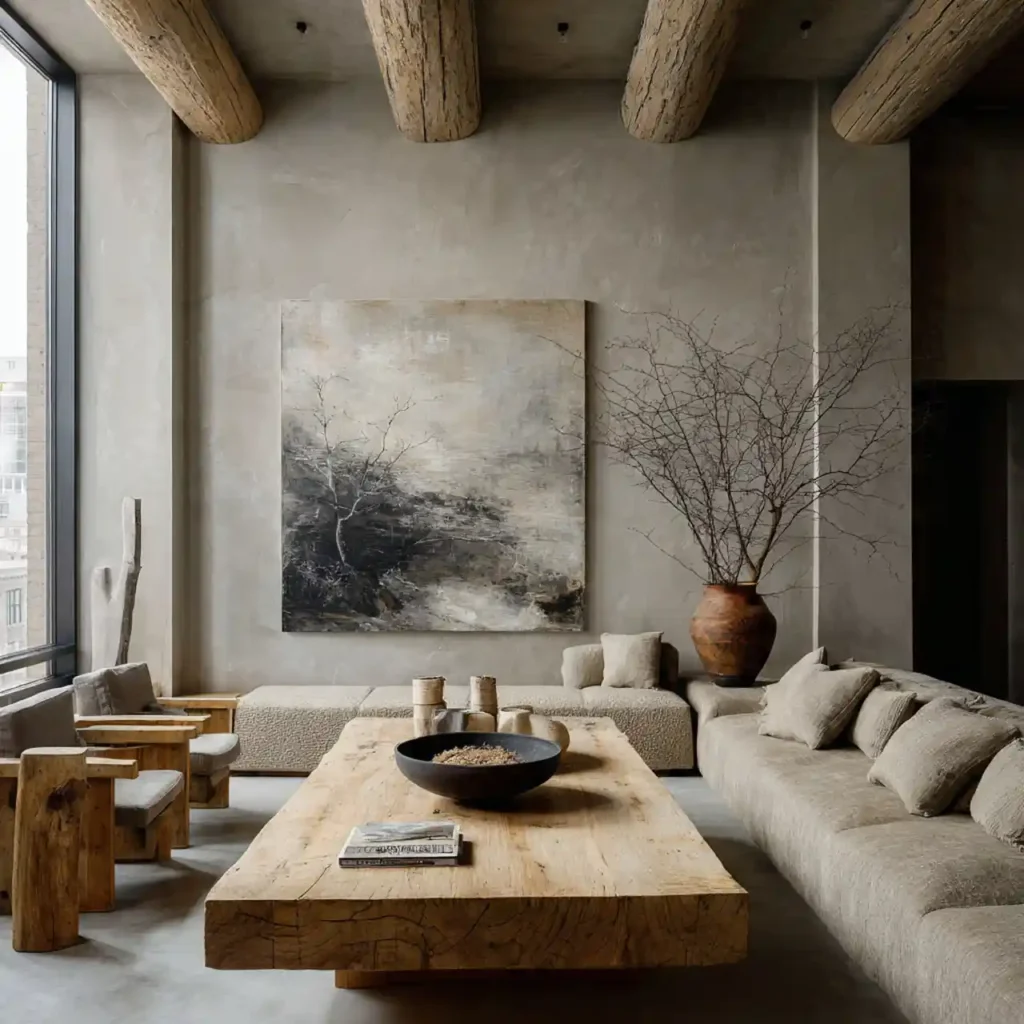
22. Wooden Room Dividers
Wooden dividers create gentle separation. They maintain openness while adding structure. Natural finishes enhance flow.
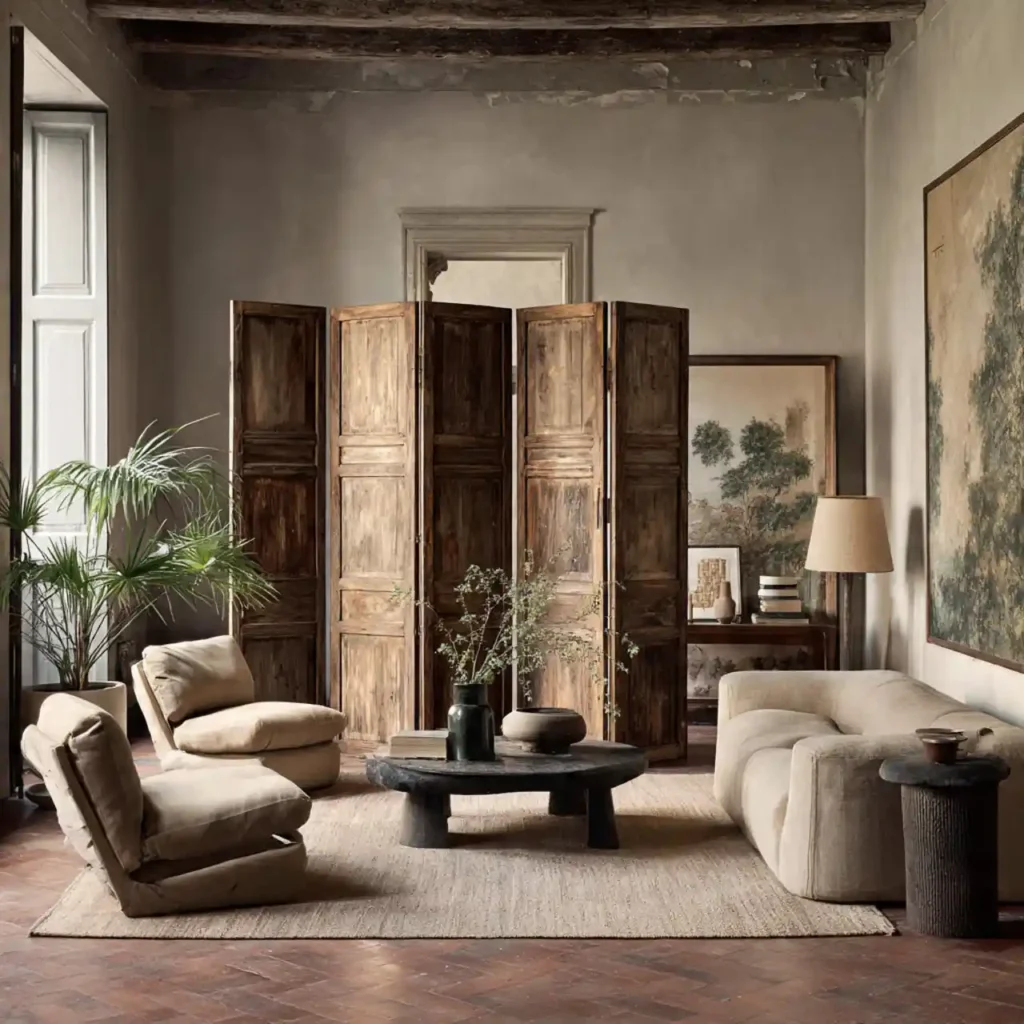
23. Earthy Scent Elements
Natural scents enhance the sensory experience. Candles, incense, or wood notes create calm. Keep fragrances subtle.
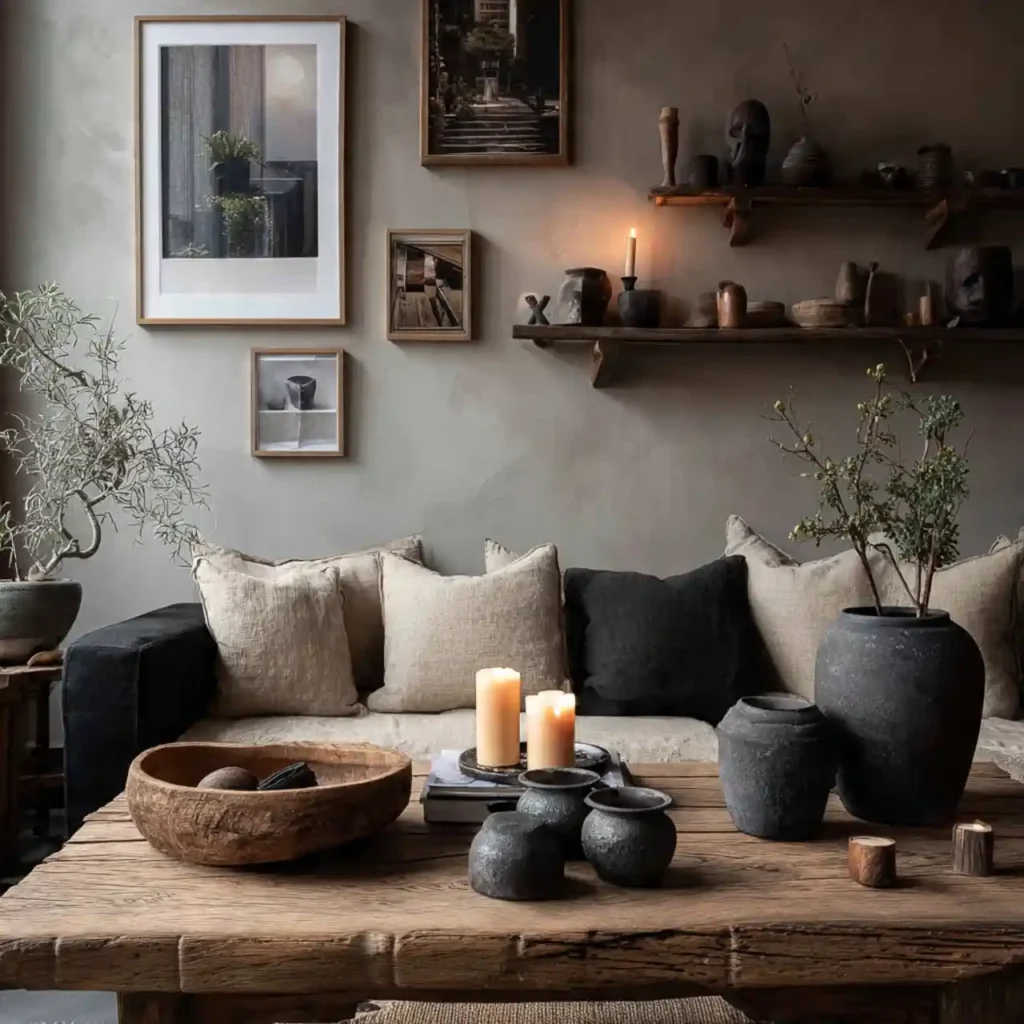
24. Low Wooden Side Tables
Low side tables complement grounded seating. Simple forms keep the space uncluttered. Natural wood adds warmth.
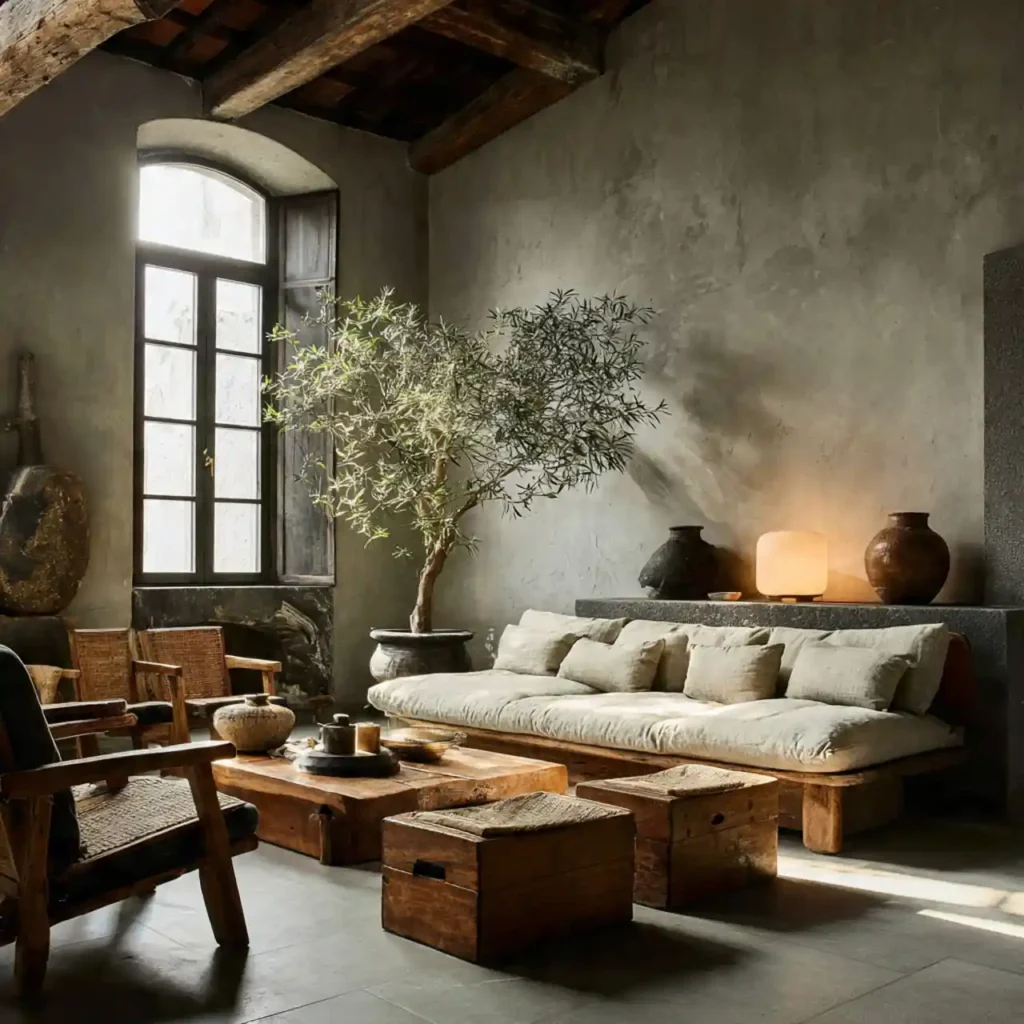
25. Soft Contrast with Dark Accents
Introduce contrast through dark wood or charcoal accents. Keep it subtle to maintain serenity. Balance is key.
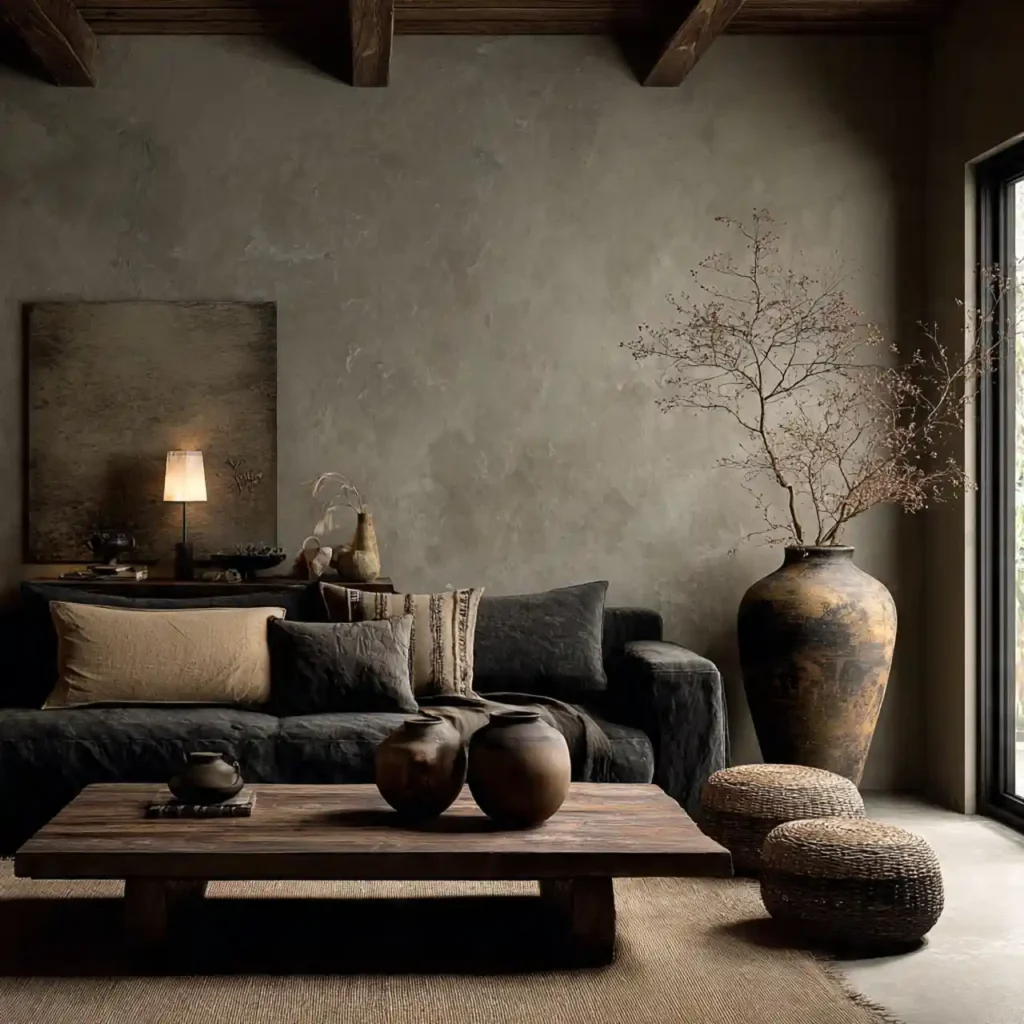
26. Natural Light as a Design Feature
Natural light highlights textures and imperfections. Keep window treatments minimal. Light enhances openness and warmth.
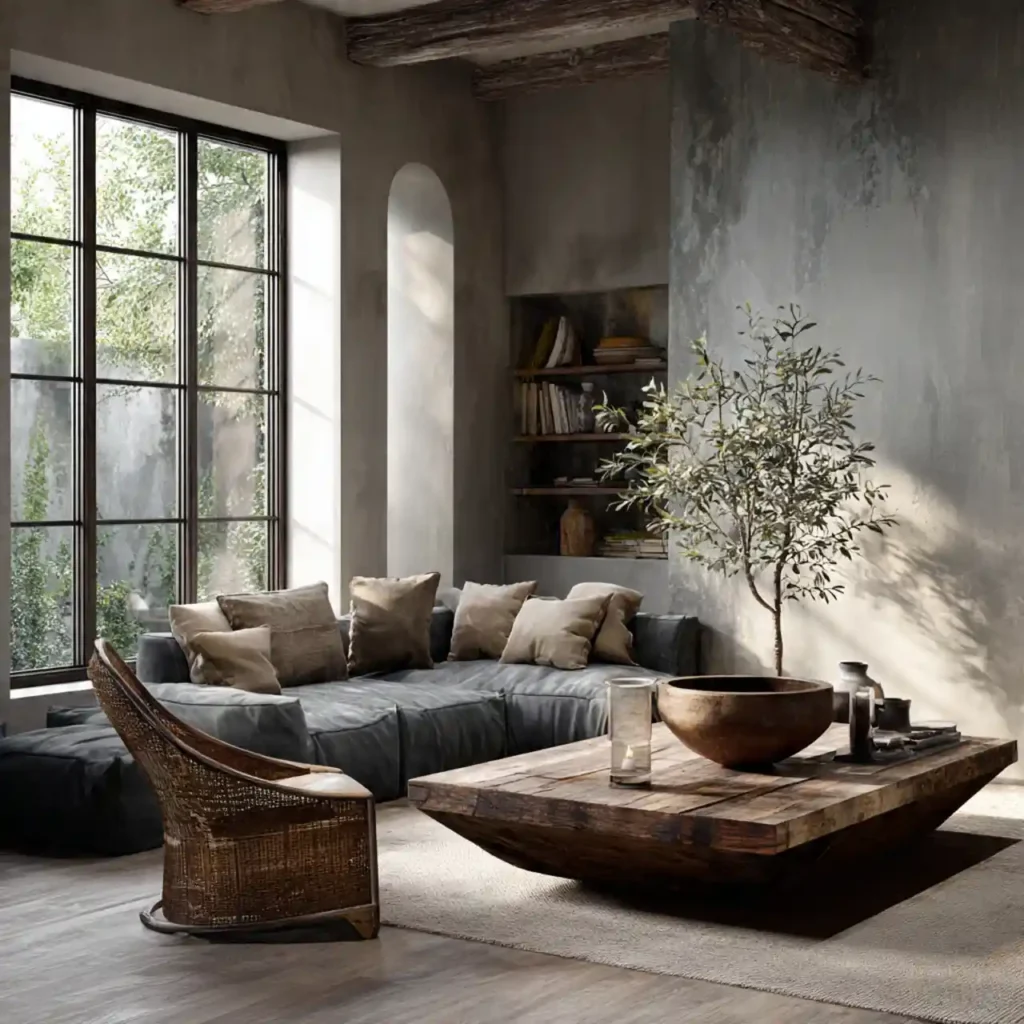
27. Handmade Wooden Decor
Hand-carved bowls or sculptures add soul. Their imperfections reflect craftsmanship. Display sparingly for impact.
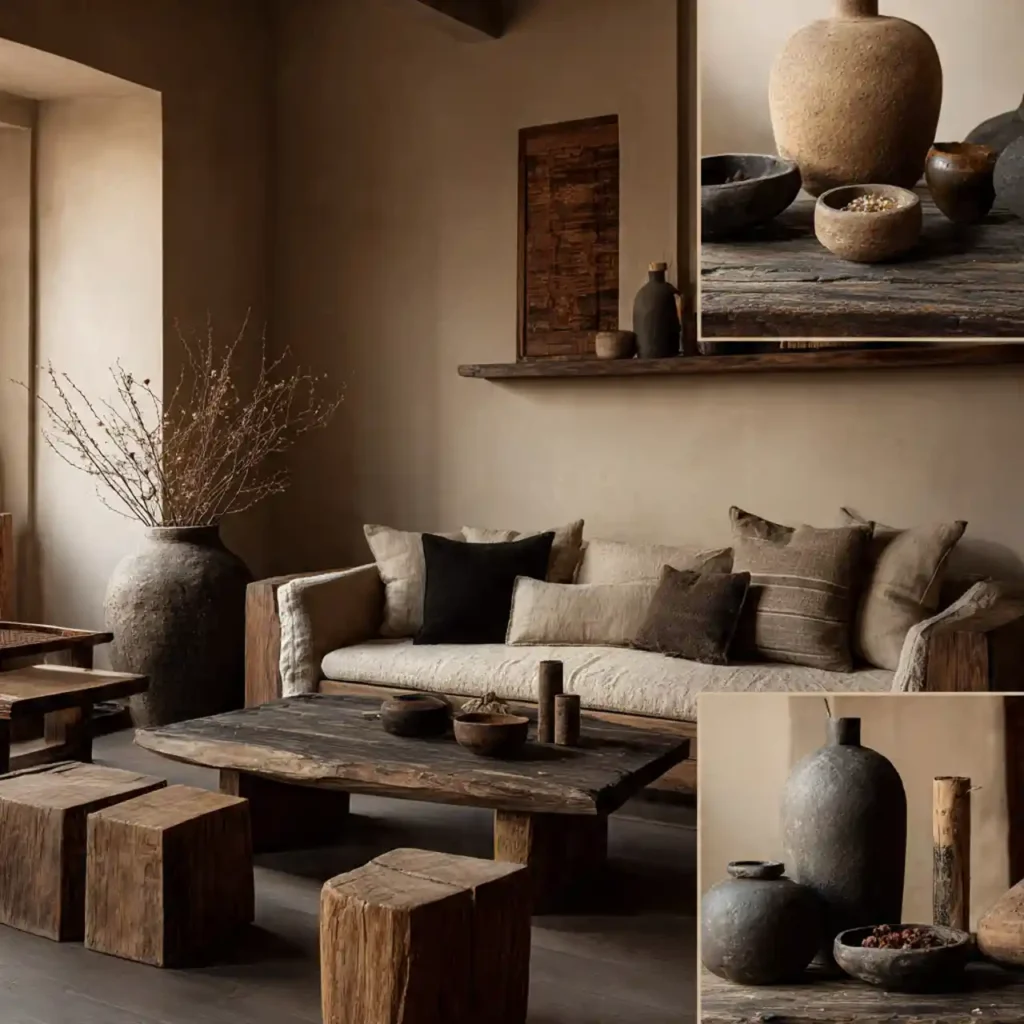
28. Simple Fireplace Design
A minimal fireplace adds warmth and focus. Use stone or plaster finishes. Keep surrounding decor understated.
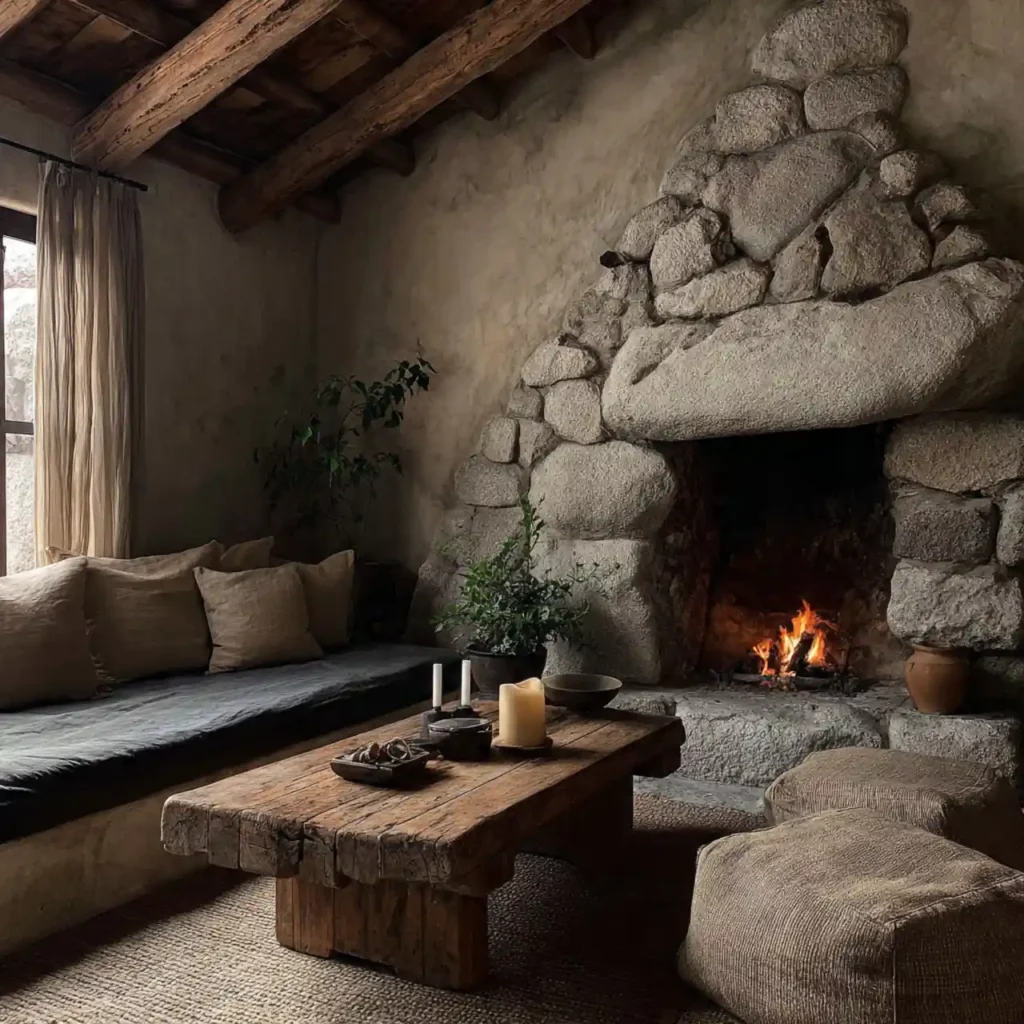
29. Timeless Neutral Flooring
Wood or stone floors ground the living room. Natural finishes age beautifully. Neutral tones ensure longevity.
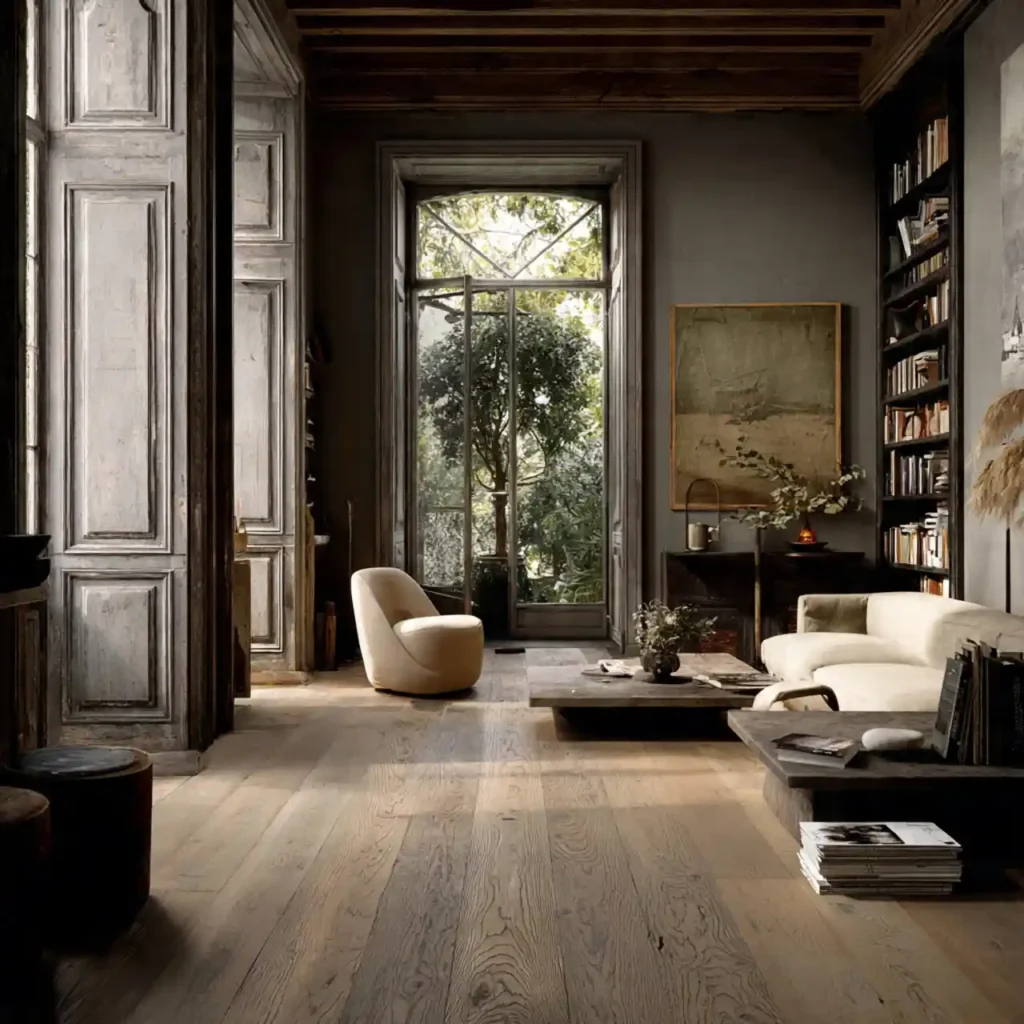
30. A Calm & Timeless Wabi-Sabi Living Room
A truly wabi-sabi living room feels lived-in and peaceful. Every piece serves a purpose. The result is a serene & timeless space rooted in authenticity.
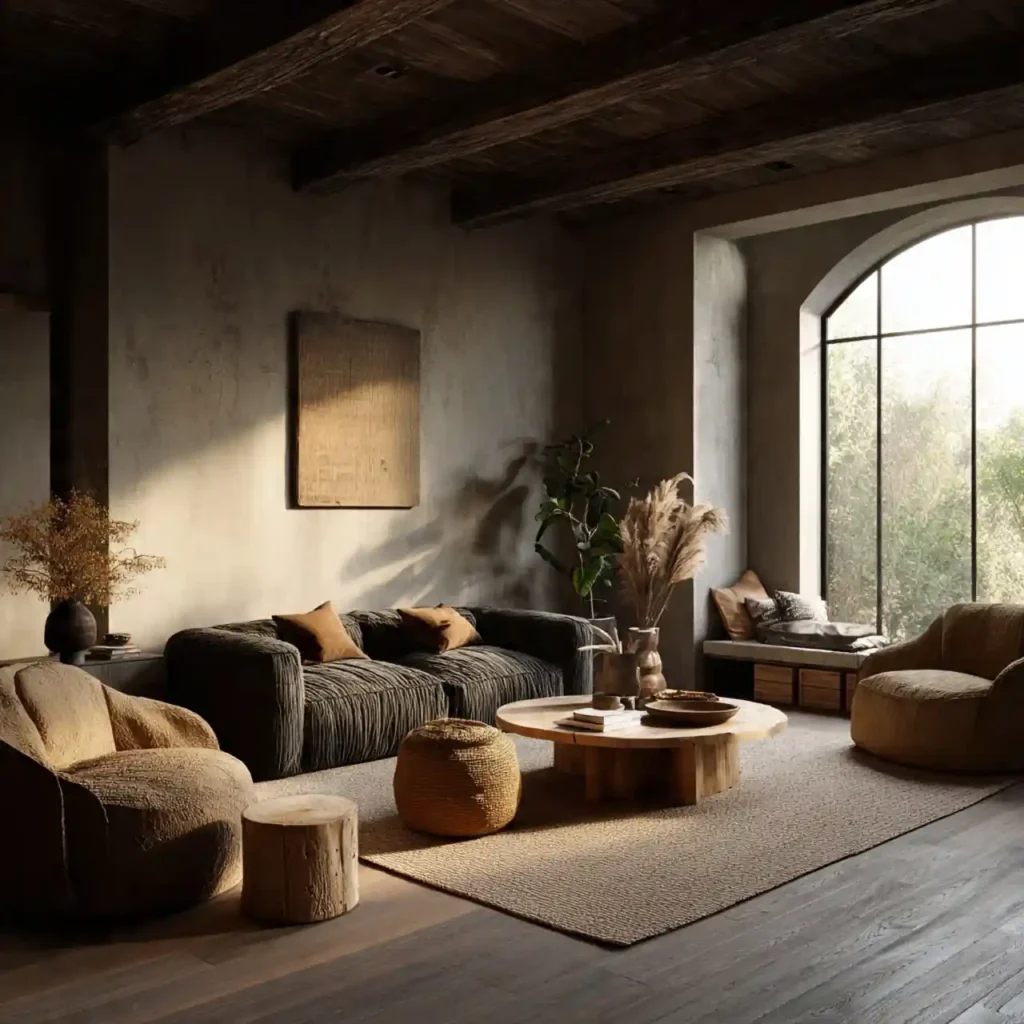
Final Thoughts: Wabi-Sabi Living Room Ideas
Wabi-sabi living room design offers a meaningful alternative to trend-driven interiors. By focusing on natural materials, earthy colors, and thoughtful simplicity, these spaces promote calm, comfort, and longevity. These 30 Wabi-Sabi Living Room Ideas provide lasting inspiration for creating an organic, serene, and timeless living room perfectly suited for modern living in 2026.